TECH CLEAN CALIFORNIA WIKI
California Residential Fuel Substitution Workforce Readiness Study
Group B Contract 17PS5017
September 27, 2024
This study is covered under CPUC Contract 17PS5017 between Opinion Dynamics and the California Public Utilities Commission (CPUC). This project was a collaborative effort under contract to the CPUC and we would like to thank the Commission Staff for guidance and input throughout project planning and execution.
Legal Notice
This report was prepared as an account of work sponsored by the CPUC. It does not necessarily represent the views of the CPUC or any of its employees except to the extent, if any, that it has formally been approved by the CPUC at a public meeting. For information regarding any such action, communicate directly with the CPUC at 505 Van Ness Avenue, San Francisco, California 94102. Neither the CPUC nor the State of California, nor any officer, employee, or any of its contractors or subcontractors makes any warrant, express or implied, or assumes any legal liability whatsoever for the contents of this document.
1. Executive Summary
The labor demands for decarbonizing 14 million homes and more than eight billion square feet of commercial building space in California are immense. This transition will involve clean energy trades, including Heating, Ventilation, and Air Conditioning (HVAC), plumbing, and electrical workers. Workforce shortages in these trades are already potentially problematic as a large proportion of workers in the clean energy trades are aging out of the workforce.[1],[2],[3] Meanwhile, Generation X workers, the generation below the boomers, are the smallest generation of American workers and, without new entrants to the trades from Millennials and subsequent generations, will not provide the numbers needed to fill the void left behind by those retiring. Finally, there is growing recognition that decarbonization goals will only be equitably met by increasing diverse representation in the workforce.[4] To meet California’s Greenhouse Gas (GHG) reduction goals, the state must have sufficient capacity to make the necessary number of residential improvements, not only through rebate programs but more broadly across the energy ecosystem.
Additional workforce education and training (WE&T) funding opportunities through the Inflation Reduction Act (IRA) and state and local initiatives provide an opportunity to create good-paying jobs and new economic opportunities for California workers. Numerous national, state, and local workshops, task forces, and committees have convened to discuss the need to both reskill current clean energy trades as well as attract new individuals into these important trades.[5] Still, little data analysis has been conducted to quantify the current state of the existing clean energy workforce and the gaps therein. Through this study, Opinion Dynamics (study team) provides critical analyses to understand the current state of workers in select clean energy trades in California. Specifically, this study focuses on plumbers, HVAC technicians, and electricians.[6] As the California Public Utilities Commission (CPUC) looks to phase out natural gas incentives for pieces of equipment (or “measures”) with an electric alternative with comparable labor and materials costs that serves the same end-use,[7] these analyses will be critical to understanding the WE&T efforts that will be required to support California’s decarbonization journey.[8] The objectives of this study are to:
1. Mine existing data to understand the population size, demographics, and geographic distribution characteristics for heat pump water heater (HPWH) installers, HVAC heat pump installers, and electricians.
2. Define the customer journey, from purchasing a HPWH or a HVAC heat pump to installing the heat pump, with or without electrician involvement.
3. Ascertain the average time customers are in each stage of the heat pump journey, and if prolonged delays exist, determine if those delays are due to workforce shortages.
4. Analyze patterns and trends in workforce data over both geography and time to understand the historical and current workforce for HVAC, plumbing, and electrical workers.
[1] Twenty percent of workers in skilled trades are over the age of 55, with fewer than 9 percent of workers aged 19–24 entering the trades. https://gvwire.com/2023/05/02/on-national-skilled-trades-day-americas-labor-shortage-looms/
[2] The average age of HVAC professionals is around 54 years old, so many HVAC technicians are expected to retire within the next decade. https://ntinow.edu/why-hvac-r-technicians-are-in-high-demand/
[3] About 73,500 openings for electricians are projected each year, on average, over the decade. Many of those openings are expected to result from the need to replace workers who transfer to different occupations or exit the labor force, including retirement. https://www.bls.gov/ooh/construction-and-extraction/electricians.htm#tab-6
[4] According to California State License Board data, in 2021, 19% of licensed electrical contractors (C10), 22% of licensed HVAC contractors (C-20), and 20% of licensed plumbing contractors (C36) had business addresses in Disadvantaged Communities (DACs). The definition of a DAC is a census tract that meets one of four criteria (for example, in the top 25% of overall scores in the CalEnviroScreen 4.0 scoring tool). www.calmac.org/publications/TECH_Baseline_Market_Assessment_Final_Report.pdf and https://calepa.ca.gov/wp-content/uploads/sites/6/2022/05/Updated-Disadvantaged-Communities-Designation-DAC-May-2022-Eng.a.hp_-1.pdf
[5] Examples of these workshops, task forces, and committees include the Advanced Water Heater Initiative (AWHI) Residential and Commercial Working Groups, American Society of Heating, Refrigerating and Air Conditional Engineers’ (ASHRAE) Training and Education Working Group, Pacific Northwest National Laboratory’s Workforce Development Core Committee, the Northeast Energy Efficiency Partnership (NEEP) Total Energy Pathways: Workforce project, and Midwest Energy Efficiency Alliance (MEEA) Workforce Committee.
[6] For workforce projections, the occupations used in the analysis were electricians, heating, air conditioning, and refrigeration mechanics and installers, and plumbers, pipefitters, and steamfitters. For analysis of licensed contractors, the business classifications used in the analysis were Electrical (C10), Warm Air Heating, Ventilation, Air Conditioning (C20), and Plumbing (C36).
[7] These alternatives are known as Viable Electric Alternatives (VEAs) and are defined in section 2.3 of Decision 23-04-035: https://docs.cpuc.ca.gov/PublishedDocs/Published/G000/M505/K808/505808197.PDF
[8] As used in this report, the term “fuel substitution” means changing one regulated fuel for another or is used as an umbrella term that encompasses fuel substitution and “fuel switching,” which is changing from an unregulated fuel to a regulated fuel. In certain cases, the study team specifies analysis of fuel switching, and notes as much in the body of the report.
1.1 Methods
Opinion Dynamics utilized the following three methods in this study: Literature review and secondary data review, customer journey mapping/heat pump customer survey, and mapping-based analysis across geography and through time (spatiotemporal analysis). The spatiotemporal analysis was completed at the regional level except where noted. Regions are defined as the metropolitan statistical area (MSA) or metropolitan division (MD) for urban and suburban areas and the county consortium for rural areas. This study examined 30 regions in California. The study team used this level of analysis because it aligns with the geographic unit at which employment data are tracked. These areas are small enough to detect differences across the state but large enough to create actionable policy recommendations. The study team recognizes that important demographic and housing differences, such as the incidence of disadvantaged communities, are defined at more granular levels in the underlying data.
1.2 Findings
In Section 1.2.1, we present findings on our customer journey mapping. In Section 1.2.2, we present findings on the geographic and demographic disposition of the clean energy trades as well as insights into gaps and opportunities for growth. Then, in Section 1.2.3, we draw conclusions from these findings and make recommendations that link observed barriers during the customer experience with heat pump installation, as well as issues related to workforce availability and training, to areas that need future support.
1.2.1 Customer Journey Findings
Customer journey maps visually represent the steps and interactions a customer goes through when engaging with a product, service, or brand. They enable us to understand the customer experience, including identifying pain points and areas of friction, such as long wait times. The players in the electrification customer journey are generally the customer, a contractor, sometimes an electrician, and sometimes the electric utility provider if service upgrades are required. (Three of the 73 HPWH respondents (4%) and one of the 72 space conditioning heat pump respondents (.01%) reported needing a service upgrade from the utility). Figure 1 displays the HVAC heat pump and HPWH replacement customer journey resulting from this study.
Additional Electrical Work More Common for HPWHs. Of the upgrades required to accommodate heat pump equipment, additional electrical work in the form of modifications or upgrades to wiring, outlets, or circuits was more common for HPWHs (48 of 73; 66%) than HVAC heat pumps ( 21 of 72; 29%) An electrical panel replacement, panel optimization, or the addition of a new subpanel was required for 17% (13 of 72) of HVAC heat pump installations and 27% (20 of 73) of HPWHs. The majority of these upgrades were completed by the same contractor business that performed the installation, with HVAC contractors completing the upgrades more often than HPWH contractors.
We found that HPWH companies are less likely to complete electrical upgrades than HVAC companies. Of the electrical work not performed by the installation company, HVAC heat pump customers hired the electrician themselves 100% of the time for both electrical panel upgrades and modifications to wiring, outlets, or circuits, while HPWH customers did so in most cases for both panel upgrades (64 out of 73; 88%) and electrical modifications (41 out of 73; 56%).
Figure 1. HVAC Heat Pump and HPWH Replacement Customer Journey Map
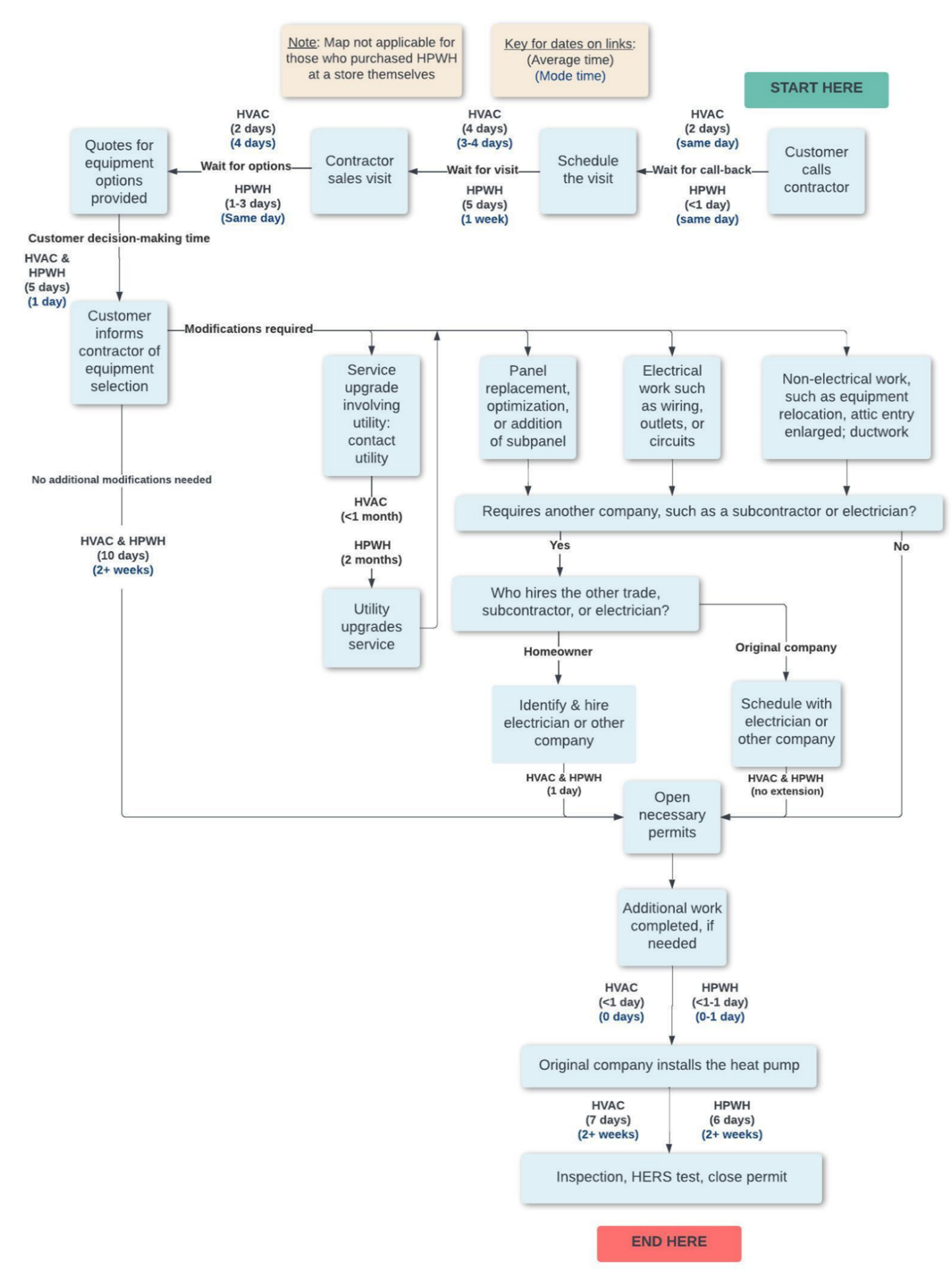
Average Project Timelines of Over One Month. Barriers differed somewhat between the HPWH and space conditioning heat pump installation processes and between planned replacements and replacements of malfunctioning equipment. HPWH customers with malfunctioning equipment commonly experienced less than a one-week project timeline, while the average time experienced was 32 days across all HPWH projects (from contacting a contractor to when the equipment was installed, not counting the time for inspection and/or HERS[9] testing after installation). The length of HPWH customer decision-making time was an average of 5 days (notably, customers with still functioning equipment were more likely to take only one day for selection than customers with a broken or failing system). It frequently took two or more weeks for an inspector or HERS rater to come out.
HVAC heat pump installations averaged 38 days from the beginning to when the equipment was installed, although malfunctioning equipment replacement projects were commonly completed in two weeks, and they were twice as likely as other customers to receive project quotes at the time of the sales visit. As with HPWH projects, it took some customers longer than others to select equipment, but in this case, the customers taking more time were those replacing currently functioning equipment. Most electrical upgrades did not cause delays, but when customers hired a separate electrician, that often extended the process. As with HPWH installs, it frequently took two or more weeks for a HERS rater or inspector to come out.
[9] HERS stands for Home Energy Rating System.
1.2.2 Workforce Findings
The study team conducted a spatiotemporal distribution analysis to assess geographic and temporal trends in California’s fuel substitution workforce. The team focused this analysis on electricians, HVAC technicians, and plumbers as a proxy for the subset of the overall workforce most likely to install heat pumps and perform necessary ancillary updates to facilitate those installations. For this analysis, the study team considered the current workforce, recent workforce trends, and long-term workforce projections in each region of California. We analyzed workforce trends alongside contextual data regarding the likely demand for fuel substitution services, the local supports available to the workforce, and workforce and population factors that require additional attention and assistance. Fuel substitution demand drivers, areas of opportunity, workforce supports, and enablers all have important implications for supply and demand. Their relative presence or lack thereof in a given region, combined with the state of the workforce, can help identify areas of particular concern and resulting policy interventions.
Contractors Are Not Often Cross-Licensed Across Trades Studied. There are 150,990 workers in California who fall into the Bureau of Labor Statistics (BLS) categories selected for this analysis (electricians, heating, air conditioning, and refrigeration mechanics and installers, and plumbers, pipefitters, and steamfitters). Both the workforce and number of licensed contractors are largest for electricians (72,880 employees), followed by plumbers (42,480 employees). As of 2023, most contractors (92%) were licensed in just one of the three trades we considered. Among the 8% of contractors licensed in more than one trade, the most common combination was HVAC and plumbing (35% of those licensed in more than one trade and 3% overall). Seventeen percent of the contractors licensed in more than one trade are licensed as an electrician, HVAC, and plumber, but this represents only 1% of all contractors studied.
High Variability in Workforce Growth Across Regions and Trades. Bureau of Labor Statistics data[10] suggest that portions of the fuel substitution workforce are growing while others are declining. There was a 10% increase in electrical and a 29% increase in HVAC employees reported statewide between 2018 and 2023, but a 12% decrease in plumbing employees in the same timeframe.
For all trades, there is regional variation in the change in the workforce over time. More than half of regions experienced moderate growth in the number of employees per trade between 2018 and 2023, with 70% experiencing such growth in the HVAC professions. However, about one-third of regions saw more than a five percent decrease in the number of plumbers between 2018 and 2023.
The regional trends in employee growth or decline differ by trade. The regions experiencing the most significant change in employees between 2018 and 2023 are identified in Table 1.
[10] The BLS cautions that the Occupational Employment and Wage Statistics (OEWS) dataset has limitations when used to make comparisons over time due to changes in occupational and geographic classifications as well as underlying OEWS data collection processes and calculation methodologies. Given the lack of alternate comprehensive data sources the study team elected to use the BLS data, but we encourage caution in interpreting the historical analysis of employment trends.
[10] The BLS cautions that the Occupational Employment and Wage Statistics (OEWS) dataset has limitations when used to make comparisons over time due to changes in occupational and geographic classifications as well as underlying OEWS data collection processes and calculation methodologies. Given the lack of alternate comprehensive data sources the study team elected to use the BLS data, but we encourage caution in interpreting the historical analysis of employment trends.
Table 1. Regions Experiencing Most Significant Change in HVAC, Plumbing, and Electrification Employees

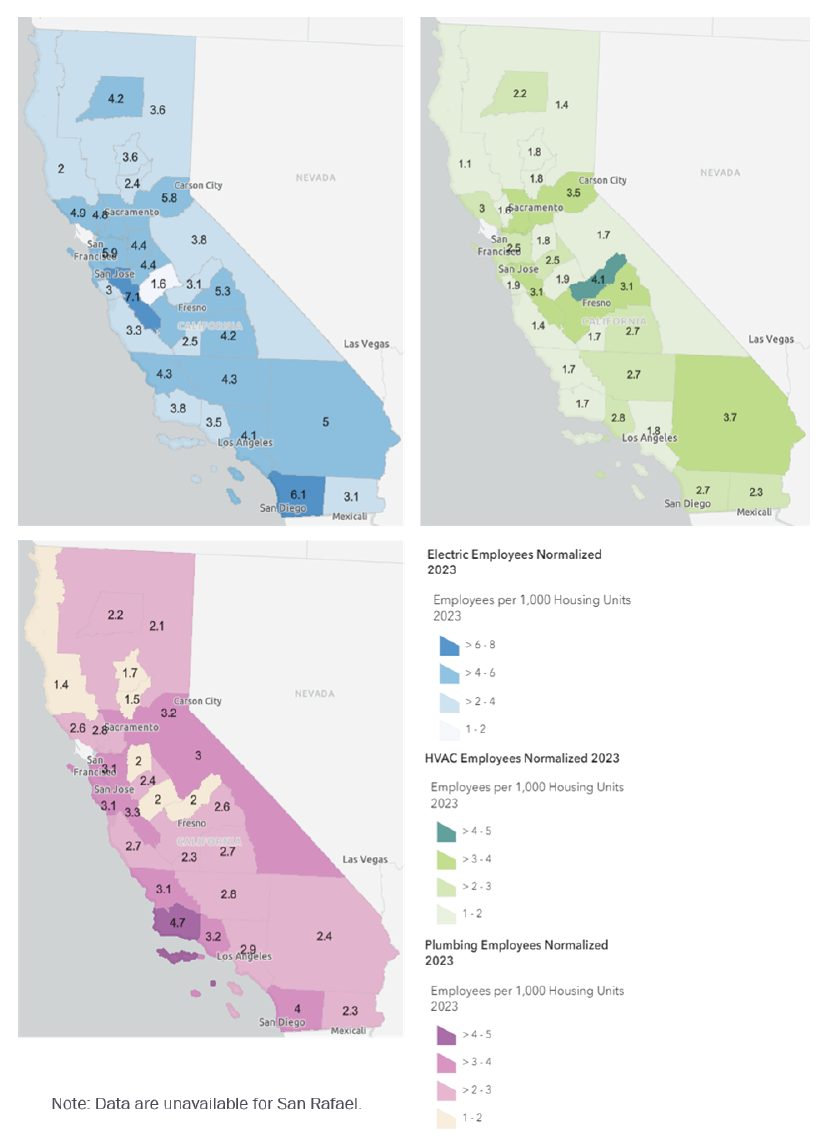
There Are Proportionally Fewer Contractors in Disadvantaged Communities. In general, the greatest concentration of employees in the trades is in urban regions, and fewer employees are in rural regions, with suburban regions falling in the middle. This trend is consistent across all three trades. Normalizing (or adjusting the data to a common scale) the number of employees by the total housing units in each region facilitates the comparison of regions with different levels of population density. Most regions have three to five electricians per 1,000 housing units and three or fewer HVAC technicians or plumbers per 1,000 housing units. (See Figure 2)
As for demographic data and the distribution of the workforce across Disadvantaged Communities (DACs), state licensing board data do not contain information on status as a minority- or veteran-owned business. Still, we can infer demographics by cross-referencing contractor geographic distribution and disadvantaged communities. According to California State License Board data, in 2021, 19% of licensed electrical contractors (C10), 22% of licensed HVAC contractors (C-20), and 20% of licensed plumbing contractors (C36) had business addresses in DACs. On average, DACs have fewer contractors than non-DACs both before and after controlling for population density. The California Environmental Protection Agency has found certain associations between more impacted census tracts and ethnicities other than White.[11]
While there is no available data on the “disadvantaged” status of individual workers in these trades, we can use data on contractor location to infer the access to employment in the trades among workers who reside in disadvantaged areas. This approach assumes that contractors are more likely to employ workers from the surrounding neighborhoods than workers who live outside the immediate community. Our analysis shows that while there is a lot of variation, controlling for differences in population, on average DACs have about 28% fewer licensed contractors located within the community across the electrical (C10), HVAC (C20), and plumbing (C36) trades compared to Census tracts not designated as DACs. This relatively lower access to opportunities in the trades within DACs suggests that disadvantaged workers could be underrepresented in these trades. However, this research question would benefit from the collection and analysis of more granular data than is currently available.
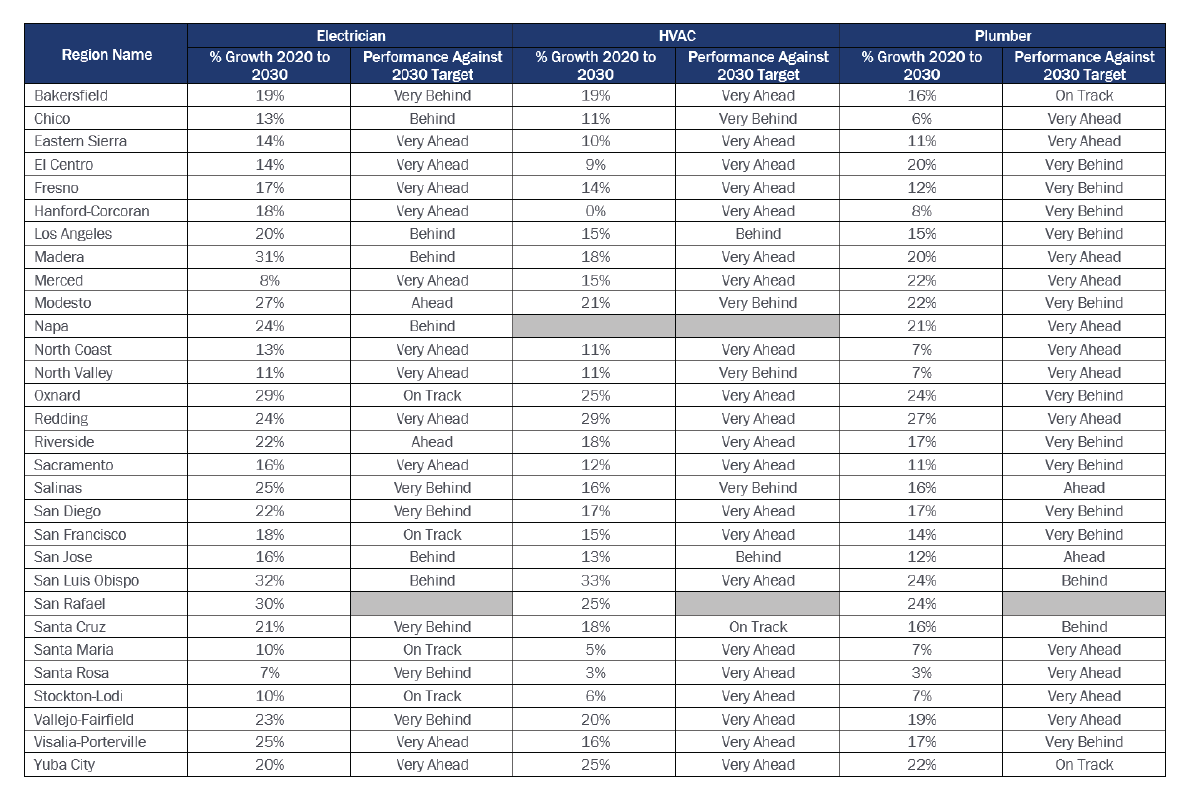
Regions Are Tracking to HVAC Employment Projections Better than Electrician or Plumbing. The California Employment Development Department’s long-term employment projections show that between 2020 and 2030, California is projected to grow the electrician workforce by 20%, HVAC by 16%, and plumbing by 15%. Growth is projected to be to be greatest across trades primarily in central and southern California. There is substantial variation between regions, but the trade-level trends are consistent—meaning that the same regions will need to grow their fuel substitution workforce across all trades. Based on recent historical trends, most regions are on track or better to meet their HVAC workforce projections, while about half are struggling to make sufficient progress toward electrician and plumbing targets for 2030. The study team analyzed the average annual rate of growth or decline in employees in each trade and region and assessed the pace of progress for each region toward its 2030 employment target, assuming the continuation of recent trends.
[11] https://storymaps.arcgis.com/stories/f555670d30a942e4b46b18293e2795a7
Figure 2. Employees Per 1,000 Housing Units by Trade and Region in 2023
Fuel Substitution Demand Drivers: Regions with more demand drivers will likely require a greater workforce in the short term.
Factors: Median home value, primary heating fuel, age of housing stock, clean energy investments.
Workforce Supports and Enablers: In high-scoring regions, we expect the workforce to be better positioned to meet the demand for fuel substitution services and support the transition than in regions where such enablers are less prevalent.
Factors: Population entering the workforce, training and certifications, union support, engagement with utility energy efficiency programs.
Areas of Opportunity: These regions need extra support to achieve sufficient and equitable fuel substitution.
Factors: Population exiting the workforce, primary heating fuel, disadvantaged and other vulnerable communities.
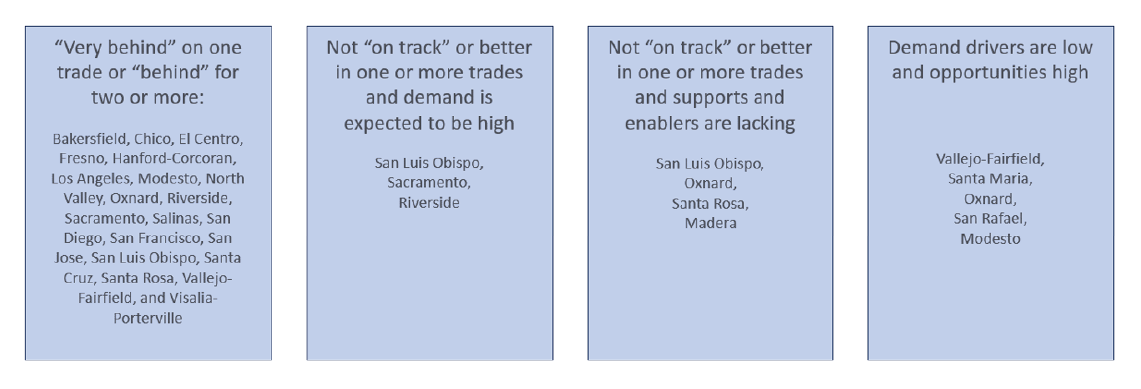
Analysis Highlights Needs Across Several Regions. Taken together: Our analysis (summarized below and listed in Figure 3) highlights several regions that would benefit from particular attention to ensure the workforce is sufficient and ready to support fuel substitution.
Twenty regions are “very behind” in achieving the projected workforce levels for one trade or are “behind” for two or more trades, regardless of other factors. Based on recent historical trends, the following regions are unlikely to achieve a sufficient workforce across key trades to support fuel substitution: Bakersfield, Chico, El Centro, Fresno, Hanford-Corcoran, Los Angeles, Modesto, North Valley, Oxnard, Riverside, Sacramento, Salinas, San Diego, San Francisco, San Jose, San Luis Obispo, Santa Cruz, Santa Rosa, Vallejo-Fairfield, and Visalia-Porterville.
Only about one in four (23%) regions are on track or better when it comes to meeting their 2030 employment projections across all trades. Several of the regions that are behind in one or more trades are also expected to have high natural market demand for fuel substitution in the near future, especially San Luis Obispo, Sacramento, and Riverside.
Among regions that are behind in achieving the workforce that is projected to be required across all three trades, several also have limited workforce supports and enablers including San Luis Obispo, Oxnard, Santa Rosa, and Madera. These regions would benefit from additional interventions.
Several regions are expected to have low natural demand for fuel substitution over the coming years. They also have risk factors that will make the fuel substitution transition challenging, including achieving a sufficient workforce. These regions require special attention. They include Vallejo-Fairfield, Santa Maria, Oxnard, San Rafael, and Modesto.
Figure 3. Results of Regional Analysis
1.2.3 Conclusions and Recommendations
California must more than triple its current installation pace and achieve 750,000 installations per year to achieve its goal of installing six million heat pumps by 2030.[13] Many dynamics must align in order to create this reality; data gathered through the TECH program should help ascertain the state’s progress towards market transformation in terms of cost parity with fossil fuel alternatives, while this report sheds light on the current disposition of the state’s workforce. Assuming that the 750,000 installations per year needed to achieve the six million heat pump goal will be a mix of space- and water-heating heat pumps, we can calculate a few data points for context. In 2023, there were a combined 34,092 HVAC and plumbing contractor businesses in the state of California. For the current workforce to achieve 750,000 installs per year, every single contractor would need to install, on average, 22 heat pumps per year. Those installs are in addition to any repair calls and other non-heat pump installation jobs. If 2024 doubles the historical pace of heat pump installation and achieves 400,000 installs, that means that the remaining years to 2030 each need to see 820,000 installs per year, or on average, 24 heat pump installs per year for every single plumbing and HVAC contractor. For every year that the pace of installations lags behind the required rate, the number of installations per business increases unless there is a significant increase in contractor businesses.
In our February 2024 TECH Clean California Time 1 Market Assessment Final Report (“2024 TECH Report” or “Report”),[14] Opinion Dynamics made several findings regarding contractor and homeowner perspectives and experiences with the heat pump market in California that help inform conclusions and recommendations here, as referenced below. Meanwhile, a key conclusion from this study has been that workforce demand, drivers, and opportunities are geographically varied and that even a regional-level analysis obscures more geographically granular trends. Yet, we can still draw inferences from the data. Observations, conclusions, and recommendations are as follows:
Conclusion: We see a geographic disparity in the number of HVAC employees per contractor, and the 2024 TECH Report found that, of businesses that were not sole proprietorships, larger (annual revenue of $3 million or more) HVAC contractors are hiring at least six installers annually while nearly half of contractors with lower revenue (of less than $250,000 annually) hire zero.[14] From this, we assume that the relative dearth of employees in northern and eastern California and the relative abundance of employees in the Bay Area and central California may continue a self-reinforcing pattern that widens regional disparity absent intentional intervention. Northern and Eastern California Regions also tend to have higher proportions of contractor businesses that are sole proprietorships, which may further exacerbate the pattern. Notably, while still evident, this hiring dynamic was not found to be as pronounced within the HPWH market. While these patterns may track with population, the gap still exists for electric and HVAC employees (although not plumbers) when accounting for the number of employees per 1,000 households. An equitable transition to heat pumps requires a robust workforce sufficient to meet the adoption potential of every region.
Recommendation: In the short term, a solution to address this regional disparity in workforce availability may be to enable contractors from regions with more fully developed workforce to earn a premium by doing work in less-developed areas during the relatively slower shoulder seasons between the notoriously busy heating and cooling seasons. This may be an especially appealing prospect for contractors from the Bay Area and Sacramento area to travel to Northern California, where there is presumably a better business case for fuel switching due to a higher predominance of households heating with delivered fuels as well as more heating demand due to the number of heating degree days in California’s northern regions.[15] This is a short-term recommendation, with a longer-term objective of developing the local workforce. If daily travel between regions is overly burdensome, stakeholders may look to the example of utility storm recovery work, where crews travel for an extended period of time to affected areas. In this case, for heat pump workforce development, the contractor crew would receive support to spend a month during a shoulder season in Northern California, both doing installs and training the local workforce via a shadowing program on those installs. This model may be optimized by pairing targeted technical assistance for small business establishments to enable Northern California contractors to get up and running. We recommend the Investor Owned Utilities consider this as a potential program moving forward, especially where pockets of robust workforce numbers and pockets of sparce representation exist within the same service territory.
Conclusion: The study team observed a longer delay in decision-making by customers converting to an HPWH upon malfunction of their existing equipment. No customers were performing a like-for-like replacement, meaning no surveyed customers previously had a HPWH. The study team hypothesizes that the fact that more customers with functioning water heaters than those with failing or broken equipment made an equipment decision in just one day may be due to a high proportion of “early adopters” and customers who otherwise already knew they wanted an HPWH and, therefore, did not require much time to consider their options. Conversely, customers with malfunctioning equipment may not have already been aware of HPWH technology and may have required time to consider switching to heat pump technology.[16]
Recommendation: Utilities may benefit from providing plumbers with customer sales tools such as case studies, customer testimonials and directing them to the Switch Is On website[17] to more quickly guide customers through the fuel substitution or fuel switching process as the water heating market moves beyond early adopters, which it must do to achieve California’s climate goals.
Conclusion: We found that one of the consistently longest steps reported in HVAC heat pump and HPWH replacements was the wait for an inspector or HERS rater to review the project. This may indicate a workforce shortage but does not fall into the trades analyzed in this study.
Recommendation: Given the observed delay in project inspection and HERS rater availability in this study, regions that are “on track” or better in achieving the required workforce across the trades included in this study and that have an anticipated high demand for heat pumps may be well-served by California Home Energy Efficiency Rating Services (CHEERS)[18] focusing on increasing training and certification opportunities for HERS raters in these regions.
Conclusion: Madera features a mix of attributes that make workforce development opportunities compelling. Specifically, we observe a relatively high proportion of homes that heat with oil or propane, a relatively high proportion of homes built between 2000 and 2009, a moderately high proportion of the population of 15 to 24 years old, relatively low HVAC apprenticeship numbers, and only moderate participation in utility energy efficiency programs. Madera may be a prime location for a concentrated workforce development effort. With so much of the population about to enter or newly entered the workforce and theoretically a high proportion of homes that are at or nearing the end of life for their mechanical equipment, at least a proportion of which is likely to currently be served by delivered fuels, the conditions are favorable for an expansion of the electrification workforce. However, current apprenticeship numbers indicate that additional support may be required to facilitate this shift.
Recommendation: Records show that Madera County issued 6,826 single-family building permits in the years 2003 to 2009. In 2003, the total stock of single-family housing units was 21,905, meaning that in those years, the County increased single-family housing unit stock by a significant percentage per year. Meanwhile, the Madera County 2016-2024 Housing Element Update names several (as of that time) planned subdivisions alongside mentions of previously established subdivisions.[19] Given that subdivisions tend to be developed rapidly and with similar mechanical systems, if subdivisions of the appropriate vintage exist, they may be facing a large-scale need to replace HVAC and water heating systems. Our recommendation is to support community-level electrification of subdivisions where optimal preconditions exist and to scaffold an apprenticeship program or other training program around such community-level targeting. If successful, this model may serve as a template for other counties and regions facing similar dynamics. Given the fact that Madera County sits within PG&E territory and PG&E has a zonal electrification goal within its 2022 Climate Strategy Report,[20] we recommend that PG&E collaborate with County officials and review the feasibility of this approach. While not explicitly a non-pipes-alternative recommendation and therefore likely not eligible (without modification) for PG&E’s Zonal Electrification Pilot,[21] our recommendation for community-level electrification of subdivisions may have the effect of accelerating a community’s departure from reliance on a natural gas line. Based upon the study team’s understanding of PG&E’s zonal electrification efforts, this recommendation differs in that targeting relies on information about natural cycles of gas equipment retirement on the customer side of the meter versus geographic filtering based instead upon anticipated gas line replacement or repair needs (amongst a number of other factors).[22] This recommendation aligns well with existing CPUC building decarbonization actions, and PG&E may begin coordination by sharing its internal Geospatial Electrification Tool under NDA with Madera County officials.[23] Several other regions have a permutation of characteristics that may also lend themselves to intervention of this type. For instance, North Valley has a relatively high proportion of oil or propane heating, relatively low electric and plumbing apprenticeship numbers, and relatively low participation in energy efficiency programs. North Coast also has a relatively high proportion of oil or propane home heating as well as relatively low electric and HVAC apprenticeship numbers and relatively low participation in energy efficiency programs. While the region of Madera has 24 percent of building stock built between 2000 and 2009, North Valley has 13 percent and North Coast has 12 percent. Cross-referencing counties within these regions against data on subdivision approvals may surface areas of opportunity for community-level electrification.[24]
[12] https://heatpumppartnership.org/blog/new-public-private-partnership-forms-to-accelerate-heat-pump-adoption-in-california/ and https://www.energy.ca.gov/news/2023-10/top-global-building-appliance-manufacturers-and-distributors-commit-help
[13] https://www.calmac.org/publications/TECH_Time_1_Market_Assessment_Final_Report_4.22.24.pdf
[14] In the 2024 TECH Report, we did not ask about departures to calculate a net gain.
[15]https://www.calmac.org/%5C%5C/publications/Residential_Exterior_Window_Shading_Research_Report_10102022.pdf Appendix B.
[16] Since this study surveyed only customers who ultimately installed heat pump equipment, our findings do not represent customers who replaced their fossil-fuel equipment with a non-heat pump unit. Recent findings indicate that conversions to HPWH equipment are far outweighed by like-for-like non-heat pump water heating equipment. https://calnext.com/wp-content/uploads/2024/07/ET23SWE0020_Emergency-Replacement-HPWH-Market-Study_Final-Report.pdf
[17] https://switchison.org/
[18] With the notification of CalCERTS of its intention to cease operations, CHEERS remains the single data registry in California. https://www.energy.ca.gov/programs-and-topics/programs/home-energy-rating-system-hers-program/home-energy-rating-system
[19] https://plansearch.caes.ucdavis.edu/static/data/pdfoutput/2024-07-11_CA_county-Madera_2015_ERKK0FK84U.pdf
[20] https://www.pge.com/content/dam/pge/docs/about/pge-systems/PGE-Climate-Strategy-Report.pdf
[21] https://rmi.org/wp-content/uploads/2024/06/24.06.17-NPA-webinar.pdf pgs. 13-18
[22] https://gridworks.org/2022/08/selecting-gas-decommissioning-pilot-locations/
[23] https://www.cpuc.ca.gov/buildingdecarb/
[24] One such resource may be https://www.dre.ca.gov/Developers/NewSubFilingList.html
2. Introduction and Study Overview
The California Public Utilities Commission (CPUC) Energy Division contracted with Opinion Dynamics to conduct a study designed to provide critical analyses to understand the current state of workers in the clean energy trades in California. California is at a critical juncture where workforce, education, and training (WE&T) will play a pivotal role in decarbonizing the energy sector while at the same time ensuring a diverse workforce. Achieving California’s building decarbonization goals requires that the incumbent workforce learn about new technologies and continue to advance their knowledge, skills, and abilities to keep pace with technological innovation. The entering workforce also must be trained to take on the complex and innovative jobs associated with the new clean energy economy. This necessitates retraining existing educators, retooling existing curricula, and purchasing new equipment for existing lab spaces. Without critical, effective, and innovative WE&T programs, and the appropriate policy support systems in place, our ability to quickly meet climate goals will be thwarted.
The labor demands for decarbonizing 14 million homes and more than eight billion square feet of commercial building space in California are immense. This transition will involve clean energy trades including Heating, Ventilation, and Air Conditioning (HVAC), plumbing, and electrical workers. Workforce shortages in these trades are already potentially problematic as a large proportion of workers in the clean energy trades are aging out of the workforce.[25,26,27] Meanwhile, Generation X workers, the generation below the boomers, are the smallest generation of American workers and, without new entrants to the trades from Millennials and subsequent generations, may not provide the numbers needed to fill the void left behind by those retiring. Finally, there is growing recognition that decarbonization goals will only be equitably met by increasing diverse representation in the workforce.[28] It is imperative that California has sufficient capacity to make residential improvements that must occur, not only through rebate programs but more broadly across the energy ecosystem, to meet California’s ambitious Greenhouse Gas (GHG) reduction goals.
- Additional WE&T funding opportunities through the Inflation Reduction Act (IRA) and state and local initiatives provide an opportunity to create good-paying jobs and new economic opportunities for California workers. IRA funding will likely supercharge these efforts in the near term through formula funding and, potentially, competitive funding via the DOE’s Training for Residential Energy Contractors Grants (TREC). The Bipartisan Infrastructure Law will provide additional grant funding for energy auditor training, career skills training, and building training and assessment centers. However, to make the most of this moment, it will likely be incumbent upon state and local stakeholders to institute durable plans for continued workforce development.[29] Numerous national, state, and local workshops, task forces, and committees have convened to discuss the need to both reskill current clean energy trades as well as attract new individuals into these important trades. As the California Public Utilities Commission (CPUC) looks to phase out natural gas incentives for measures that have a Viable Electric Alternative (VEA), these analyses will be critical to understanding the WE&T efforts that will be required to support California’s decarbonization journey. The objectives of this study are to: Mine existing data to understand the workforce landscape for heat pump water heater (HPWH) installers, HVAC heat pump installers, and electricians.
- Define the customer journey, from purchasing a HPWH or a space conditioning heat pump to installing the heat pump, with or without electrician involvement.
- Ascertain the average time customers are in each stage of the heat pump journey, and if prolonged delays exist, determine if those delays are due to workforce shortages.
- Analyze patterns and trends in workforce data over both space and time to understand the historical and current workforce for HVAC, plumbing, and electrical workers.
[25] Twenty percent of workers in skilled trades are over the age of 55, with fewer than 9 percent of workers aged 19-24 entering the trades. gvwire.com/2023/05/02/on-national-skilled-trades-day-americas-labor-shortage-looms/
[26] The average age of HVAC professionals is around 54 years old, so many HVAC technicians are expected to retire within the next decade. https://ntinow.edu/why-hvac-r-technicians-are-in-high-demand/
[27] About 73,500 openings for electricians are projected each year, on average, over the decade. Many of those openings are expected to result from the need to replace workers who transfer to different occupations or exit the labor force, such as to retire. https://www.bls.gov/ooh/construction-and-extraction/electricians.htm#tab-6
[28] According to California State License Board data, in 2021, 19% of licensed electrical contractors (C10), 22% of licensed HVAC contractors (C-20), and 20% of licensed plumbing contractors (C36) had business addresses in Disadvantaged Communities (DACs). The definition of a DAC is a census tract in the top 25% of census tracts most burdened by pollution per the CalEnviroScreen 4.0 scoring tool. www.calmac.org/publications/TECH_Baseline_Market_Assessment_Final_Report.pdf
[29] While we cannot, in this study, conclusively determine the amount of funding necessary to transform the market, the duration of IRA funding will largely depend on the speed of uptake and the final structure of California’s formula and/or competitive TREC program efforts.
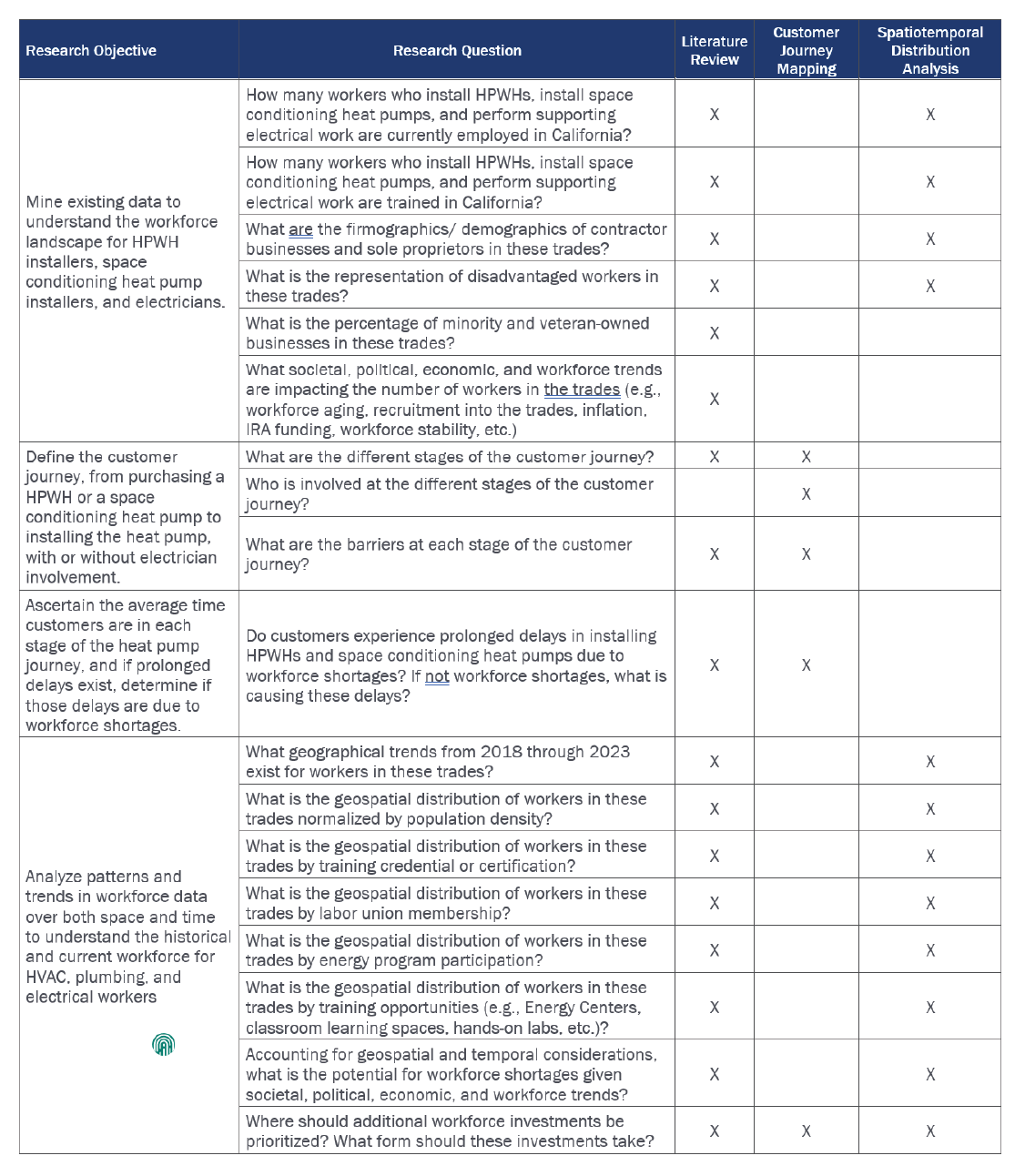
The research questions this study addresses and the methods utilized are codified in Table 2.
Table 3. Survey Respondents by Sector (Multiple Responses Allowed; n=229)
3. Study Process and Methodology
The study team pursued simultaneous work streams for this study; beginning with a literature review of secondary data sources that would inform the spatiotemporal analysis concurrently with the development of a customer journey map and survey design. The process and the methodology for each element are described below.
3.1 Literature Review
The literature review for this study encompassed a broad search for sources of information on the composition, volume, and location of the current clean energy workforce in California. The study team reviewed sources of information at the national and state levels and additionally considered information pertaining to other states that could be extrapolated to the California context. Sources such as the contractor state license board (CSLB) public data portal provided authoritative and comprehensive information relevant to our study. We found that many other sources, while interesting, were not comprehensive enough to use as inputs into our spatiotemporal analysis, so they were instead used as background information and provided context to guide our study. For instance, certain state department websites contained information that was not current or specific enough to use as inputs into our GIS-based analysis, and other sources on workforce training resources provided only a partial snapshot of offerings statewide and proved difficult to standardize for analysis. A full overview of data sources used by the study team can be found in Section 6 below.
3.2 Customer Journey Mapping
The study team fielded a survey of Californians who had a space-conditioning or water heating heat pump installed in the past year that was incentivized through a program[30]. The survey sought to understand the stages in the customer journey, estimate the duration of each stage, and understand what challenges customers experience with identifying and hiring contractors. Specifically, the study had the following objectives:
- What are the different stages of the customer journey?
- Who is involved at the different stages of the customer journey?
- What are the barriers at each stage of the customer journey?
- Do customers experience prolonged delays in installing water heating and space-conditioning heat pumps due to workforce shortages? If not workforce shortages, what is causing these delays?
This study element consisted of two main components: a residential customer journey map, and a survey used to validate and refine that map. We began the process of mapping the residential customer journey by developing a draft map of a typical customer journey for a market-rate customer. After receiving feedback from the CPUC on this draft map, we finalized the draft maps and developed a survey to verify the map.
The study team fielded the survey in May of 2024 and offered customers a $15 e-gift card as a thank-you for their time. We invited 1,280 customers to complete the survey via an email invitation and sent up to two email reminders. We received 145 total survey completes, 72 from customers who installed a space-conditioning (HVAC) heat pump and 73 from customers who installed a water-heating heat pump (HPWH). Overall, the survey achieved a 13% response rate; 12% for HVAC customers and 13% for HPWH customers.
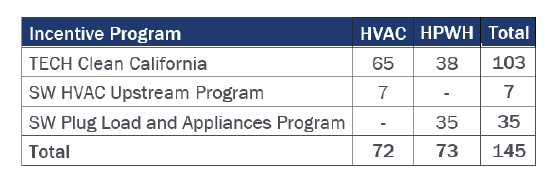
Most surveyed customers (121 of 145; 83%) had their heat pump equipment installed between April 2023 and December 2023, although a small proportion (24 of 145; 17%) installed their heat pump in 2024 between January and March. The majority of surveyed customers received an incentive from TECH Clean California for their heat pump (Table 3). Aside from TECH, a few HVAC customers (7 of 72; 10%) participated in the Statewide (SW) Upstream Program. Nearly half of HPWH customers (35 of 73; 48%) participated in the SW Plug Load and Appliances Program for their installation.
[30] Specifically: TECH Clean California, the Statewide HVAC Upstream Program, and the Statewide Plug Load and Appliances Program
Table 3. Customer Incentive Programs by Equipment Type
Pacific Gas and Electric (PG&E) provided gas service to over half (79 of 145; 54%) of surveyed customers, while nearly another third (43 of 145; 30%) received service from San Diego Gas and Electric (SDG&E) (Table 4). The remaining customers (23 of 145; 16%) received gas service through Southern California Gas Company (SoCalGas). Notably, HVAC customers (19 of 72; 26%) were more likely than HPWH customers (4 of 73; 5%) to receive gas service through SoCalGas, while HPWH respondents were more likely to get their gas service from SDG&E (35 of 73; 48% vs. 8 of 72; 11%).
Table 4. Gas IOU Provider by Heat Pump Type

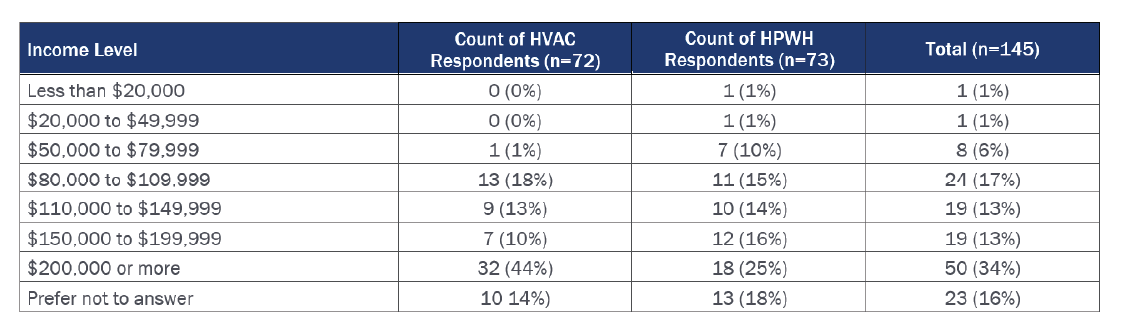
Our sample consisted primarily of customers with moderate to high annual household incomes. Overall, most respondents (69 of 145; 48%) reported a 2023 household income of at least $150,000 (Table 5). Over one-third (50 of 145; 34%) had an income of more than $200,000, although surveyed HVAC customers (32 of 72; 44%) were more likely to report an income of $200,000 or more than HPWH customers (18 of 73; 25%). Less than a quarter of total respondents (34 of 145; 23%) reported an annual household income of less than $110,000. Sixteen percent (23 of 145) of respondents reported they preferred not to share this information.
Table 5. Annual 2023 Household Income by Heat Pump Type
3.3 Spatiotemporal Analysis
This section provides a high-level overview of the Spatiotemporal Analysis methodology and process. A detailed explanation of this process and data sources follows in the Appendix (Section 6). The study team conducted a spatiotemporal distribution analysis to assess geographic and temporal trends in California’s fuel substitution workforce. The team focused this analysis on electricians, HVAC technicians, and plumbers as a proxy for the subset of the overall workforce most likely to install heat pumps and perform necessary ancillary updates to facilitate those installations.[31] The spatiotemporal analysis addresses the following research questions:
- What geographical trends from 2018 through 2023 exist for workers in these trades?
- What is the geospatial distribution of workers in these trades normalized by population density?
- What is the geospatial distribution of workers in these trades by…
- Training credential or certification?
- Labor union membership?
- Energy program participation?
- Apprenticeship participation?
- What is the geospatial distribution of workers in these trades by energy program participation?
- How does the geospatial distribution of workers correspond with likely demand and need for fuel substitution services based on population and housing characteristics across the state?
- Accounting for geospatial and temporal considerations, what is the potential for workforce shortages given societal, political, economic, and workforce trends?
- Where should additional workforce investments be prioritized? What form should these investments take?
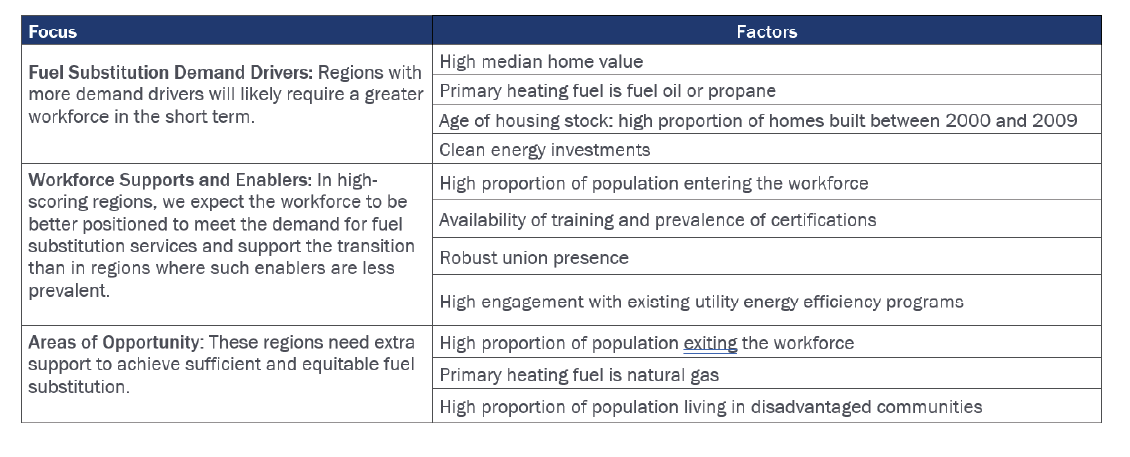
For this analysis, the study team considered the current workforce, recent workforce trends, and long-term workforce projections in each region of California. We analyzed workforce trends alongside contextual data regarding the likely demand for fuel substitution services, the local supports available to the workforce, and workforce and population factors that require additional attention and support. These include the following, summarized in Table 6:
- Fuel Substitution Demand Drivers: In regions where demand drivers such as relatively high home values, heating with fuel oil or propane, homes nearing replacement of their heating equipment, and investments in clean energy are more prevalent, we expect market demand for fuel substitution to be greater than in regions where they are less prevalent. Regions with more demand drivers will likely require a larger workforce in the short term. In comparison, those with lower demand drivers may need less workforce support in the short term and more interventions to encourage and support fuel substitution in the medium to long term.
- Workforce Supports and Enablers: In regions where supports and enablers such as population entering the workforce, availability of and participation in training and certification programs, union support, and contractor and customer engagement with existing energy efficiency programs are more prevalent, we expect the workforce to be better positioned to meet the demand for fuel substitution services and support the transition than in regions where they are less prevalent. Regions with fewer existing workforce supports would benefit from interventions and investments to ensure the workforce is sufficient and ready to support fuel substitution.
- Areas of Opportunity: In regions where many homes heat with natural gas, with a high proportion of the population exiting the workforce, or with a large proportion of the population residing in disadvantaged communities, the market demand for fuel substitution may be low, the workforce insufficient, or the population particularly harmed if left behind. These regions need extra support to achieve sufficient and equitable fuel substitution. This support will be essential to meet the electrification targets set for California in a way that equitably confers benefits to residents of all economic and geographical dispositions.
Fuel substitution demand drivers, areas of opportunity, workforce supports and enablers, described in Table 6, all have important implications for supply and demand. Their relative presence or lack in a given region, combined with the state of the workforce, can help identify areas of particular concern and resulting policy interventions.
[31] The study team excluded General Contractors based on TECH Initiative tracking data which shows that out of 5,000 participating TECH contractors, only 74 have only a General Contractor license and no other specialized license. Excluding General Contractors from the analysis allows us to focus on the trades most involved in fuel substitution and avoid artificially skewing our perspective of the available workforce.
Table 6. Workforce Drivers, Supports and Enablers, and Opportunities Study Elements
In conducting this analysis, the study team leveraged Geographic Information System (GIS) software and combined data from a wide range of sources, including state and federal employment estimates, state contractor licensing data, Census data, training and certification data, and other sources as described in Table 7. Detailed information on how we used each data source in the analysis is provided in in the Appendix.
Table 7. Data Sources Used in Spatiotemporal Analysis
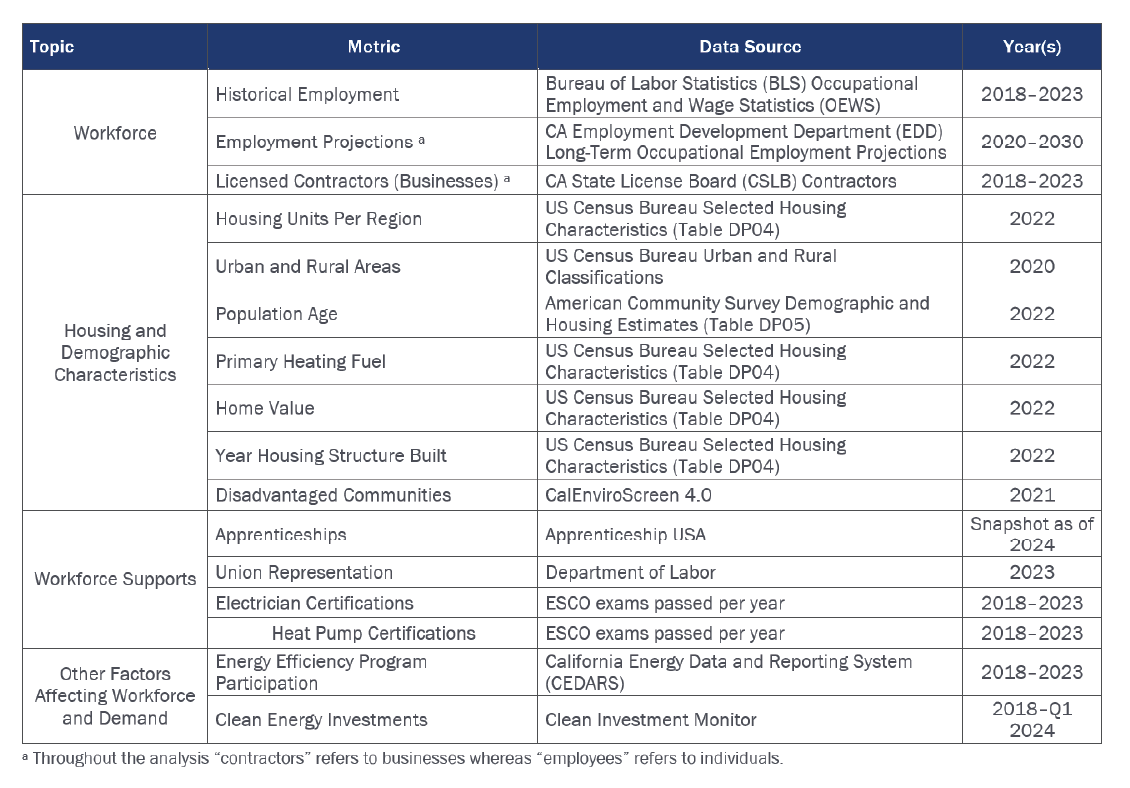
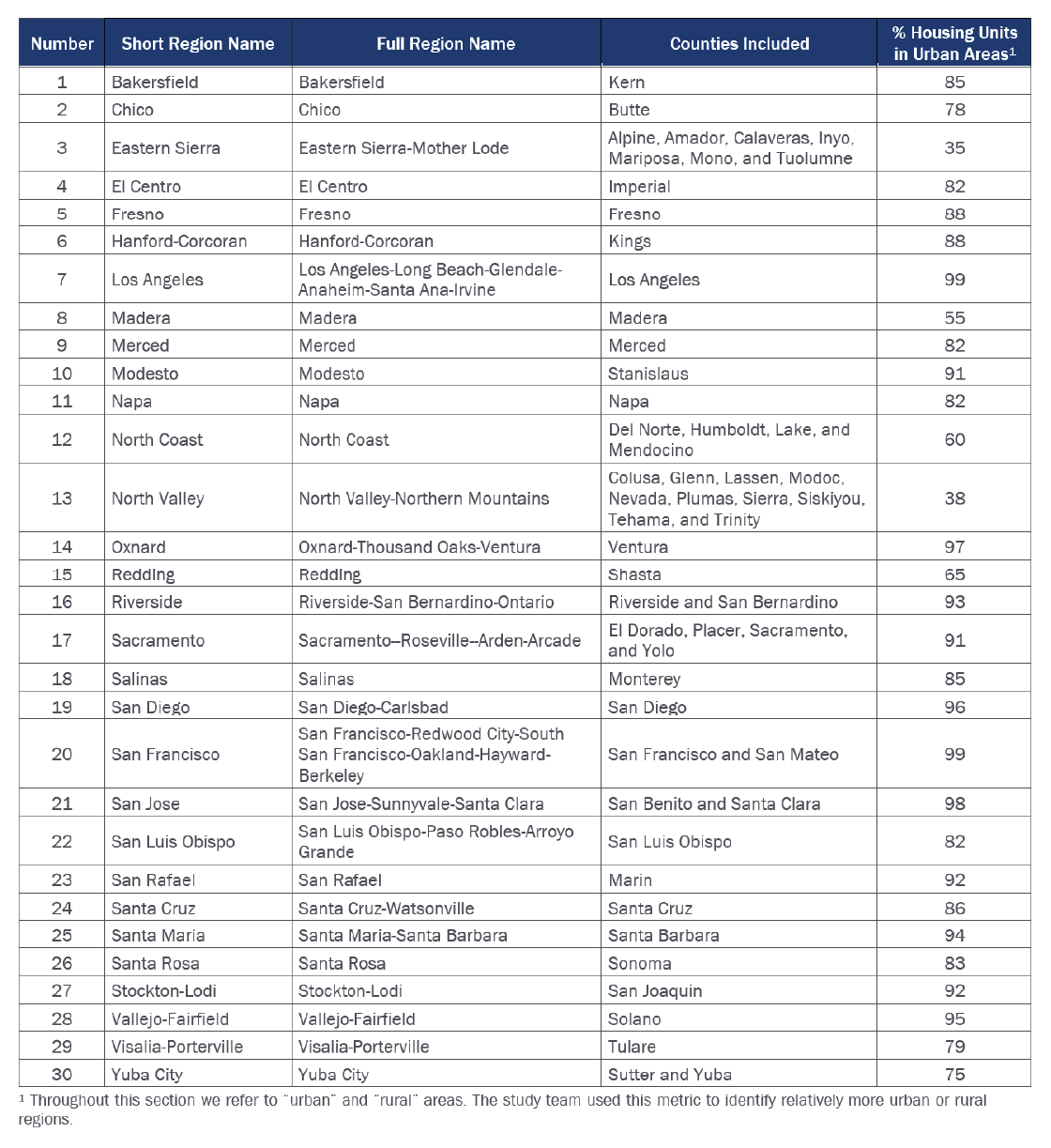
The analysis was completed at the regional level. Regions are defined as the metropolitan statistical area (MSA) or metropolitan division (MD) for urban and suburban areas and the county consortium for rural areas (Figure 4, Table 8). The study team used this level of analysis because it aligns with the geographic unit at which employment data are tracked. These areas are small enough to detect differences across the state but large enough to create actionable policy recommendations. The study team recognizes that important demographic and housing differences, such as the incidence of disadvantaged communities, are defined at more granular levels in the underlying data. We account for varying population density and characteristics within a region when aggregating the data, as explained in the Appendix. Throughout the report, for ease of reading, we refer to each region using the “Short Region Name” defined in Table 8.
Figure 4. Analysis Regions
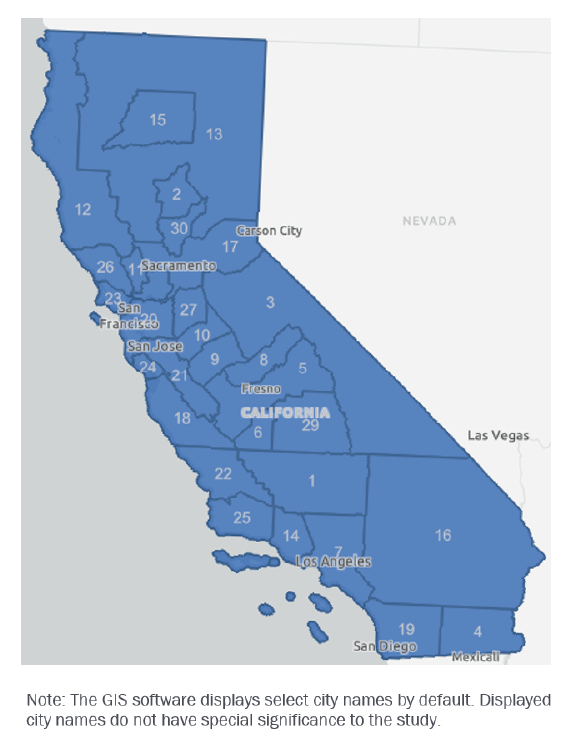
Table 8. Summary of Analysis Regions
4. Study Findings
4.1 Customer Journey Mapping and Survey Findings
Findings from the customer journey mapping and survey process are presented in this subsection.
4.1.1 HVAC Heat Pump Journey
In this section, we present findings about surveyed customers who recently installed a HVAC heat pump and their journey, from their decision to reach out to a contractor through the installation. We also discuss how long each stage of the journey took, any home modifications or upgrades required for the installation, and any challenges the customer encountered throughout their journey. The study team looked at how survey responses differed between IOU gas service territories, the number of contractors the customer spoke with, and whether the project replaced broken/failing equipment or a functioning system. We call out distinguishable differences throughout the section.
First, we share the resulting visual customer journey map for the HVAC Heat Pump Journey and then we share some information about customer’s homes and other electric devices in their homes to contextualize when each step of the heat pump installation is occurring
HVAC Heat Pump Customer Journey Map
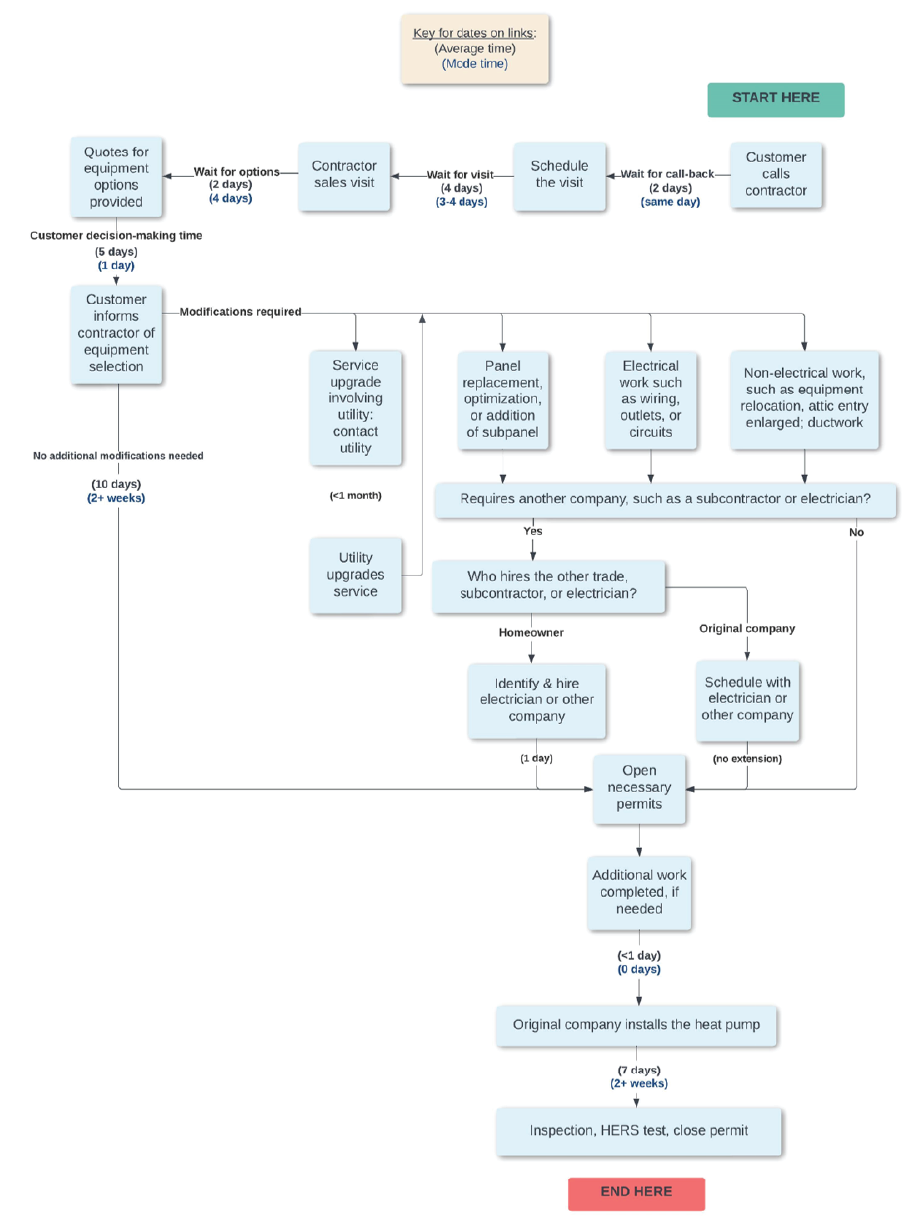
Customer journey maps visually represent the steps and interactions a customer goes through when engaging with a product, service, or brand. They enable us to understand the customer experience, including identifying pain points and areas of friction, such as long wait times. The objective of this task was to map the customer journey for HVAC heat pump installations with and without electrician involvement, with a specific focus on understanding the length of each step within the journey. Figure 5 displays the HVAC heat pump replacement customer journey resulting from this study.
Figure 5. HVAC Heat Pump Replacement Customer Journey Map
Home Characteristics
Most HVAC customers have taken other steps to electrify their home, with more than half having solar when they got their heat pump installed. More than three-quarters (57 of 72; 79%) of HVAC customers reported having at least one of the other electric devices listed in Figure 6 in their home at the time of the survey. Among these respondents, most (40 of 57; 70%) had more than one of the devices in their home. In addition to their recently installed HVAC heat pump, customers most commonly had solar panels, an electric vehicle (EV), and/or EV charging. Respondents who did not have an electric device were asked about their interest in purchasing them in the future. Customers were most interested in installing solar panels in the future and least interested in purchasing a heat pump clothes dryer.
Figure 6. Electric Device Presence in Home (n=72)
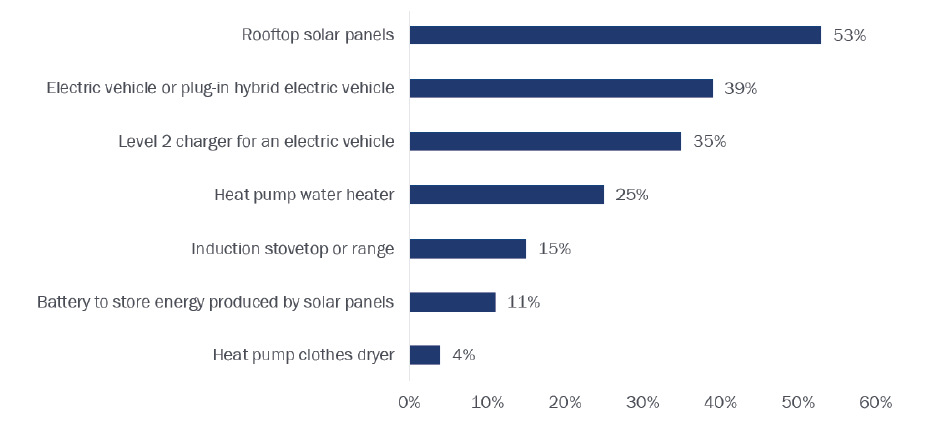
Note: Multiple responses allowed
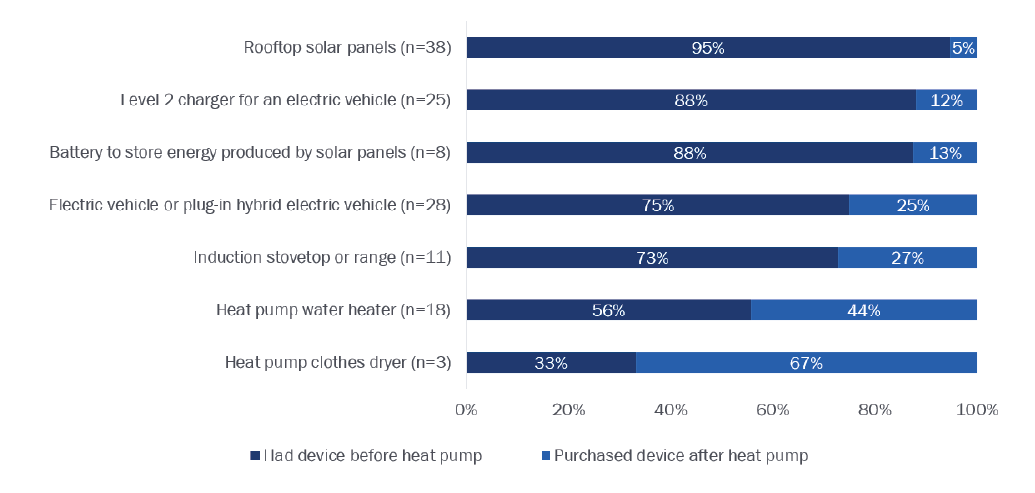
The most common devices found in customers’ homes before the heat pump installation related to electric generation, storage, and transportation (Figure 7). We asked customers who reported having a device if they had it before the heat pump was installed or purchased it afterward. Solar panels were the most common device found in customers’ homes prior to installing their HVAC heat pump, while a heat pump clothes dryer was the least common.
Figure 7. Electric Device Presence in Home by Time of Purchase
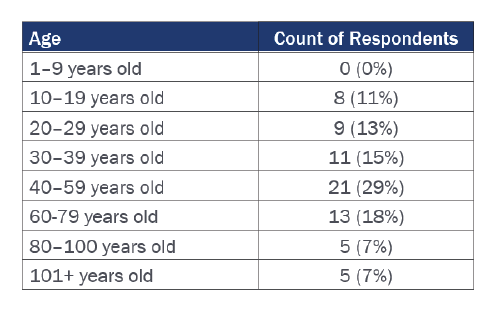
Most HVAC heat pump customers’ (55 of 72; 76%) homes were at least 30 years old, while 10 (14%) reportedly were 80 years or older. No customer homes were under 10 years old. Table 9 summarizes respondents by the house age.
Table 9. Age of Home (n=72)
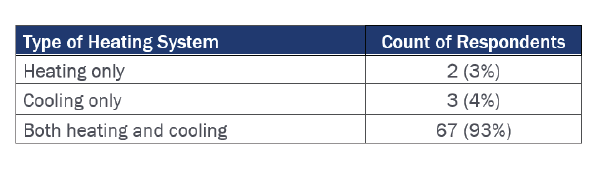
When initiating their project, most customers wanted a new heating and cooling system. Nearly all HVAC customers (67 of 72; 93%) were interested in installing both a new heating and cooling system as part of their project (Table 10). Only a few customers said their primary interest was solely in getting a new heating system (2 of 72; 3%) or a new cooling system (3 of 72; 4%). Two of the three customers most interested in adding a new cooling system lived in SoCalGas territory.
Table 10. Type of Heating System of Interest (n=72)
Hiring a Contractor
Most surveyed HVAC customers (50 of 72; 69%) initially contacted a contractor because their existing system was broken or actively failing (Figure 8). Minorities of customers initiated the project to work towards electrifying their home and reducing their carbon footprint (11 of 72; 15%) or to simply explore new equipment options despite their current system still functioning (8 of 72; 11%).
Figure 8. Reason Customer Contacted a Contractor (n=72)
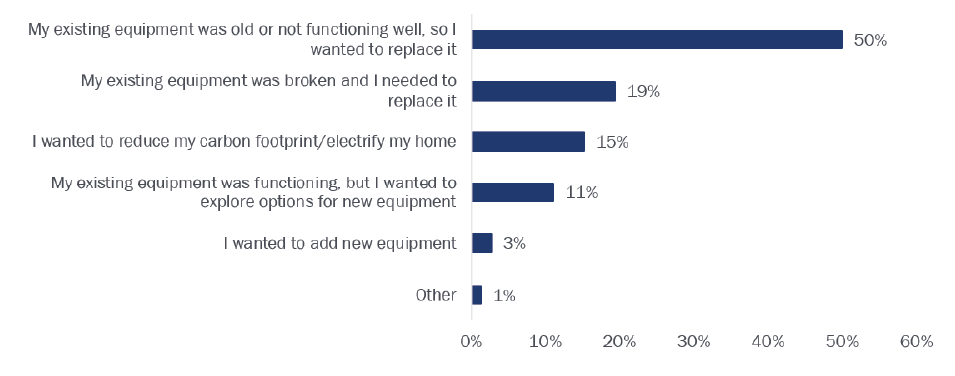
Note: One other response included a desire for lower energy bills.
It was common for customers to reach out to more than one contractor. Three-quarters of HVAC customers (54 of 72; 75%) got quotes from more than one contractor for their project (Figure 9). Among respondents who got multiple quotes, most received quotes from two to three contractors (44 of 54; 81%). Customers in the SDG&E territory, although few (5 of 8; 63%), were much more likely than respondents in other IOU territories (8 of 45; 18% PG&E, 5 of 19; 26% SoCalGas) to report only speaking with one contractor for quotes.
Figure 9. Number of Contractors Who Provided Quotes (n=72)
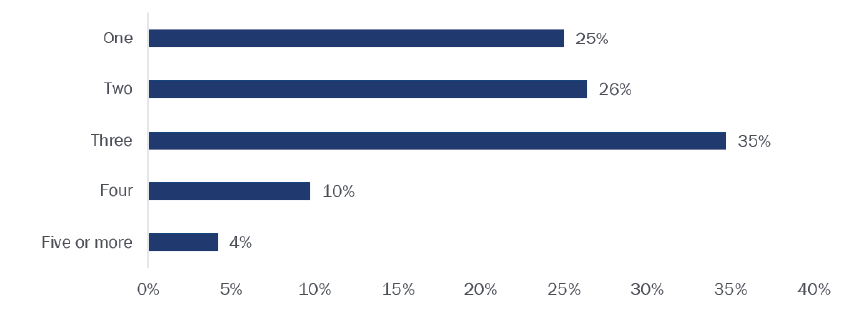
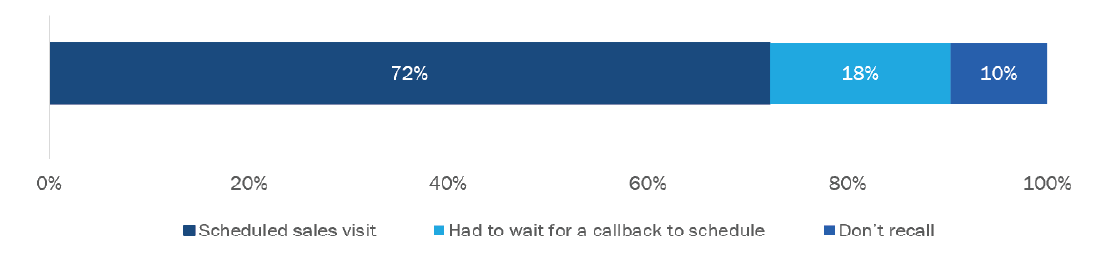
Nearly all HVAC customers scheduled their sales visit within two days of contacting the contractor. Almost three-quarters of respondents (52 of 72; 72%) scheduled their sales visit when they first contacted the contractor, while a minority (13 of 72; 18%) had to wait for a callback before scheduling their visit (Figure 10). Nearly all those who had to wait for a callback (11 of 13; 84%) received the call within one to two days, while the last two respondents waited up to two weeks. Customers who were replacing broken or failing equipment (39 of 50; 78%) were more likely to schedule the sales visit when they first contacted the contractor compared to those whose HVAC system was still functioning (13 of 22; 59%). Respondents who reported contacting only one contractor (17 of 18; 94%) were also more likely to schedule their visit during the initial call than respondents who got quotes from multiple contractors (35 of 54; 65%).
Figure 10. First Contractor Interaction Result (n=72)
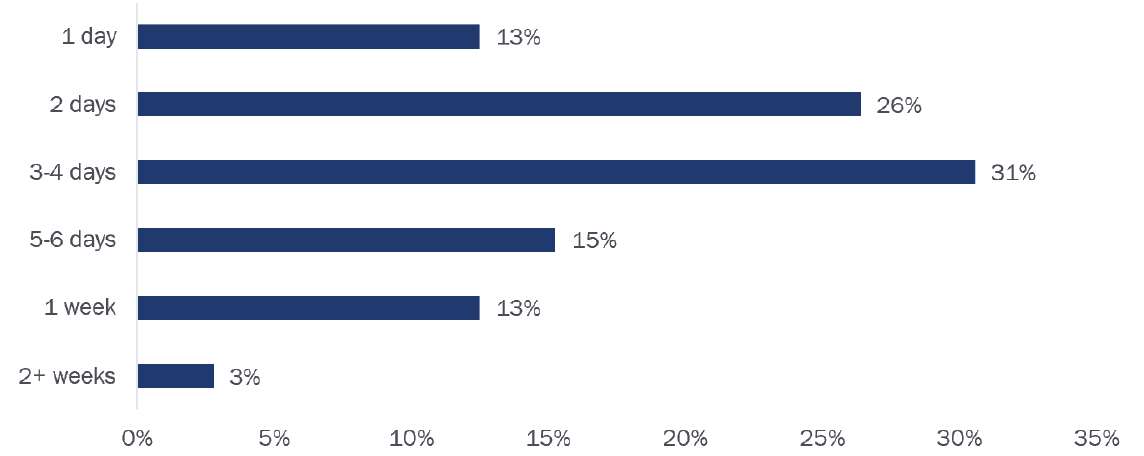
Most HVAC customers’ (50 of 72; 69%) sales visit occurred within four days of scheduling (Figure 11). Only two respondents reported the visit occurred more than a week after scheduling with the contractor, one of which said the contractor visited their home at least a month later. On average, the sales visit took place four days after the appointment was scheduled.
Figure 11. Length of Time Between Scheduling Appointment and Contractor On-site (n=72)
It was slightly more common for HVAC customers to wait for their project quotes than to receive them at the time of the sales visit (Table 11). Over half of HVAC customers (38 of 72; 53%) had to wait for a call from their contractor following the sales visit to receive quotes for equipment options. The remaining customers (32 of 72; 44%) received their quotes during the visit. Notably, customers who were replacing broken equipment (52%) were nearly twice as likely to receive quotes for their project at the time of the sales visit compared to those who were replacing functioning equipment (27%).
Table 11. Timing of Quote Delivery (n=72)

Almost all respondents who did not receive their project quotes at the time of the sales visit (34 of 40; 85%) reported that their contractor provided the quotes within four days after the visit, nearly half of which (14 of 34; 41%) received the quotes within one day of the sales visit (Figure 12). On average, it took contractors three days to follow up with the project quotes.
Figure 12. Timing from Sales Visit to Receipt of Quotes (n=40)
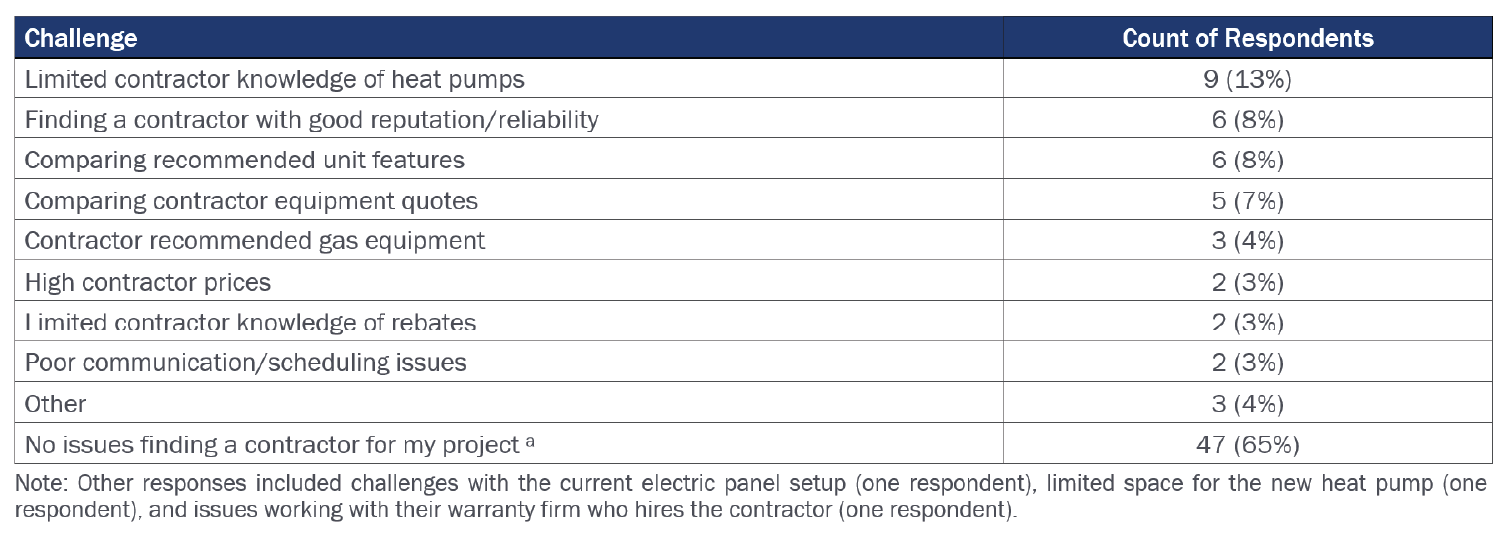
Most HVAC customers (47 of 72; 65%) encountered no issues finding a contractor for their project (Table 12). Of those who did encounter issues, the most commonly reported challenge was the lack of installer knowledge about heat pump equipment. Other top challenges included finding a contractor with a good reputation and comparing equipment quotes and unit features recommended by contractors. Customers who mentioned issues comparing contractor quotes shared in the survey they thought some quotes included inaccurate costs or that the contractor was trying to sell them on equipment too large for their home, one person noting the equipment one contractor provided a quote for was three times the cost of the heat pump they ended up installing due to oversizing. One respondent said they received so many different multizone system options they had trouble narrowing down their options. Two respondents who reported issues comparing unit features had multiple contractors recommend completely different equipment options that included different, unspecified features, which made it difficult for them to decide on the best option for their home. Interestingly, HVAC customers who contacted a contractor because their existing equipment failed were 22% more likely to report no issues finding a contractor (36 of 50; 72%) to install their heat pump than customers who replaced equipment that was still functioning (11 of 22; 50%). Customers in SoCalGas territory (26%) were most likely to report challenges with limited contractor knowledge about heat pumps (9% PG&E; 0% SDG&E). Notably, all eleven customers who reported issues related to limited contractor knowledge about heat pumps or equipment rebates participated in TECH Clean California to receive an incentive for their installation.
Table 12. Challenges Encountered When Finding a Contractor (n=72)
Selecting Equipment
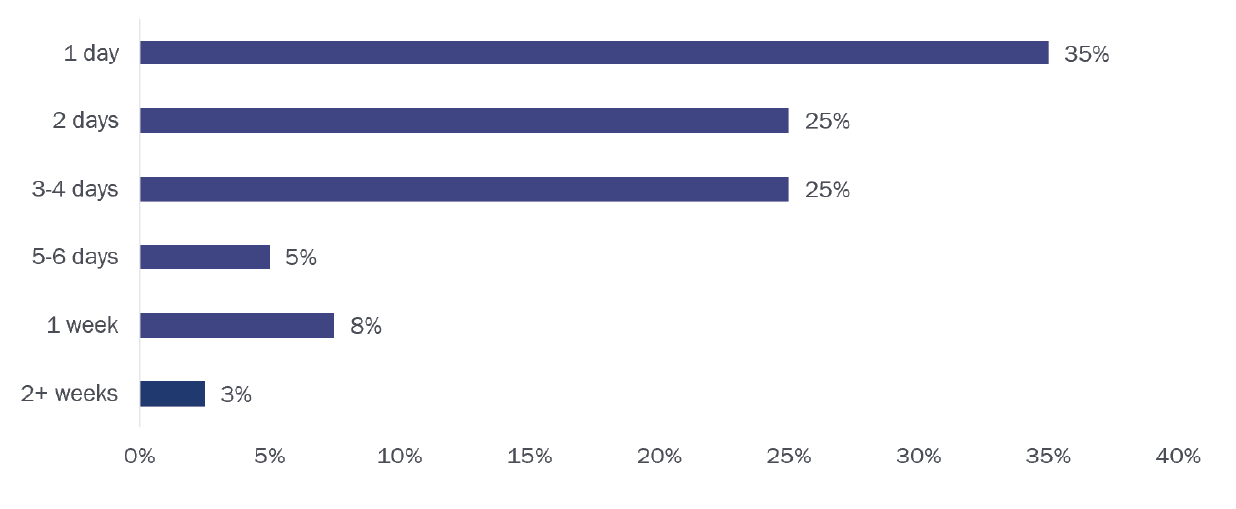
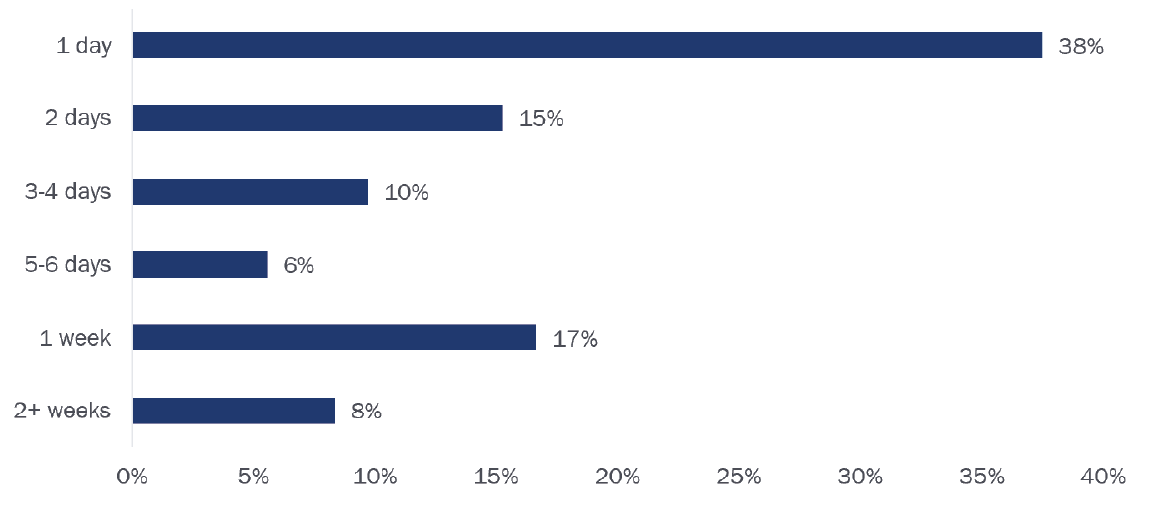
Nearly all HVAC customers (61 of 72; 92%) selected their heat pump equipment within a week of receiving their project quotes (Figure 13). Over half of respondents (38 of 72; 53%) decided on their heat pump within two days. Of those who reported taking two weeks or more, two respondents said their decision took about a month to make. Customers whose existing HVAC equipment was still functioning (5 of 22; 23%) were more likely to take two weeks or longer to select their equipment than respondents with a broken or failing system (1 of 50; 2%). On average, customers took five days to select their equipment.
Figure 13. Length of Time Between Receipt of Quote and Equipment Selection (n=72)
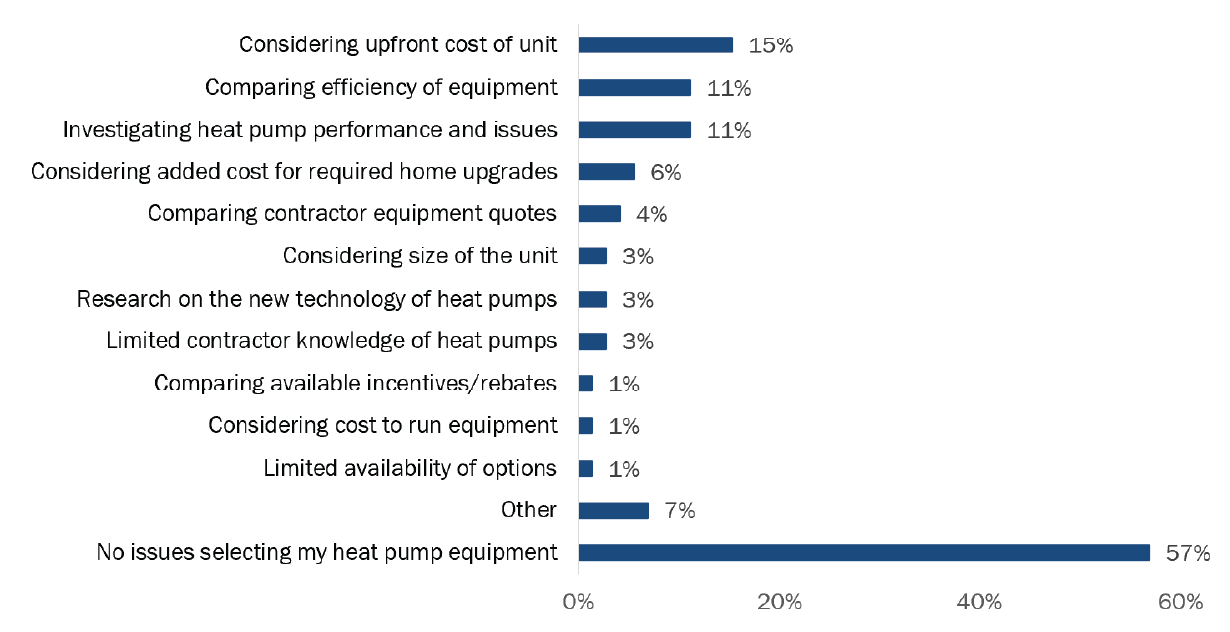
Over half of HVAC customers (41 of 72; 57%) experienced no challenges selecting their heat pump from the equipment options provided to them (Figure 14). According to the remaining respondents, the primary challenge or tradeoff when selecting their heat pump was the high upfront cost of the equipment. Comparing the efficiency of equipment options (eight respondents) and researching heat pump performance (eight respondents) were other commonly reported challenges respondents encountered during the selection process. Other challenges included the availability of specific equipment or unit features, such as air compressors (two respondents) and uncertainty of whether their existing equipment was failing and needed to be replaced (one respondent).
Figure 14. Challenges Selecting HVAC Heat Pump Equipment (n=72)
Note: Multiple responses allowed, except, “No challenges/issues” was an exclusive survey response.
Home Upgrades
In the survey, we asked customers about four different types of upgrades or modifications that might be required to accommodate a heat pump, these included:
- Utility Service Upgrades: These upgrades are completed by the electric utility provider and involve upgrading the power line capacity to a customer’s home.
- Electrical Panel Upgrades: These upgrades refer to panel replacements, electrical panel optimization (e.g., creating space in a full panel, installing smart circuit breakers, having two devices share one breaker (i.e., load-sharing), or adding a subpanel.
- Other Electrical Modifications: Other modifications include upgrades not specified above that relate to wiring, outlets, or circuits.
- Other Required Home Upgrades: Other required upgrades refer to non-electrical services that may have been required for the installation, such as relocating equipment, enlarging attic entry, modifying ductwork, adding a condensate line, etc.
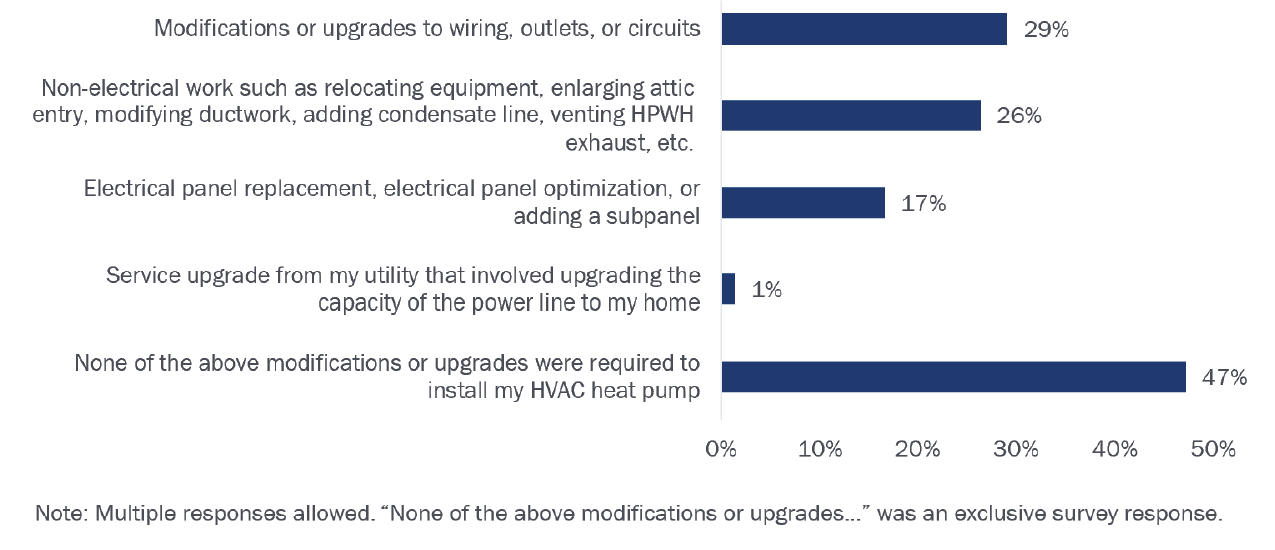
Modifications or upgrades to wiring, outlets, or circuits were the most common services required to support the HVAC heat pump installation (Figure 15). Just over half of surveyed HVAC customers’ projects (38 of 72; 53%) required additional upgrades and/or modifications to accommodate the heat pump installation, most of which (21 of 38; 55%) involved modifications or upgrades to the home’s wiring, outlets, or circuits. Non-electrical modifications, such as ductwork, equipment relocation, or the addition of a condensate line were required in half of these cases (19 of 38; 50%). Projects that replaced functioning equipment (17 of 22; 77%) were more likely to require at least one home modification or upgrade than those that replaced broken or failing equipment (21 of 50; 42%).
Figure 15. Home Modifications Needed for Install (n=72)
Utility Service Upgrades
Only one HVAC heat pump project required a service upgrade from the utility, which involved upgrading the capacity of the power line to the home. This customer reported the work was completed in less than a month and they encountered no issues with the upgrade.
Electrical Panel Upgrades
Panel upgrades were primarily panel optimization, which was completed by the HVAC heat pump installer. Of the 12 HVAC customers who reported needing a panel upgrade for their installation, only one required a full panel replacement, while all others (11 of 12; 83%) involved panel optimization. Most electrical panel upgrades (9 of 12; 75%) were completed by the same company that installed the HVAC heat pump (Figure 16). Only two respondents reported hiring an electrician from a separate company to complete the upgrade, both of whom hired the electrician themselves. The electrician-hiring process took one respondent only two days and the second five days. One respondent did not recall who completed their home’s panel upgrade.
Figure 16. Who Completed Electrical Panel Work (n=12)
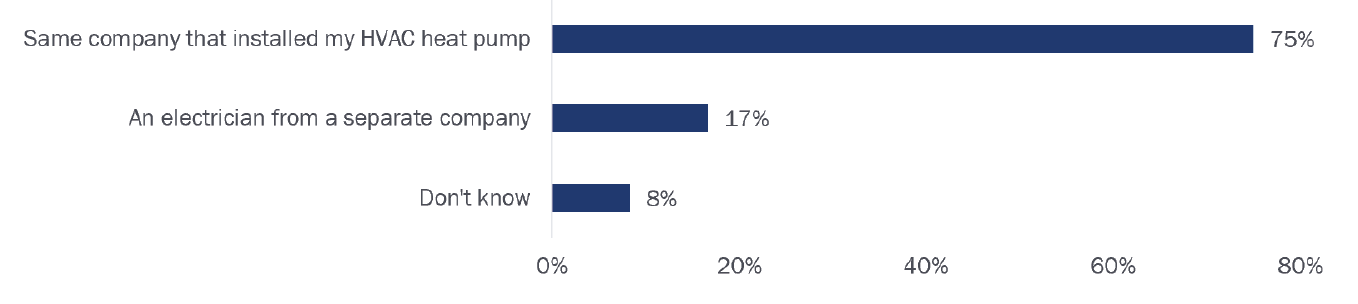
Panel upgrades rarely lengthened the project timeline. Nearly all panel upgrades completed by the same company that installed the heat pump (7 of 9; 78%) did not extend the project timeline. The remaining two respondents said the work only extended their timeline by one day (one required a panel replacement and one had panel optimization). Both customers who hired a separate electrician to complete their electrical panel upgrade said the work took only one day to complete. Only one HVAC customer reported a challenge with their panel upgrade, indicating that more panel work was needed than initially expected. The same installer who installed the HVAC heat pump completed the panel work for this project.
Other Electrical Modifications
The same company that installed the HVAC heat pump typically completed the other (non-panel) electrical modifications, and the additional work rarely extended the project timeline. Of the 21 respondents whose projects required other electrical modifications to accommodate their heat pump installation, nearly all (19; 90%) said the same company that installed the heat pump completed the work (Figure 17). Most of these customers (15 of 19; 69%) reported that the work did not extend the project timeline, although four (31%) said it added one day. Alternatively, the remaining two customers who reported that a separate company completed their electrical work both indicated they hired the electrician themselves. One of these customers said finding an electrician only took a day, while the other reported that the process took two weeks. Both respondents reported that the electrician completed the work in two days or less.
Figure 17. Who Completed Electrical Modifications (n=21)

Other Required Home Upgrades
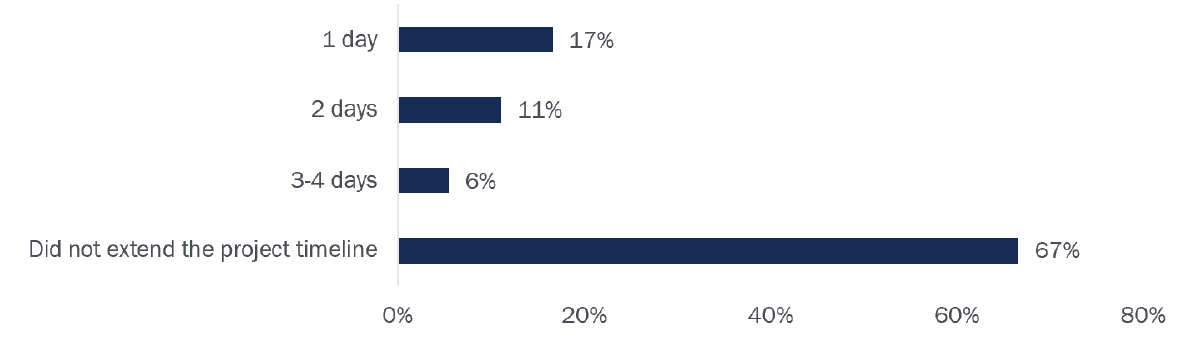
The same company that installed the HVAC heat pump typically completed the non-electrical upgrades and the work rarely extended the project timeline. Nearly all HVAC customers whose projects required a non-electrical home upgrade (18 of 20; 90%) reported that the work was completed by the same company that installed their heat pump (Figure 18). In 17 of these cases, the upgrades took four days or less to complete, with two-thirds of customers (12 of 18; 67%) reporting the upgrades took only one day to complete. The longest time taken to complete the upgrades was a week (one respondent). Two-thirds of the heat pump installer’s upgrades (67%) were completed without extending the project timeline, with 12 out of 18 completed without any delay (Figure 18). Five respondents reported that the non-electrical work pushed their timeline out by one to two days. In the two cases where a separate contractor completed the non-electrical upgrades, the customer reported the hiring process took two to three weeks.
Figure 18. Length of Time Added to Project by Non-Electrical Work (n=18)
Only three customers (of 20; 15%) encountered challenges with their upgrades, one of which said the company had to schedule the work six weeks out but that the upgrades themselves only took an hour for the contractor to complete. Of the remaining two respondents, one reported an issue fitting the equipment into their attic, and one had difficulties locating the best route from the new outside unit location to the inside unit.
Heat Pump Installation
Most installations occurred within one week of scheduling, and customers rarely encountered issues coordinating with the installer. When asked how much time passed between when they scheduled the installation and when the contractor came to their home to install the equipment, nearly two-thirds of HVAC customers (47 of 72; 65%) reported the installation occurred within one week, most of which took place within less than a week (28 of 47; 60%) (Figure 19). Among the one-third of customers who reported at least two weeks passed before the installation occurred after scheduling, only three said more than a month passed before the contractor came to their home. The longest duration reported by a HVAC customer was four months. This person shared that this was because they were unable to be present at the home any earlier. Only two customers encountered a communication or scheduling issue while coordinating the installation. On average, 10 days elapsed between when the installation was scheduled and when the installation began.
Figure 19. Length of Time Between Scheduling Install and Install Start Date (n=72)
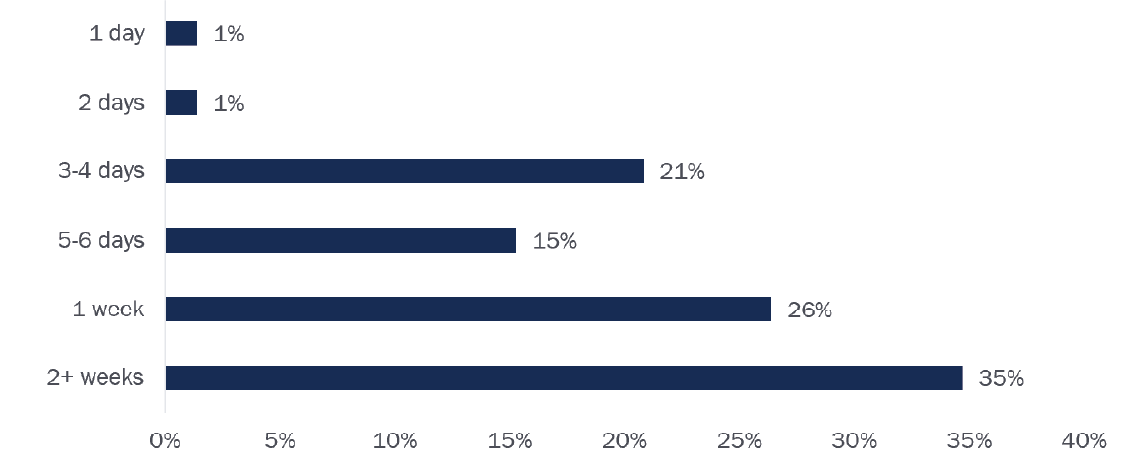
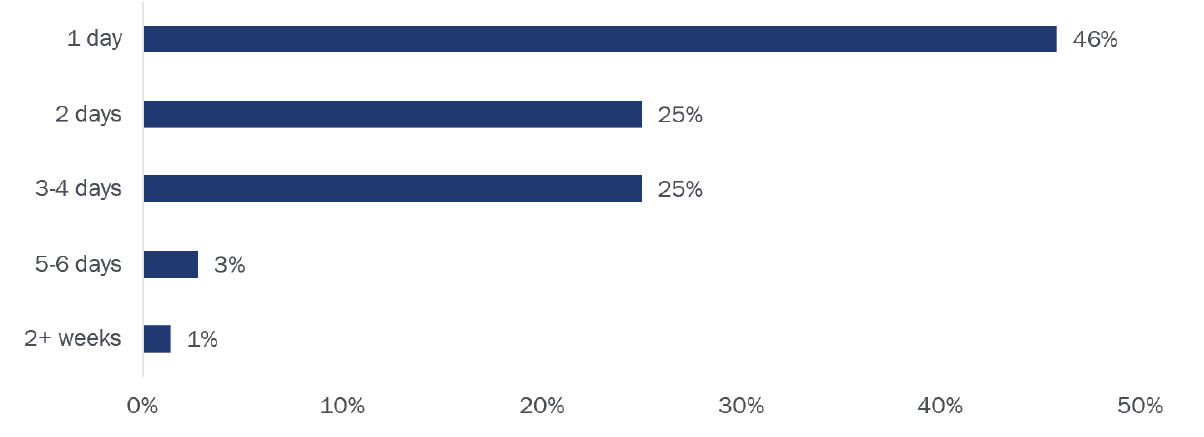
HVAC heat pump installations typically took three days or less to complete. Nearly all HVAC heat pumps (66 of 72; 92%) were installed within three to four days, whereas nearly half (33 of 72; 46%) took only one day to install (Figure 20). The longest installation took over a month to complete (one respondent). This respondent shared that the extended timeline was due to malfunctioning ducts, ventilation issues, and failed inspections and/or HERS testing. On average, HVAC heat pump installations took only two days.
Figure 20. Length of Time for HVAC Heat Pump Installation (n=72)
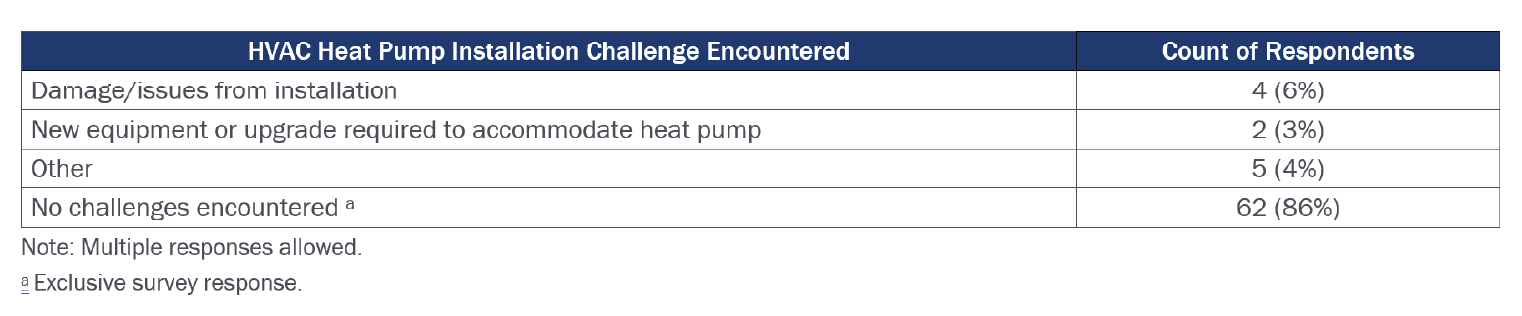
Most HVAC customers (62 of 72; 86%) did not encounter any issues with their heat pump installation (Table 13). Damage or issues resulting from the installation were the most common challenges reported by customers. For example, one respondent mentioned damage to their drywall while another said their condensate line was placed incorrectly during the initial installation and required a follow-up visit from the contractor. Of the respondents who said new equipment or upgrades were required, one said they had to install a new thermostat to accommodate their HVAC heat pump, and the second noted modifications to their return-air system were needed. All other issues were each reported by one respondent, these included being without air conditioning during the installation, the installation requiring the use of a crane, and the inconvenience of needing to provide contractor with site access. The last two provided responses were not relevant to the installation.
Table 13. Challenges Encountered During HVAC Heat Pump Installation (n=72)
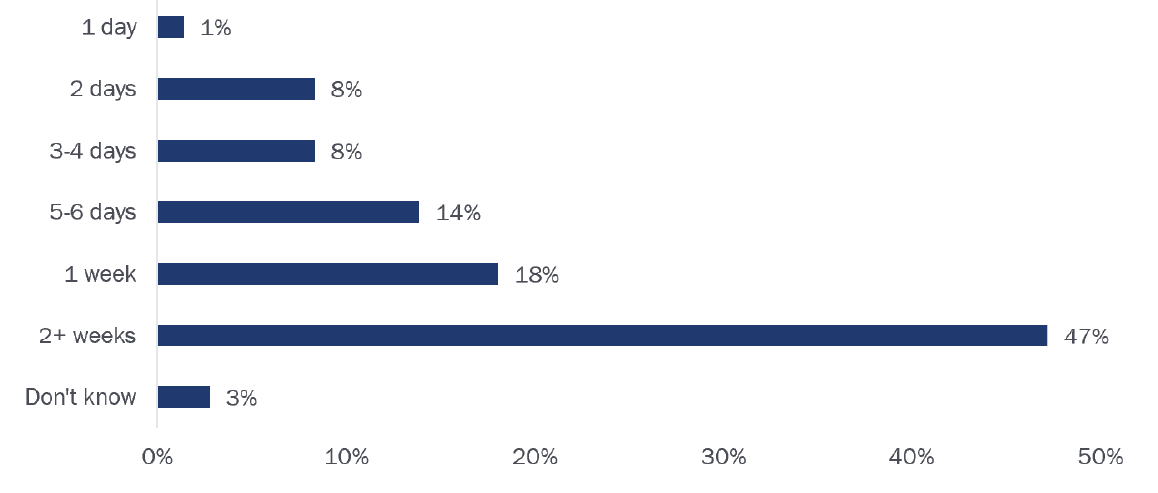
Most HVAC customers waited at least a week for inspectors and/or HERS testers to visit their home. When asked how long they waited for inspectors or HERS testers to come to their home and complete their inspection, nearly half of HVAC customers (34 of 72; 47%) said this process took more than two weeks to complete after the installation (Figure 21). In five cases, this process took more than three months with the longest reported duration being six months (one respondent). Notably, four of these five cases were located in PG&E service territory, including the project where inspections/testing took six months. In contrast, about one-third of respondents (23 of 72; 32%) reported that inspections and/or testing took less than a week. On average, the process took seven days.[32]
[32] Two “Don’t know” response excluded from calculation.
Figure 21. Length of Time Between Install and Inspection/HERS testers (n=72)
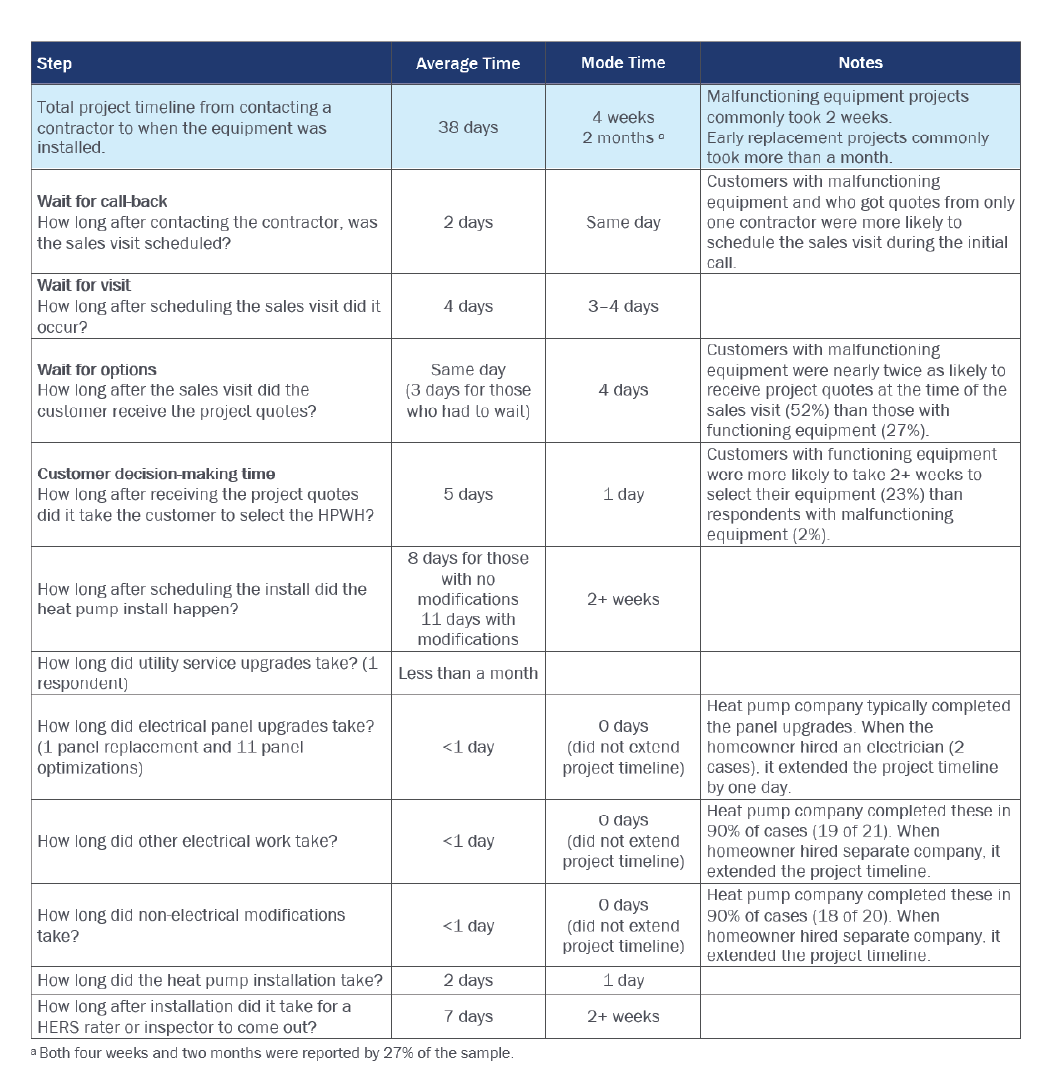
Most projects took at least a month to complete, particularly those where the heat pump replaced functioning equipment. We asked customers to estimate how long their project took to complete, beginning with when they first contacted a contractor to when their equipment was installed.[33] Overall, half of HVAC heat pump projects (36 of 72; 52%) took at least a month to complete, half of which (18 of 36; 50%) took over two months. One project took 10 months to complete; this project required modifications or upgrades to the wiring, outlets, or circuits of the customer’s home, but no challenges or delays resulted from these services. A minority of HVAC heat pump projects (15 of 72; 21%) were completed in under a week. On average, customers reported the project took 38 days to complete. As displayed in Figure 22, projects in which the heat pump replaced a broken system were more likely to be completed on a shorter timeline than projects in which the heat pump replaced a functioning system. Installations replacing failed equipment were more likely to be completed in two weeks or less.
[33] Note this timeframe excludes any inspections and/or HERS testing completed after the installation.
Figure 22. Total Project Completion Time by Replacement Situation (n=72)
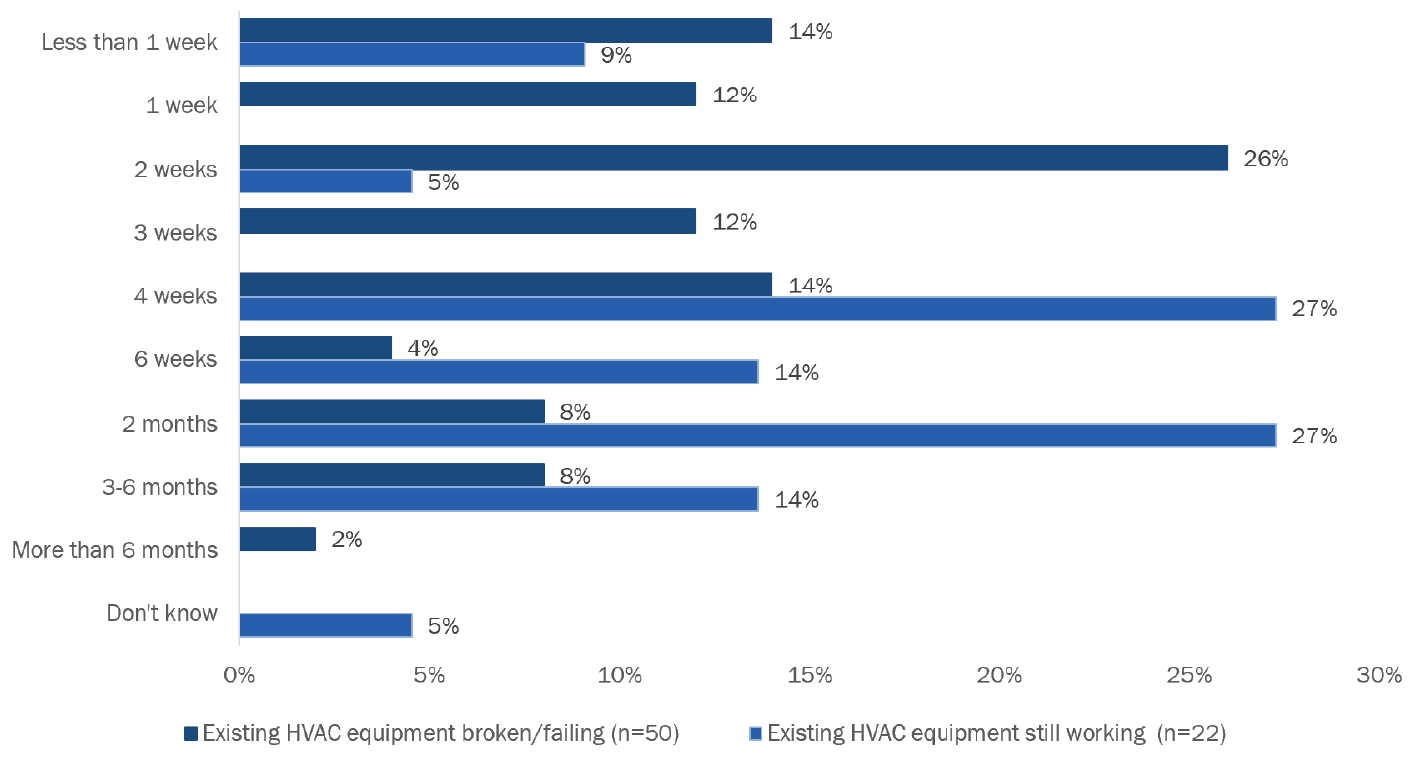
Table 14 provides the average length of time each step in the customer journey process reportedly took.
Table 14. HVAC Heat Pump Timeline Overview
4.1.2 HPWH Journey
In this section, we present findings about surveyed customers who recently installed a HPWH and their journey through the installation process. We also discuss how long each stage of the journey took, any home modifications or upgrades required for the installation, and any challenges the customer encountered throughout their journey. The study team looked at how survey responses differed between IOU gas service territories, the number of contractors the customer spoke with, and whether the project replaced broken/failing equipment or a functioning system. We call out distinguishable differences throughout the section.
First, we share the resulting visual customer journey map for the HPWH customer journey, and then we share some information about their homes and other electric devices in their homes to contextualize when each step of the heat pump installation is occurring.
HPWH Customer Journey Map
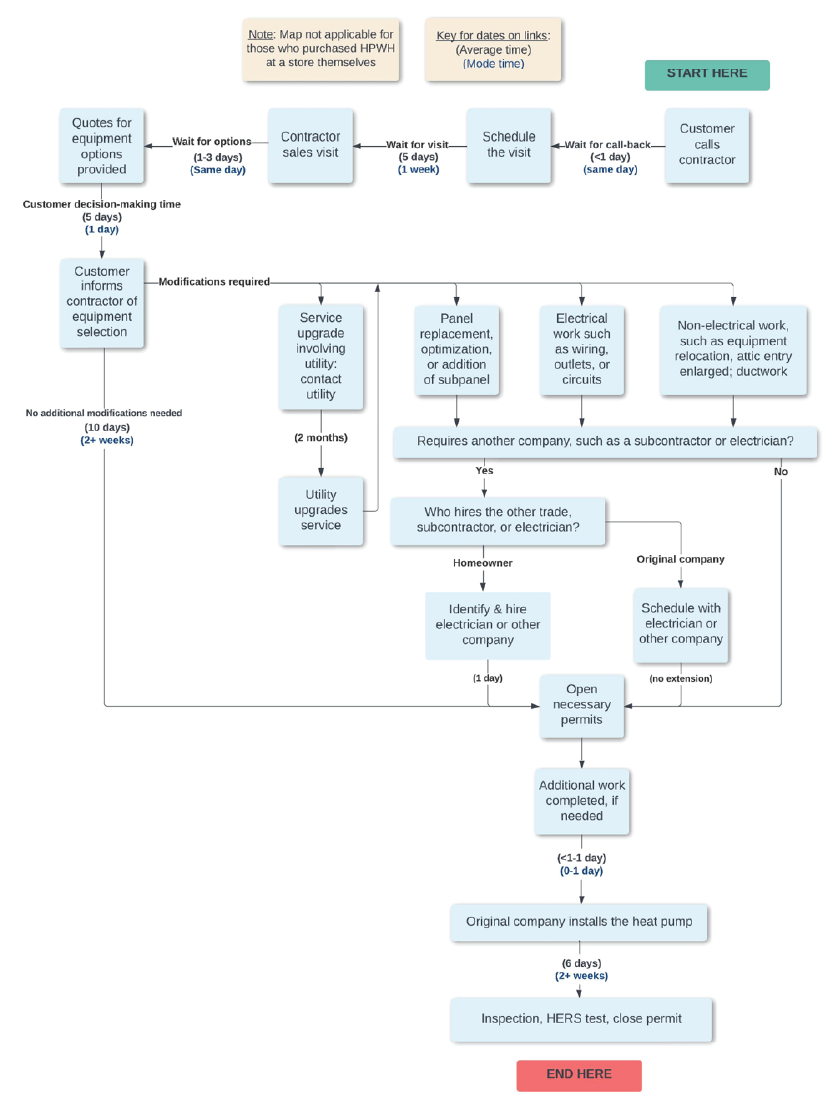
As discussed for HVAC heat pumps above, customer journey maps visually represent the steps and interactions a customer goes through when engaging with a product, service, or brand. They enable us to understand the customer experience, including identifying pain points and areas of friction, such as long wait times. The objective of this task was to map the customer journey for HPWH installations with and without electrician involvement, with a specific focus on understanding the length of each step within the journey. Figure 23 displays the HPWH replacement customer journey resulting from this study.
Figure 23. HPWH Replacement Customer Journey Map
Home Characteristics
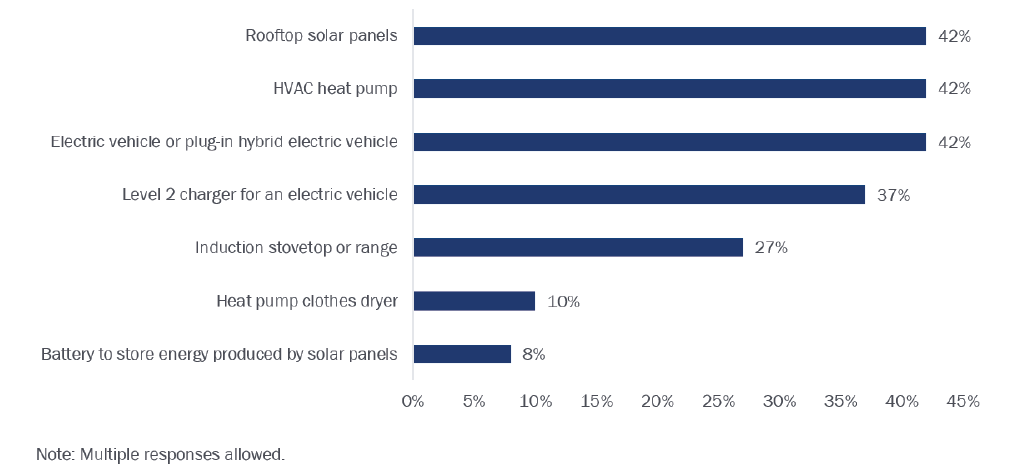
As we saw with HVAC heat pump customers, most HPWH customers have taken other steps to electrify their homes. The majority of HPWH customers (61 of 73; 84%) had at least one of the other electric devices listed in Figure 24 in their home. Of these respondents, over one-quarter (17 of 61; 28%) reported having more than one of the devices. In addition to their recently installed HPWH customers most commonly had solar panels, a HVAC heat pump, and/or an EV. Respondents who did not have a device were asked about their interest in purchasing in the future. Customers were most interested in purchasing battery storage in the future and least interested in purchasing a heat pump clothes dryer.
Figure 24. Electric Device Presence in Home (n=73)
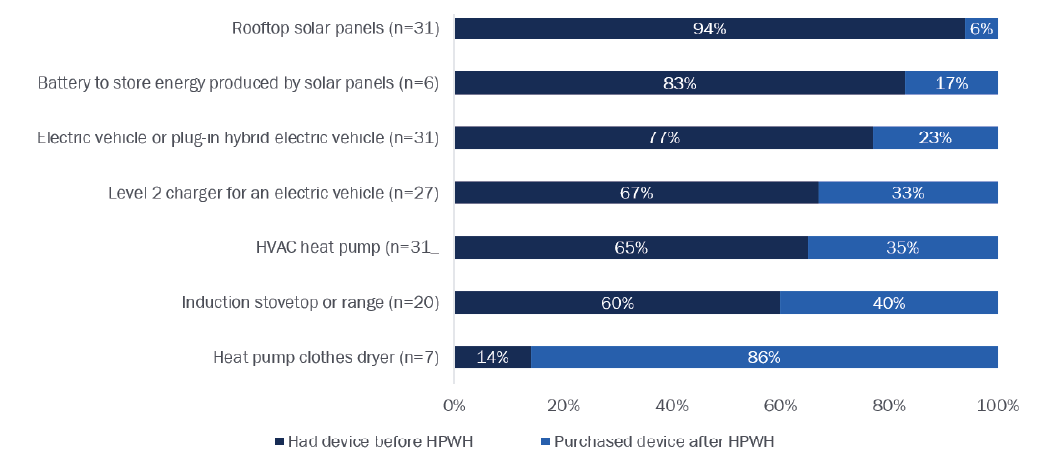
As observed for HVAC respondents, HPWH customers were most likely to report they had devices related to electric generation, storage, and transportation in their homes before the HPWH installation (Figure 25). We asked customers who said they had a device whether they had it before the HPWH installation or purchased it afterward. Customers were reportedly most likely to have solar panels and/or battery storage before installing their HPWH.
Figure 25. Electric Device Presence in Home by Time of Purchase
Like HVAC customers, the majority of HPWH customers (43 of 73; 59%) had mid-aged to slightly older homes ranging between 30 and 79 years old (Table 15). Only two homes were under 10 years old.
Table 15. Age of Home (n=73)
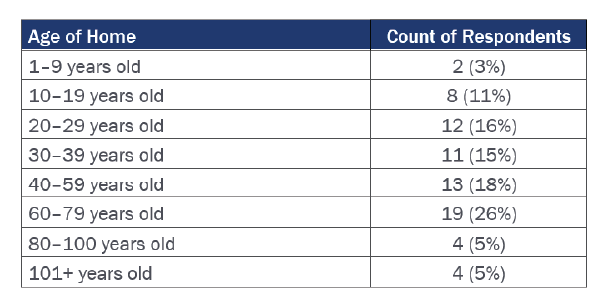
Nearly all HPWH customers (70 of 73; 96%) had a gas storage tank water heater before installing their heat pump. Two remaining respondents previously had a gas tankless “on demand” water heater, and one customer replaced an electric conventional storage tank water heater.
Hiring a Contractor
HPWH customers most commonly (26 of 73; 36%) contacted a contractor in the interest of electrifying their home to reduce their carbon footprint (Figure 26). Another nearly half of customers (34 of 73; 47%) initiated the project because their existing water heating equipment was broken or failing. HPWH customers (26 of 73; 36%) were twice as likely to report contacting a contractor in the interest of electrifying their home to reduce their carbon footprint than HVAC customers (11 of 72; 15%).
Figure 26. Reason Customer Contacted a Contractor (n=73)
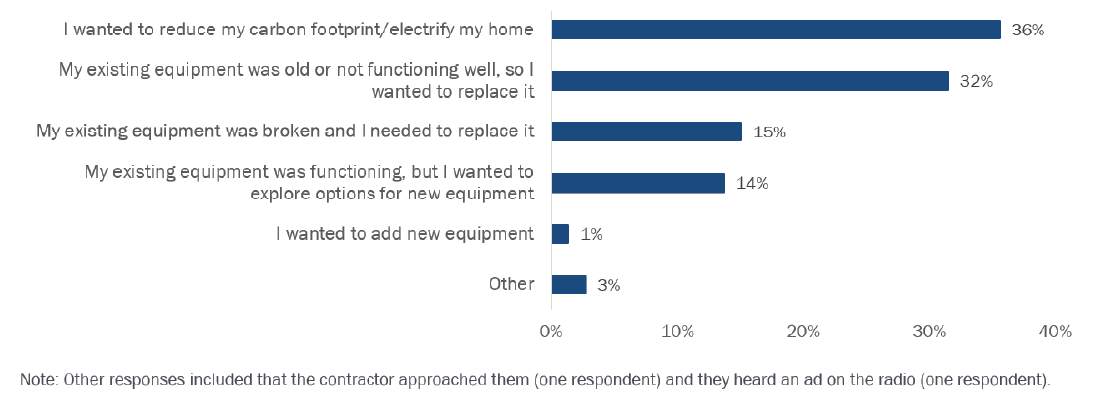
Most HPWH respondents (43 of 73; 59%) received project quote(s) from only one contractor (Figure 27). Over half of respondents who received quotes from multiple contractors (16 of 30; 53%) spoke with only two companies.
Figure 27. Number of Contractors Received Quotes From (n=72)
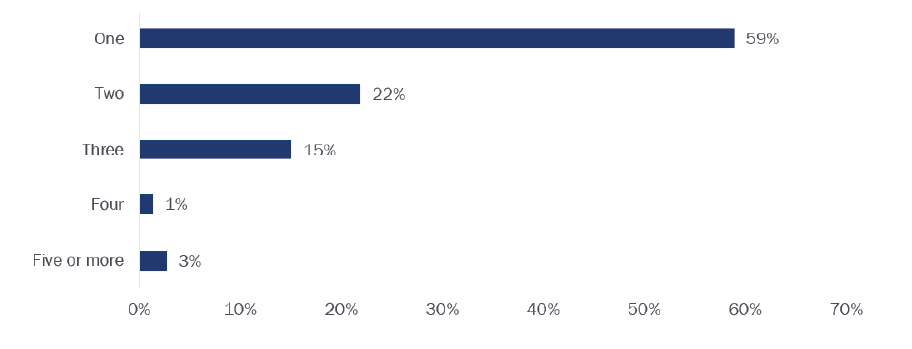
All HPWH customers scheduled their sales visit within a week of contacting the contractor. Most respondents (45 of 73; 62%) scheduled their sales visit when they first contacted the contractor, although a minority (10 of 73; 14%) had to wait for a callback before scheduling their visit (Figure 28). All 10 of these respondents received the callback within six days, while most (6 of 10; 60%) got the call within two days. Customers who were replacing broken or failing equipment (23 of 34; 68%) were more likely to schedule the sales visit when they first contacted the contractor compared to those whose existing water heater was still functioning (22 of 39; 56%).
Figure 28. First Contractor Interaction Result (n=73)
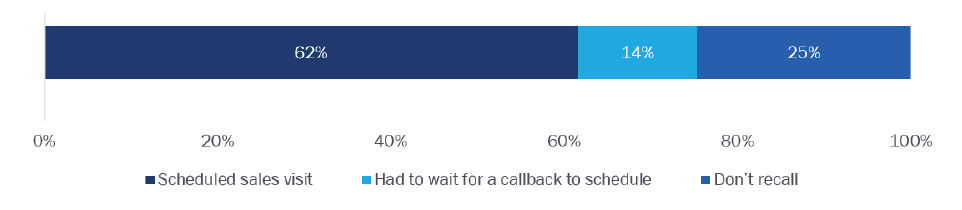
Most HPWH sales visits occurred less than a week after scheduling. Two-thirds of HPWH customers (41 of 73; 67%) sales visits occurred within six days of when they made the appointment (Figure 29). The longest amount of time passed between scheduling the sales appointment and when the contractor visited the home was two weeks (8 of 73; 11%). On average, the sales visit took place five days after scheduling. Sales visits were more likely to occur within four days or less for projects that replaced broken or failing water heating equipment (20 of 34; 59%) compared to those that replaced functioning equipment (12 of 39; 31%).
Figure 29. Length of Time Passed Between Scheduling Sales Visit and Appointment (n=73)
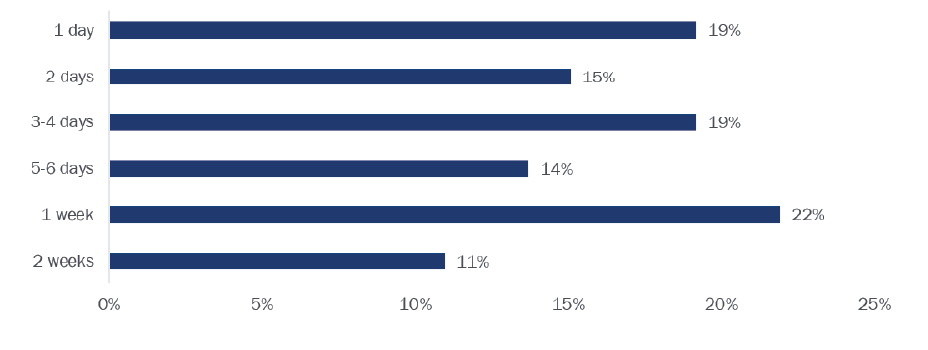
HPWH customers most commonly received their project quotes during the sales visit (Table 16). Nearly half of HPWH customers (36 of 73; 49%) received their project quotes during the sales visit, while about one-third (22 of 73; 30%) had to wait for a follow-up call (Table 16). Among those who reported something else happened, one respondent noted the contractor was already on site with the equipment and installed the heat pump the same day and a second person said the contractor had to first troubleshoot their existing system to confirm it had failed. The three remaining respondents did not remember or did not provide a clear response. Notably, five respondents said they did not receive a project quote from the contractor who installed their equipment. These respondents purchased the HPWH equipment themselves, although only one of them said they installed it themselves. All five respondents who did not get any equipment quotes from a contractor participated in the SW Plug Load and Appliance Program to receive an incentive for their installation.
Table 16. Timing of Quote Delivery (n=73)
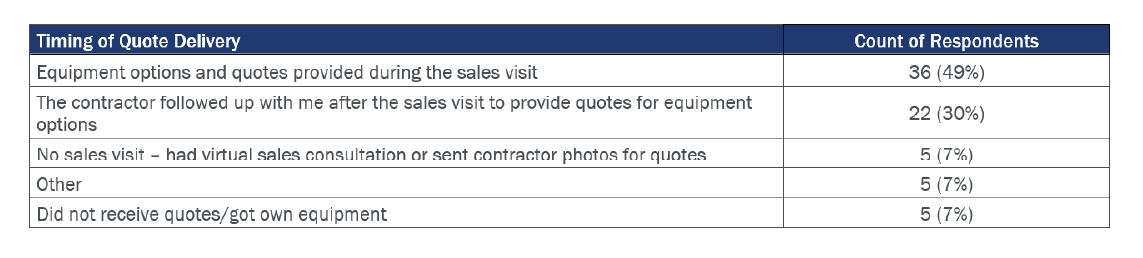
Most HPWH respondents who did not receive their project quotes at the time of the sales visit reported that their contractor provided them within two days after the visit (19 of 32; 59%; Figure 30). Following the sale visit, the longest a customer reported waiting to receive their project quotes was three weeks (one respondent). Customers whose existing water-heating equipment was broken or failing (8 of 14; 57%) were more likely to receive their quotes within one day after the sales visit than respondents who replaced a functioning system (5 of 18; 28%). On average, it took contractors three days after the home visit to follow up with project quotes.
Figure 30. Timing from Sales Visit to Receipt of Quotes (n=32)
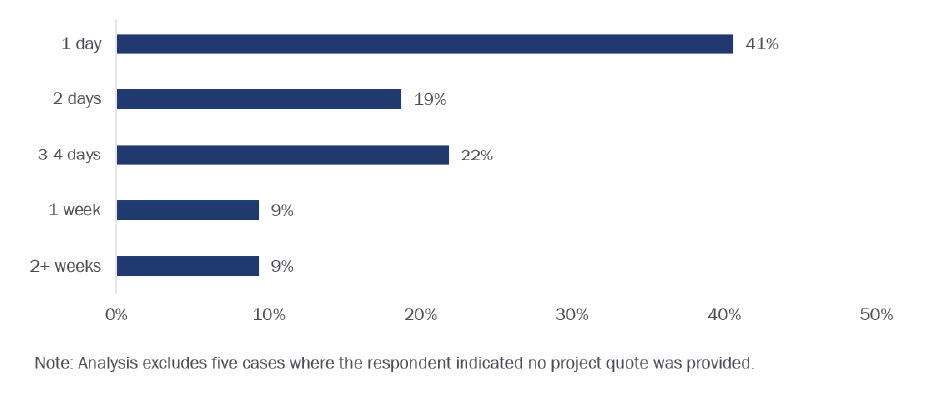
Like HVAC, most HPWH customers (54 of 73; 65%) did not encounter any issues when finding a contractor for their project (Table 17). Among customers who reported a challenge, the most common issues related to communicating and/or scheduling (six respondents) and limited contractor knowledge about heat pumps. Communication or scheduling issues were typically blamed on the busyness of the season at the time. One customer explained that when looking for a contractor, the first estimator was unknowledgeable about HPWHs, so they had to have a second person come out to assist with the equipment quote. This person then added that a third individual had to visit the home on a separate second occasion to confirm the electrical needs of the project. Other reported challenges included issues with equipment incentives (two respondents) or their utility (one respondent; unspecified), determining the equipment’s location (one respondent), and some contractors would only install water heaters purchased from them. In contrast to HVAC findings, only one of the customers who reported issues with limited contractor knowledge about heat pumps or equipment rebates participated in TECH Clean California.
Table 17. Challenges Encountered When Finding a Contractor (n=73)
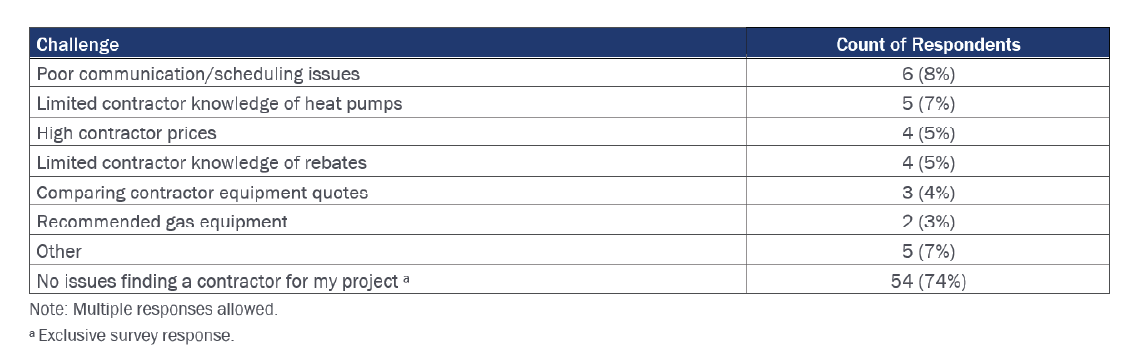
Selecting Equipment
Most HPWH customers (50 of 73; 68%) selected their equipment within two days of receiving their project quotes (Figure 31). Over half of respondents (38 of 73; 52%) took only one day to decide on their equipment. Only one-fifth of customers (15 of 73; 20%) reported taking a week or more to select their HPWH. On average, the decision-making process took customers five days. Interestingly, customers whose existing water-heating equipment was still functioning (25 of 39; 64%) were more likely to take only one day to select their new equipment than respondents with a broken or failing system (13 of 34; 38%). The quick decision likely relates to the fact that most of the early replacement customers (26 of 39; 67%) were seeking to electrify their homes and likely knew they wanted a HPWH. On average, customers took five days to select their HPWH.
Figure 31. Length of Time Between Receipt of Quote and Equipment Selection (n=73)
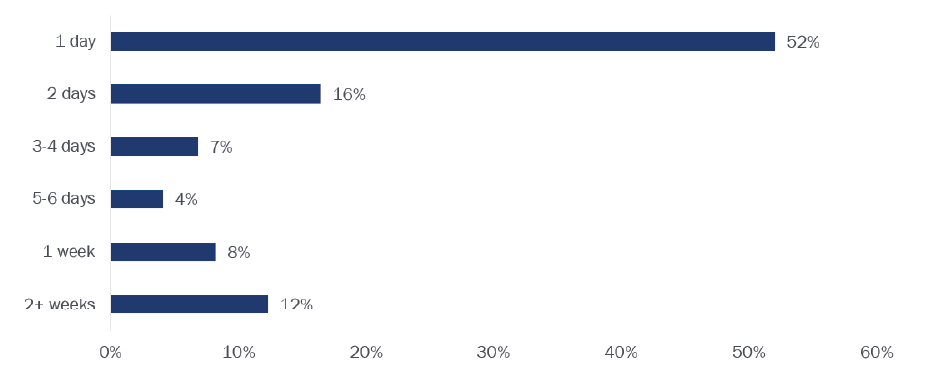
Most HPWH customers (44 of 73; 60%) did not encounter any challenges selecting their equipment (Figure 32). The most common challenges customers ran into when selecting their water-heating equipment related to researching and assessing heat pump performance (eight respondents). These eight looked into frequently encountered operational issues such as noise (four respondents), heating speed (two respondents), longevity of unit (one respondent), and the limited number of customer reviews available for the equipment (one respondent). The other most common challenge reported by customers was research on the latest heat pump technologies (seven respondents), sharing difficulties understanding the technology and what models were most appropriate for their situation. Customers replacing broken or failing equipment (20 of 34; 59%) were more likely to report encountering a challenge when selecting their equipment than respondents who replaced functioning equipment (9 of 39; 23%).
Figure 32. Challenges Selecting HPWH Equipment (n=73)
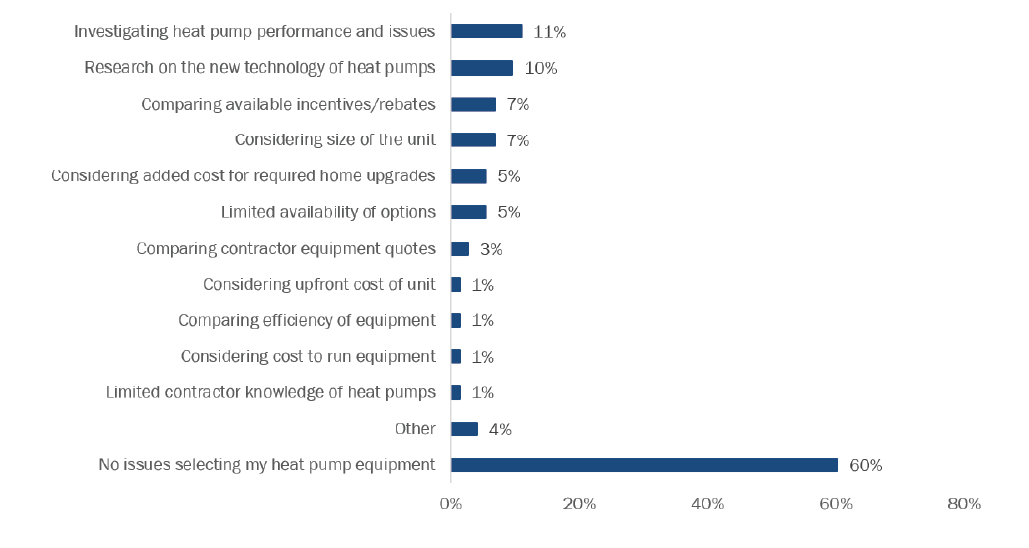
Note: Multiple responses allowed. Other reported challenges included weighing, in general, whether the installation was worth it or not (one respondent), were not in a rush to install because the contractor was able to get their gas water heater working again only to have it fail only a few days later (one respondent), and had to upsize and thus relocate equipment (one respondent). “No issues” was presented as an exclusive survey response.
Home Upgrades
In the survey, we asked customers about four different types of upgrades or modifications that might be required to accommodate a heat pump, these included:
- Utility Service Upgrades: These upgrades are completed by the electric utility provider and involve upgrading the power line capacity to a customer’s home.
- Electrical Panel Upgrades: These upgrades refer to panel replacements, electrical panel optimization (e.g., creating space in a full panel, installing smart circuit breakers, having two devices share one breaker (i.e., load-sharing)), or adding a subpanel.
- Other Electrical Modifications: Other modifications include upgrades not specified above that relate to wiring, outlets, or circuits.
- Other Required Home Upgrades: Other required upgrades refer to non-electrical services that may have been required for the installation, such as relocating equipment, enlarging attic entry, modifying ductwork, adding a condensate line, venting HPWH exhaust, etc.
Modifications or upgrades to wiring, outlets, or circuits were the most common services required to support the HPWH installation (Figure 33). Most HPWH projects (51 of 73; 84%) required additional electrical work, nearly all of which (48 of 51; 94%) involved upgrading or modifying the home’s wiring, outlets, or circuits to accommodate the heat pump. Non-electrical upgrades required to accommodate HPWH projects included work such as duct testing, pipe rerouting, adding condensate lines, adjustments to relocate equipment, and installing a venting exhaust. Projects that replaced functioning equipment (9 of 39; 23%) were more likely to require at least one home modification or upgrade than those that replaced broken or failing equipment (3 of 34; 9%). Notably, HPWH projects (48 of 73; 66%) required these electrical modifications much more frequently than HVAC heat pump projects (21 of 72; 29%).
Table 8 describes single-family HPWH baseline and enhanced incentives. These varied depending upon the existing equipment and the size of the HPWH.
Figure 33. Home Modifications Needed for Install (n=73)
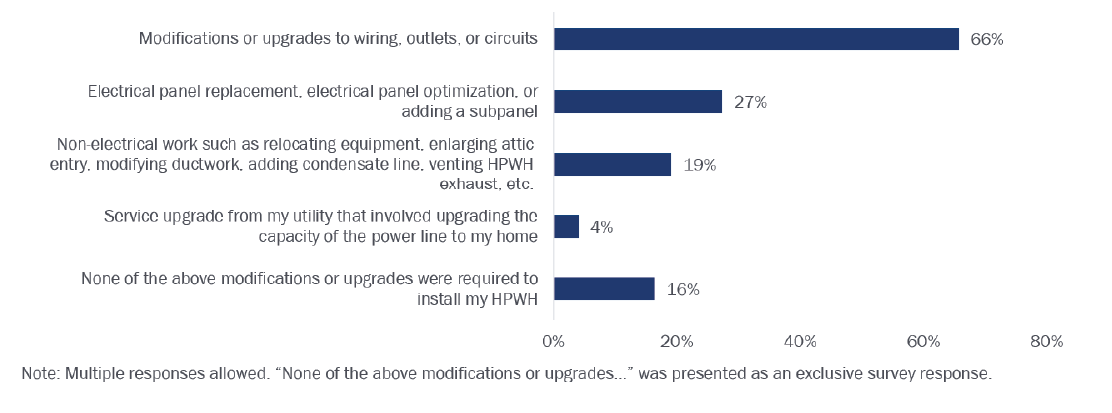
Utility Service Upgrades
Only three HPWH projects required a service upgrade from their utility that involved upgrading the capacity of the power line to their home. Two customers reported the work took between one and three months to complete. The third respondent did not know how long it took. One respondent noted challenges with forms, permits, and the electrician consultation during the service-line upgrade process.
Electrical Panel Upgrades
Like HVAC, panel upgrades for HPWH projects primarily required panel optimization completed by the heat pump installer. Of the 20 HPWH customers who reported their installation required a panel upgrade, over half (11 of 20; 55%) involved panel optimization (Table 18). The second most common upgrade was the addition of an electrical subpanel (five respondents). Most electrical panel upgrades (12 of 20; 60%) were completed by the same company that installed the HPWH. An electrician from a separate company was hired to complete the upgrade for the remaining eight projects, with seven of these customers (88%) reporting they hired the electrician themselves. Most respondents who hired the electrician said the hiring process took at least a week (4 of 7; 57%), two of which took four weeks or longer. The quickest timeline for hiring an electrician was two days (two respondents). One respondent did not recall who completed their home’s panel upgrade.
Table 18. Electrical Panel Upgrade Needed (n=20)

Like HVAC, panel upgrades rarely lengthened the timeline for HPWH projects. Nearly all panel upgrades completed by the same company that installed the heat pump (9 of 12; 75%) did not extend the project timeline. The remaining three respondents said the work only extended their timeline by four days at most, one of which was only lengthened by one day. The eight remaining customers who hired a separate electrician to complete their electrical panel upgrade said the work took up to four days to complete, although half (four respondents) said the work only took one day. Six respondents whose HPWH project required an electrical panel upgrade (of 20; 30%) reported encountering at least one challenge when completing the additional work. Two respondents mentioned the work was done incorrectly; one said a heating component was not wired properly, and this portion of the upgrade had to be completed a couple of months later. The second customer said the contractor had to make a couple of modifications when fulfilling the city’s permitting process. Other challenges included completing the wiring from the garage to the area around the electrical panel (one respondent), relocating the electrical panel to another level of the home (one respondent), and issues finding the same panel type for replacement; this last case was the single respondent whose upgrade delayed their project by one day.
Other Electrical Modifications
Like HVAC, the same company that installed the HPWH typically completed the other electrical modifications, and the additional work rarely extended the project timeline. Most respondents who reported their HPWH installation required other electrical modifications (30 of 48; 63%) said the same company that installed their HPWH completed the work. In nearly all of these cases (27 of 30; 90%), the work did not extend the project timeline, although, in situations where the timeline was extended, customers said it added only one (two respondents) to two days (one respondent). For projects where a separate company was hired to complete the electrical work, over half of customers (10 of 18; 56%) hired the electrician themselves. Most customers who hired the electrician (6 of 10; 60%) reported the process only took one to two days, although three respondents said it took them two weeks or more to hire someone. Only one respondent reported the modifications took four weeks or longer to complete. They did not specify exactly how long the work took but did explain that because they were unable to find an electrician willing to do such a small job, they ended up performing the work themselves. In nearly all cases, the electrician completed the work in two days or less (16 of 18; 72%). The longest reported time taken for an electrician to complete the electrical work was two weeks.
Few respondents reported challenges with these modifications (6 of 48; 12%), half of which (3 of 6) related to identifying additional electrical work that needed to be done, including panel and wiring upgrades. Remaining respondents reported issues with locating or correcting routing (two respondents) or that the additional expenses, that resulted from the electrical work, were a challenge (one respondent).
Other Required Home Upgrades
Like HVAC, the same company that installed the HPWH heat pump typically completed the non-electrical upgrades, and the work rarely extended the project timeline. Nearly all HPWH customers whose projects required a non-electrical home upgrade (15 of 17; 88%) said the same company that installed the heat pump completed the work. In all 15 of these cases, the upgrades took two days or less to complete, 14 of which (93%) only took one day. Most upgrades completed by the heat pump installer (12 of 15; 80%) did not extend the project timeline. The longest this work extended a project timeline by was three days (one respondent). In the two cases where a separate contractor completed the non-electrical upgrades, the heat pump installer hired the contractor for this additional work. Of the two respondents who used an electrician from a separate company to complete the other required home modifications both hired the company themselves. One of these respondents said the required home upgrades added two weeks to the project and the other said it added three weeks. Notably, among HPWH projects that required non-electrical upgrades, installations that replaced functioning equipment (3 of 9; 33%) were more likely to require non-electrical work than projects where the existing water heater was broken or failing (0 of 8; 0%). On average, the non-electrical upgrades took two days to complete.
Most customers (14 of 17; 82%) reported no issues with the non-electrical upgrades, although two respondents said they experienced issues finding the appropriate equipment for their project and one reported a challenge specifically with locating ventilated doors.
Heat Pump Installation
Like with HVAC projects, most HPWH installations occurred at least two weeks after scheduling and customers rarely encountered issues coordinating with the installer. We asked customers how much time passed between when they scheduled the installation and when the contractor came to their home to install the HPWH.[34] Over half of respondents (41 of 73; 57%) reported the installation occurred at least a week later, most of which (26 of 41; 63%) said two weeks or more passed before the appointment (Figure 34). Five customers said over a month passed before the contractor came to their home, the longest duration being five months (one respondent). This respondent reported issues finding ventilated doors so the HPWH could be placed in a closet, which likely contributed to the longer project timeline. On average, HPWH customers waited nine days for the contractor to begin the installation after scheduling. Just over one-quarter of HPWH customers (20 of 73; 27%) said the installation began in four days or less after scheduling. Only two HPWH respondents said they encountered a communication or scheduling issue while coordinating the installation.
[34] Note this timeframe excludes any inspections and/or HERS testing completed after the installation.
Figure 34. Length of Time Between Scheduling Install and Install Start Date (n=73)
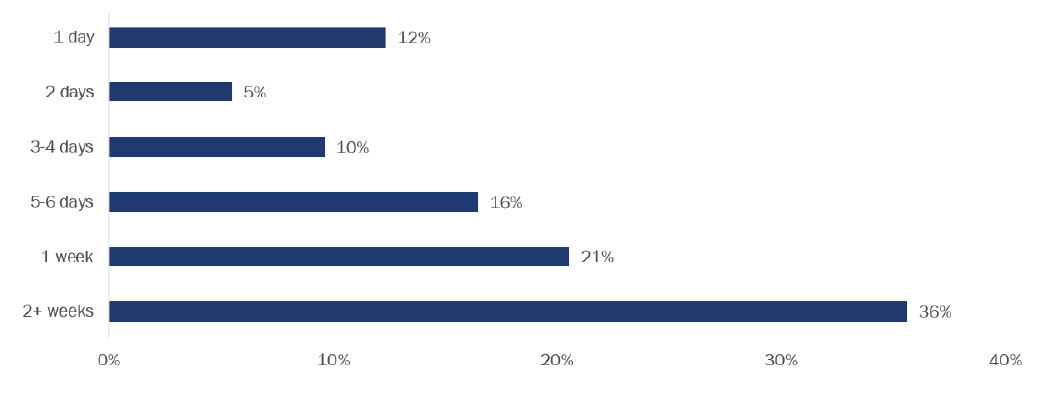
HPWH installations typically took only one day to complete. Nearly three-quarters of HPWHs (54 of 73; 74%) took only one day to install (Figure 35). Only three installations took three days or longer to complete. The longest installation took one week (one respondent). On average, the HPWH installations took one day to complete. HPWH installations incentivized by TECH Clean California were more likely to take only one day to complete (33 of 38; 87%) compared to projects completed as part of the SW Plug Load and Appliances Program (21 of 35; 60%).
Figure 35. Length of Time for Installation (n=73)
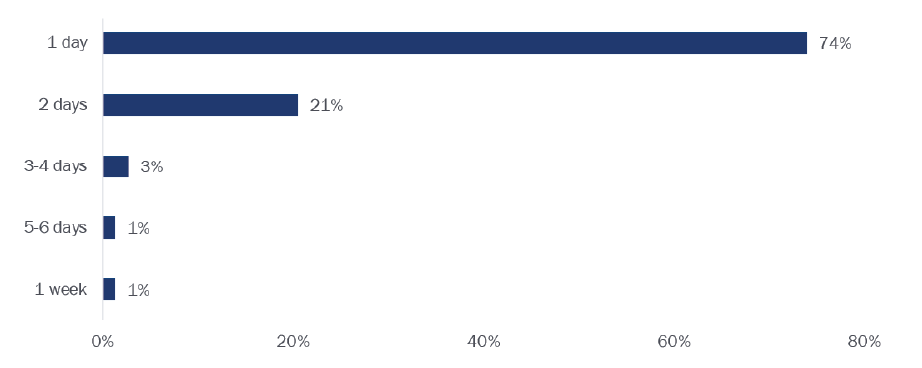
Like HVAC, most HPWH customers (59 of 73; 81%) encountered no challenges during their installation. Among those who did encounter a challenge during the installation, the most common were damages or issues as a result of the installation (Table 19). Half of the damages that resulted from the installation were related to a leak of some sort (four respondents). Two were unspecified leaks and one was a pipe leak. The fourth respondent shared that this was their contractor’s first time installing a HPWH, and that they 1) did not expose the condenser drain correctly and 2) moisture got into the leak sensor tubing and had to be blown out to avoid larger operational issues. All other damages were related to errors made by the contractor during installation, such as a valve installed backward and the incorrect installation of a heating element. Respondents who reported encountering home upgrades as an installation challenge mentioned needing to relocate their equipment (one respondent) and unspecified circuit breaker issues (one respondent). One respondent reported each of the following other challenges: the inconvenience of needing to provide the contractor with site access, difficulties figuring out the proper hookup and setup, and plumbing work in general.
Table 19. Challenges Encountered During HPWH Installation (n=73)
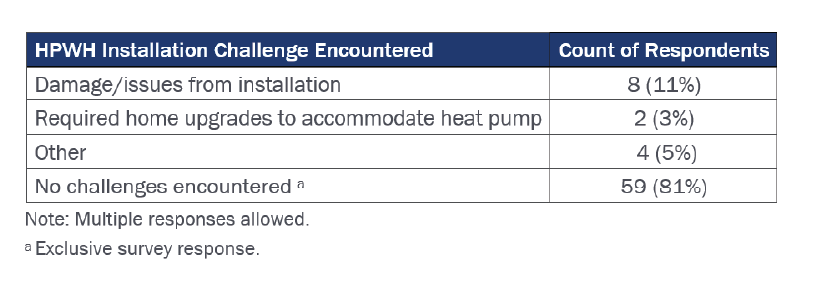
Like HVAC, HPWH respondents typically waited at least a week for inspections and/or HERS testing. When asked how long they waited for inspectors or HERS testers to come to their home and complete their inspection, over one-third of HPWH customers (26 of 72; 36%) said this process took more than two weeks to complete after the installation (Figure 36). In three cases, this process took at least five months, with the longest reported duration being eight months (one respondent). Contrastingly, about one-third of respondents (23 of 72; 32%) reported that inspections and/or testing took four days or less. On average, the process took six days.[35] Six respondents indicated no inspection had been done to date.
[35] One “Don’t know” response and six responses that indicated the inspection had not yet taken place..
Figure 36. Length of Time Between Install and Inspection/HERS Testing (n=73)
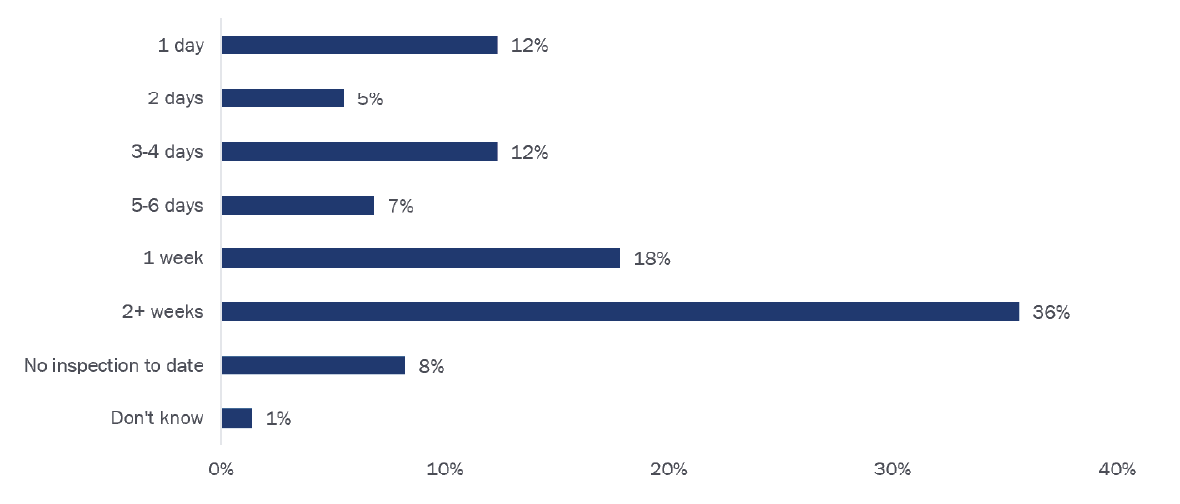
Most projects took two weeks or less to complete, particularly those where the heat pump replaced broken or failing equipment. We asked customers to estimate how long their project took to complete, beginning with when they first contacted a contractor to when their installation was complete. Overall, half of HPWH projects (37 of 73; 51%) took two weeks or less to complete, half of which (22 of 37; 59%) took a week or less. Nearly one-fifth of HPWH projects (13 of 73; 18%) took two months or more to complete. The longest a HPWH project took was seven months to complete. This respondent explained they had to wait for something they referred to as “energy credits” to get approved which delayed the project; otherwise, the project would have been completed within a couple of months. On average, customers reported the project took 32 days to complete.[36] As displayed in Figure 37, projects in which the heat pump replaced a broken or failing system were more likely to be completed on a shorter timeline than projects in which the heat pump replaced a functioning system. Installations replacing functioning equipment were 30% more likely to take at least six weeks to complete than those with broken or malfunctioning equipment.
[36] One “Don’t know” response excluded from calculation.
Figure 37. Total Project Completion Time by Replacement Situation (n=73)
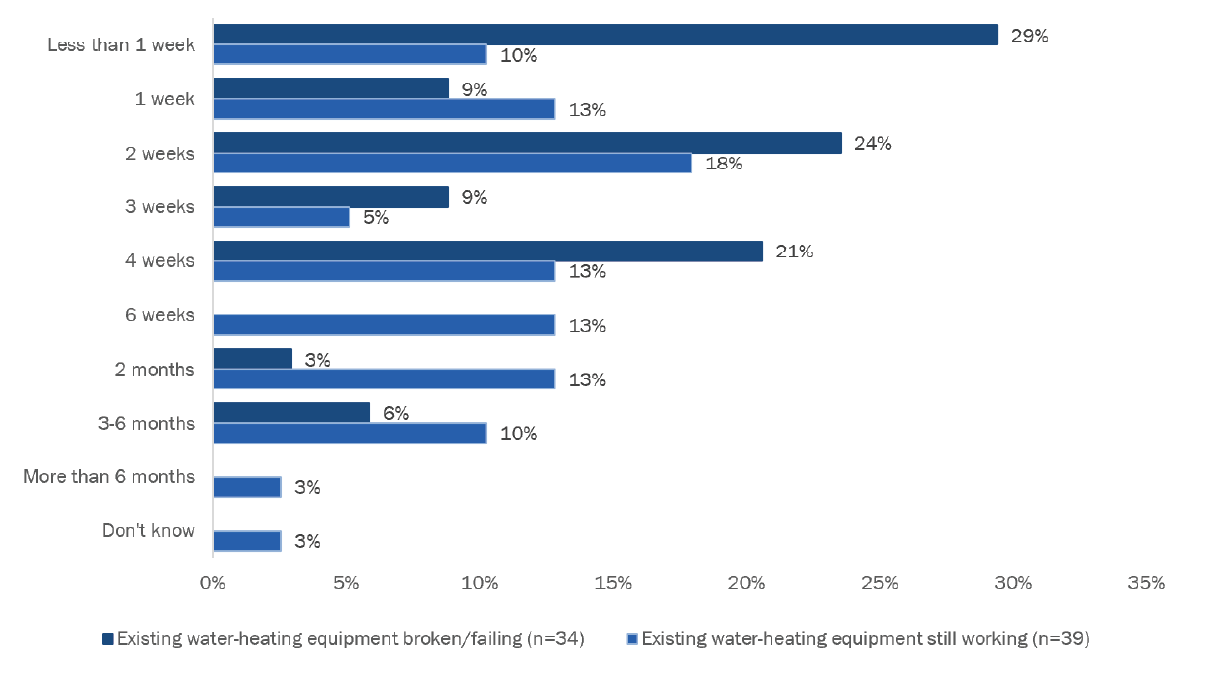
Table 20 provides the average length of time each step in the customer journey process reportedly took.
Table 20. HPWH Timeline Overview
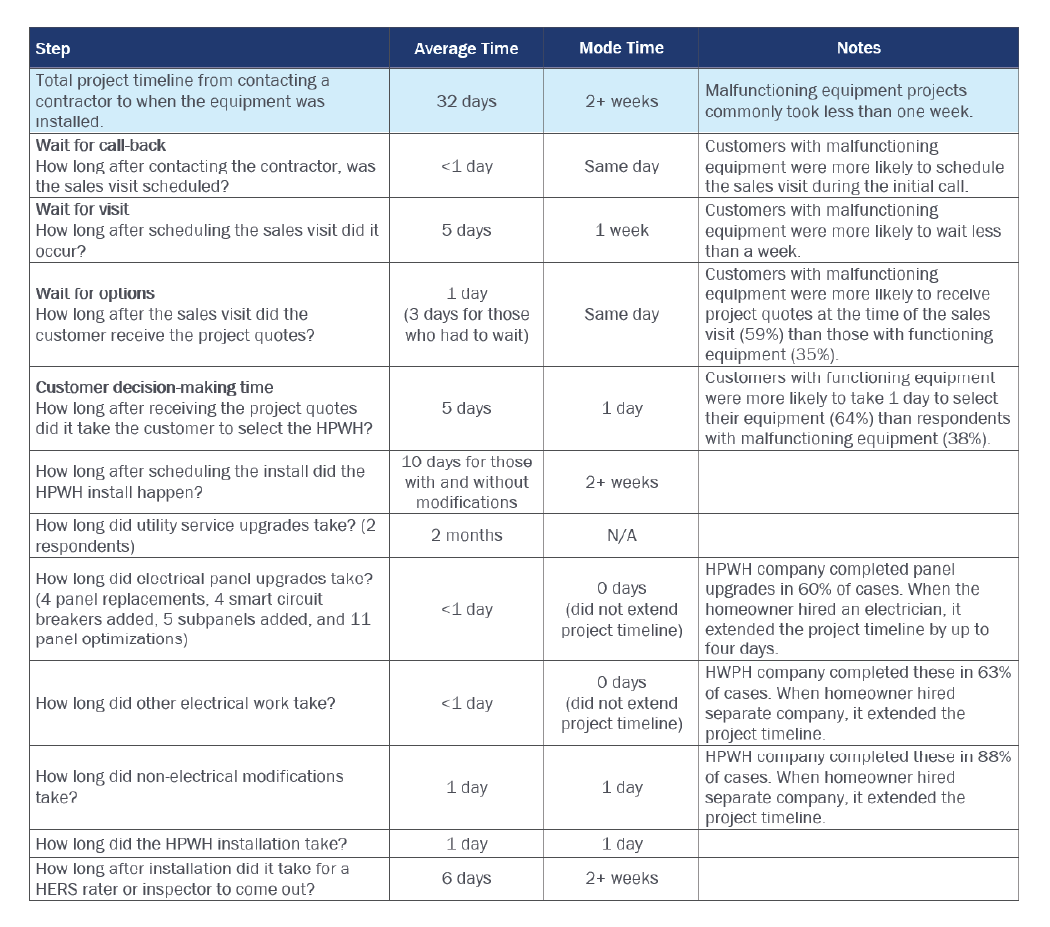
4.2 Spatiotemporal Analysis Findings
Findings from the spatiotemporal analysis are as follows:
4.2.1 Current Spatial Workforce Distribution
Analysis in this subsection is based on data from the Bureau of Labor Statistics (BLS) Occupational Employment and Wage Statistics (OEWS) dataset for employees and the CA State License Board (CSLB) for contractors.
As of 2023, California had approximately 150,000 employees and approximately 65,000 licensed contractors statewide in the key trades that compose the fuel substitution workforce: electricians, HVAC technicians, and plumbers. Both the workforce and number of licensed contractors are largest for electricians, followed by plumbers (Figure 38). As of 2023, most contractors (92%) were licensed in just one of the three trades we considered. Among the 8% of contractors licensed in more than one trade, the most common combination was HVAC and plumbing (35% of those licensed in more than one trade and 3% overall). Seventeen percent of the contractors licensed in more than one trade are licensed as an electrician, HVAC, and plumber, but this represents only 1% of all contractors studied.
Figure 38. California Contractors and Employees by Trade in 2023
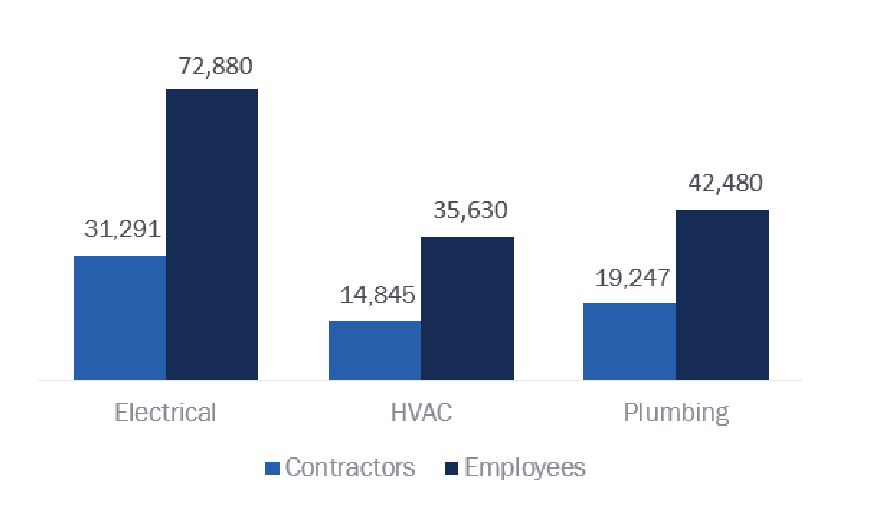
In general, the greatest concentration of employees in the trades is in urban regions, and fewer employees are in rural regions, with suburban regions falling in the middle. This trend is consistent across all three trades, where the Los Angeles, San Francisco, San Diego, and Riverside areas have the greatest number of employees (Figure 39).
Figure 39. Total Employees by Trade and Region in 2023
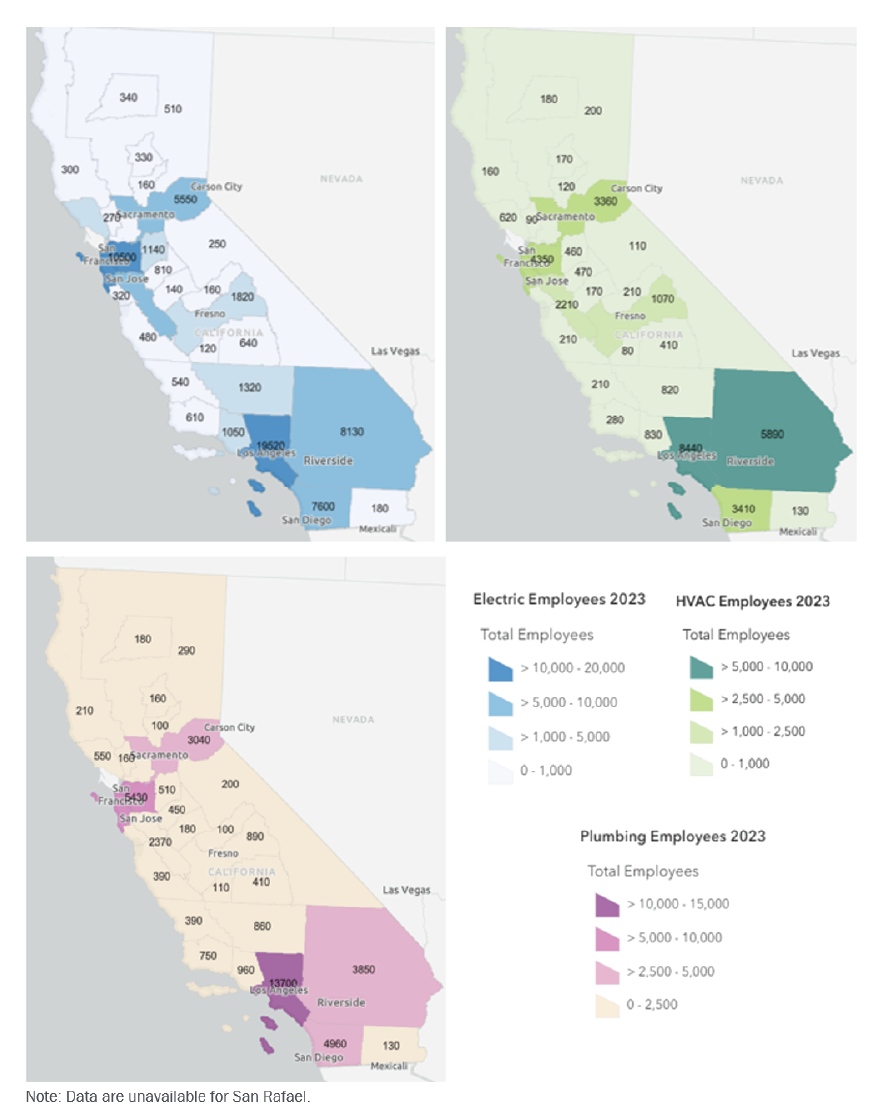
Normalizing the number of employees by the total housing units in each region facilitates comparison of regions with different levels of population density. Figure 40 provides the total housing units by region. Most regions have three to five electricians per 1,000 housing units and three or fewer HVAC technicians or plumbers per 1,000 housing units (Table 21). A similar table showing contractor businesses (including sole proprietorship) per 1,000 housing units shows that Electrician businesses tend to be more prevalent than Plumbing businesses and that HVAC contractors are the most likely trade to only have one or fewer contractors per 1,000 housing units (Table 22).
Table 21. Summary of Regional Employees Per 1,000 Housing Units in 2023
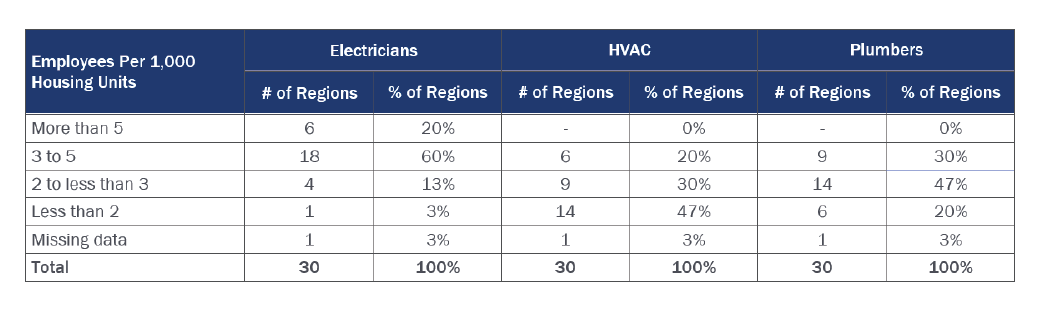
Table 22. Summary of Regional Contractors Per 1,000 Housing Units in 2023
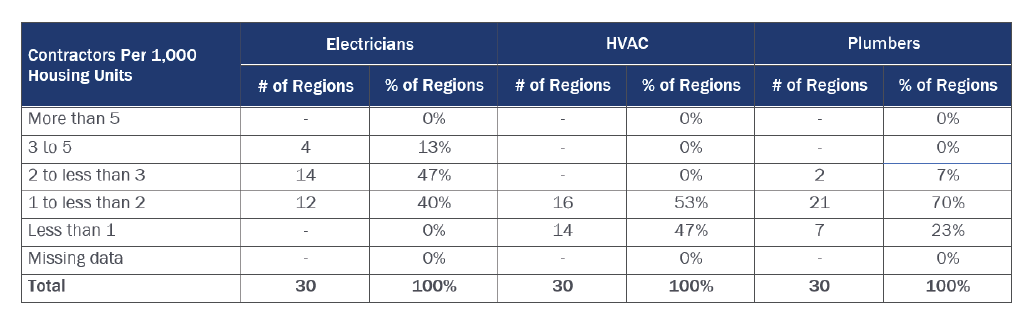
Urban areas tend to have the greatest number of electricians even after adjusting for population density, with the greatest service availability in San Jose (7.1 contractors per 1,000 housing units), San Diego (6.1), San Francisco (5.9), and Sacramento (5.8). Merced is the only region with fewer than two electricians per 1,000 housing units (1.6). Madera has the highest concentration of HVAC employees (4.1), followed by Riverside (3.7) and Sacramento (3.5). Several regions have fewer than 1.5 HVAC technicians per 1,000 households: Salinas (1.4), North Valley (1.4), and North Coast (1.1). Finally, the regions with the highest concentration of plumbers are Santa Maria (4.7) and San Diego (4.0). The regions with the lowest availability of plumbers are Yuba City (1.5) and North Coast (1.4). Across trades, the regions with the highest concentration of employees tend to be urban, but the regions with the lowest concentration of employees can be urban or rural (Figure 41).
Statewide, most contractor businesses have few employees, with 2.2 average employees per licensed contractor across all trades.[37] On average, HVAC contractors have the most employees, and electrician contractors have the fewest. The largest electric contractors are in urban areas, including San Jose (3.9), Fresno (3.2), and San Francisco (3.2). Eastern Sierra reports fewer than one employee per licensed contractor (0.8).[38] The largest HVAC contractors, on average, are in Madera (4.0) and San Francisco (3.9), whereas the smallest contractors are in North Coast (1.3), North Valley (1.3), and Eastern Sierra (1.0). The largest plumbing contractors, on average, are in Hanford-Corcoran (5.5) and Visalia-Porterville (3.9), with the smallest in North Coast (1.0) and Eastern Sierra (1.0). These trends are further explored in Figure 42.
Underlying the data explored in Figure 42, however, are significant geographic disparities in the percent of contractor businesses that are sole proprietorships. These disparities, evident in Figure 42, make apparent the predominance of such businesses in the north and east of the state. For some regions, the Electric and Plumbing contractor fields in these two geographies feature sole proprietorships as nearly 8 out of every 10 contractor businesses. Upon removing sole proprietorship contractors from the overall number yields a significantly different understanding of contractor business size across the state (Figure 43). Broad geographic distribution of contractor size remains relatively similar, but certain regions, due to the high proportion of sole proprietorships jump dramatically (Figure 44). Most notable is the shift in Hanford-Corcoran, which jumped from an average plumbing contractor size of 5.5 to 36.7. Additionally, Redding jumped to 6.1 electrical employees per contractor with the exclusion of sole proprietors. Interestingly, the numbers for electric and HVAC contractors increase but not nearly as dramatically. On the HVAC side, Madera saw a jump from 4 to 13.1 employees per contractor.
[37] We divided the number of employees by the number of licensed contractors per trade in each region to estimate this value.
[38] This is likely due to sources of error in the data or discrepancies such as contractors that are licensed but not active and therefore do not report any employees in a given year.
Figure 40. Total Housing Units in Thousands
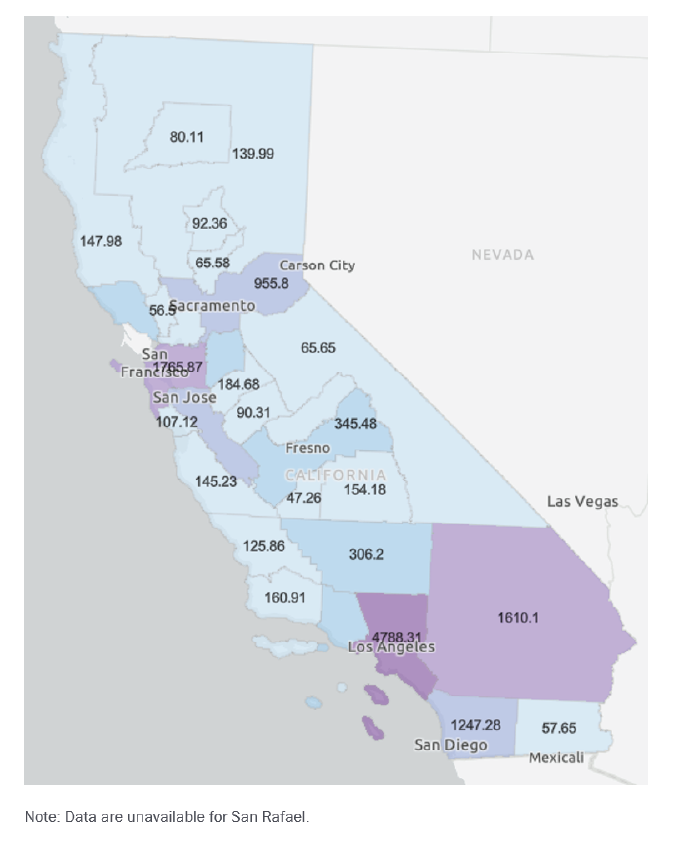
Figure 41. Employees Per 1,000 Housing Units by Trade and Region in 2023
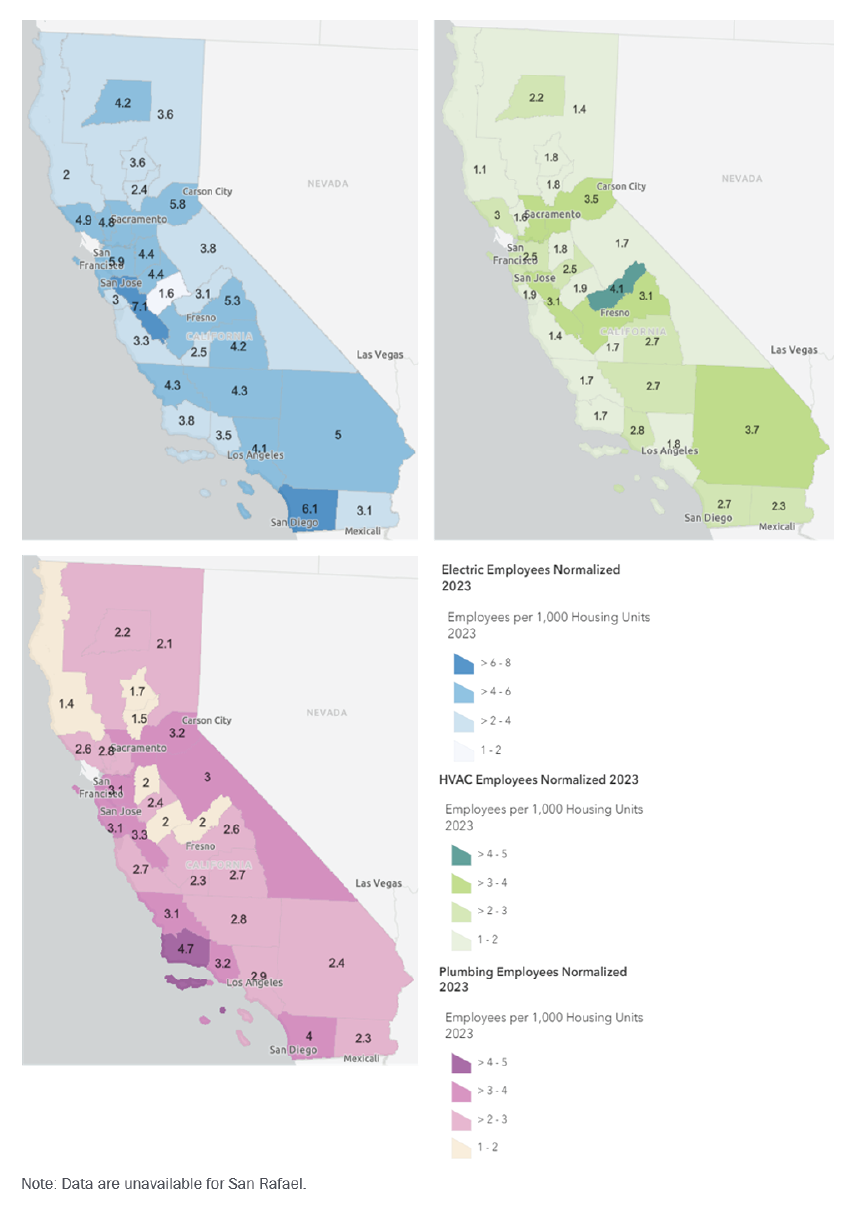
Figure 42. Average Employees Per Contractor by Trade and Region in 2023
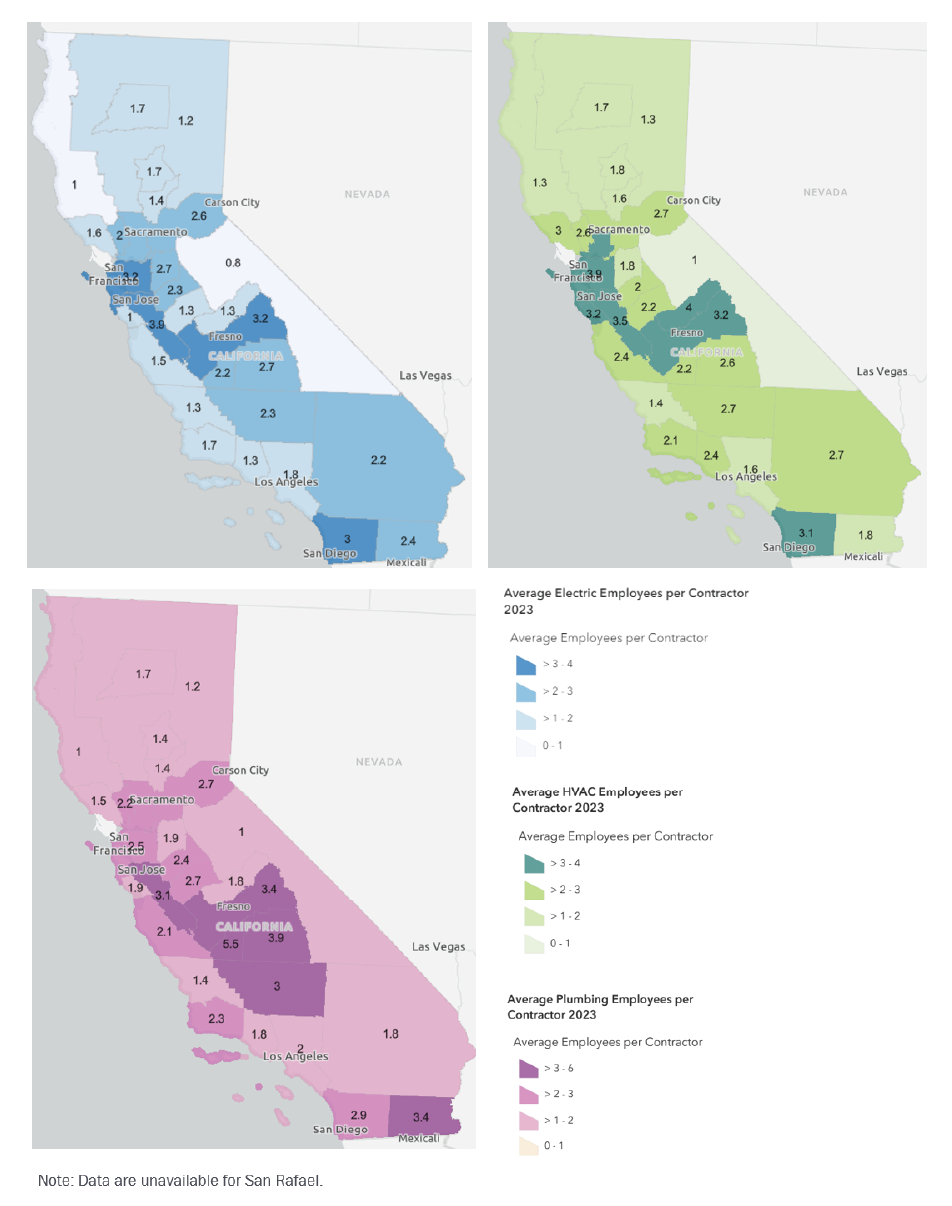
Figure 43. Average Employees Per Contractor by Trade and Region in 2023 After Removing Sole Proprietorship Contractors
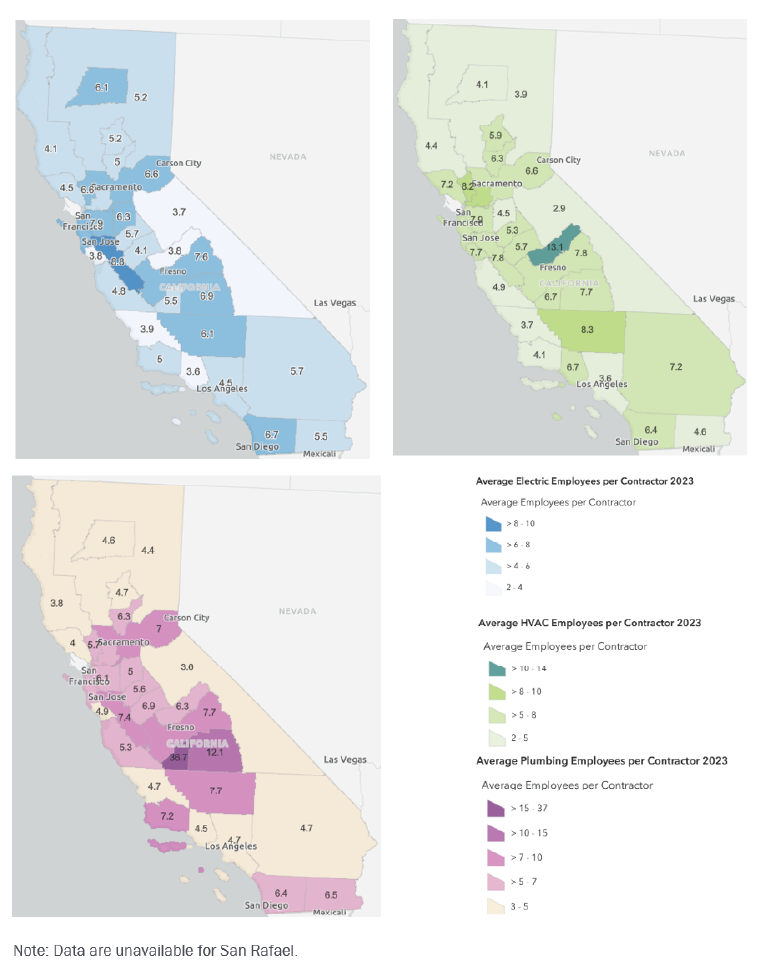
Figure 44. Percent of Sole Proprietorship Contractors by Trade and Region in 2023
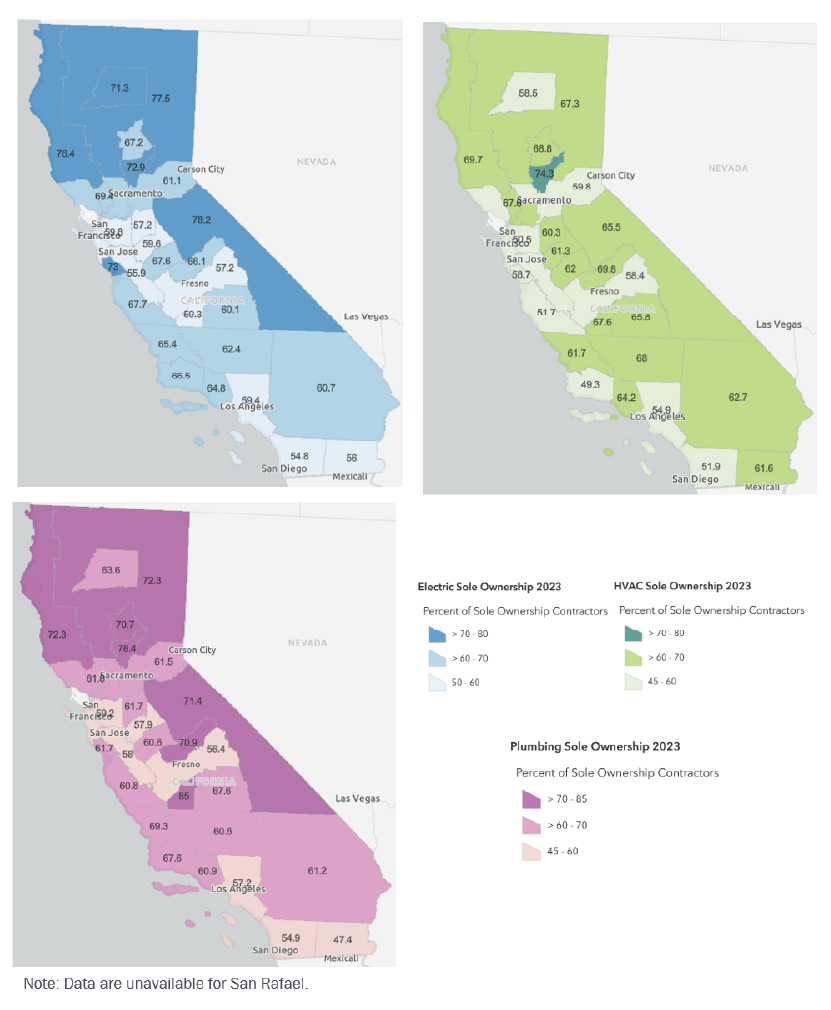
4.2.2 Historical Spatial Workforce Trends
Analysis in this section is based on data from the Bureau of Labor Statistics (BLS) Occupational Employment and Wage Statistics (OEWS) dataset for employees and the CA State License Board (CSLB) for contractors.
BLS data suggests that portions of the fuel substitution workforce are growing while others are declining.[39] There was a 10% increase in electrical and a 29% increase in HVAC employees reported statewide between 2018 and 2023, but a 12% decrease in plumbing employees in the same timeframe. For all trades, there is regional variation in the change in the workforce over time. More than half of regions experienced moderate growth in the number of employees per trade between 2018 and 2023, with 70% experiencing such growth in the HVAC professions. However, about one-third of regions saw more than a five percent decrease in the number of plumbers between 2018 and 2023 (Table 23).
[39] The BLS cautions that the Occupational Employment and Wage Statistics (OEWS) dataset has limitations when used to make comparisons over time due to changes in occupational and geographic classifications as well as underlying OEWS data collection processes and calculation methodologies. Given the lack of alternate comprehensive data sources the study team elected to use the BLS data, but we encourage caution in interpreting the historical analysis of employment trends.
Table 23. Summary of Regional Changes in Employees by Trade, 2018–2023
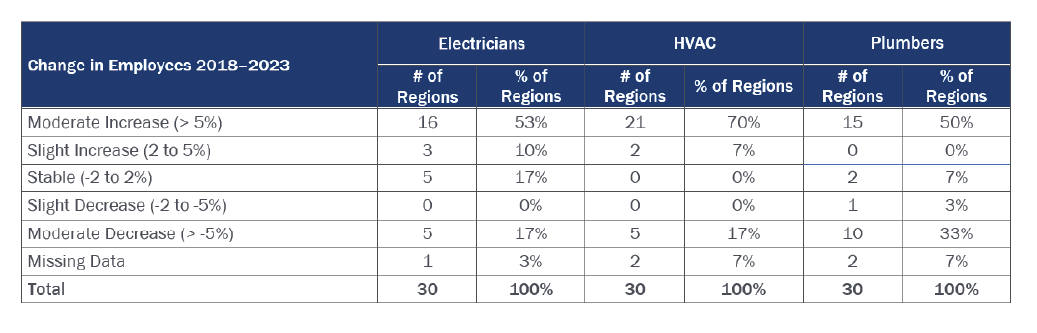
The regional trends in employee growth or decline differ by trade, as depicted in Figure 45.The regions experiencing the most significant change in electrician employees between 2018 and 2023 were Merced (100% increase), Yuba City (78% increase), Santa Cruz (24% decrease), and Vallejo-Fairfield (29% decrease). The regions experiencing the most significant change in HVAC employees between 2018 and 2023 were Redding (125% increase), Yuba City (100% increase), and Chico (35% decrease). Finally, the regions experiencing the most significant change in plumbing employees between 2018 and 2023 were Madera (150% increase), Oxnard (22% decrease), Riverside (26% decrease), and San Francisco (27% decrease).
Figure 45. Percent Change in Employees by Trade and Region, 2018–2023
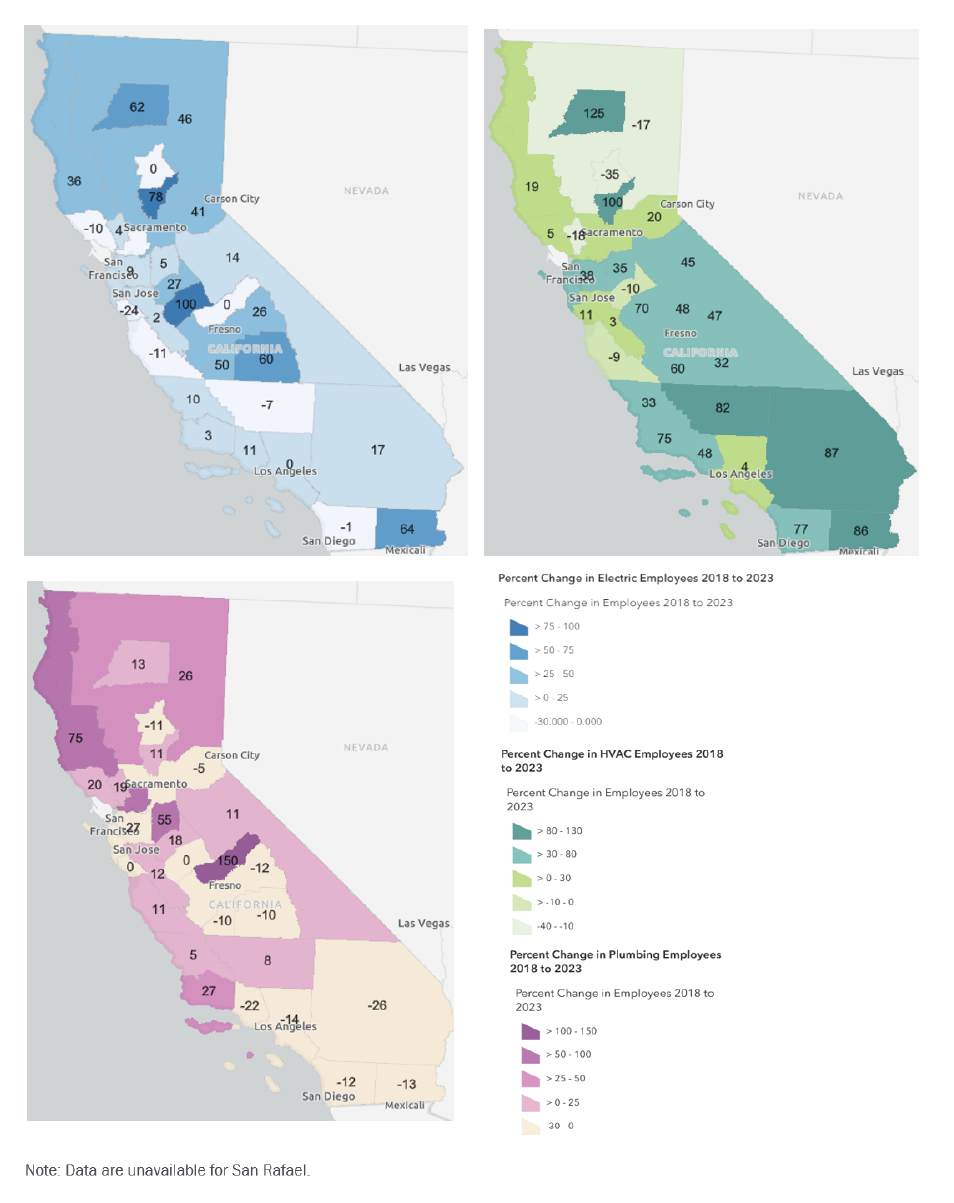
The number of licensed contractor businesses in each trade remained relatively stable statewide over the study timeframe with modest growth. We observed a 2.7% increase in the number of licensed contractors across all regions and trades. New opened licenses just slightly outpaced closed ones, with an average of 1.2 new licenses for every closed license among electrician and plumbing contractors, and an average of 1.3 new licenses for every closed license among HVAC contractors. Overall, the number of contractors is more stable than the number of employees. That said, there is still regional variation, with 33% of regions experiencing more than a five percent increase in licensed electrical contractors during the study period, 43% seeing a similar increase in HVAC contractors, and 37% for plumbing contractors. About one in five regions lost more than five percent of their HVAC or plumbing contractors over the past five years, whereas the electrician contractors remained more stable (Table 24).
Table 24. Summary of Regional Changes in Licensed Contractors by Trade, 2018–2023
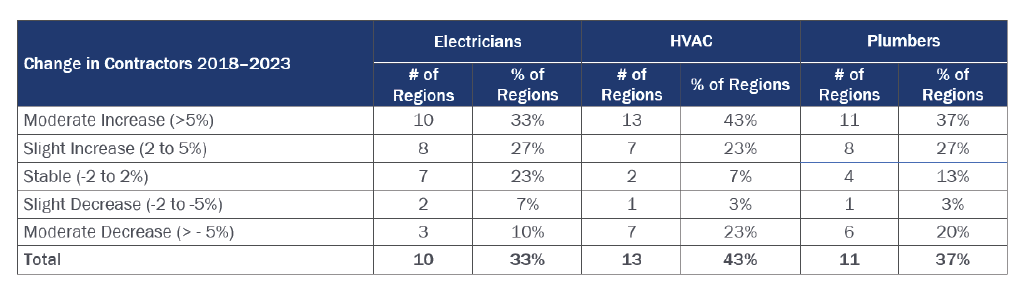
Across trades, the number of licensed contractors grew faster in southern California and some parts of central California, with declines most common in the northern and eastern regions (Figure 46). The most significant changes in licensed electrical contractors were in Fresno (11% increase) and Redding (11% decrease). The most significant changes in licensed HVAC contractors were in Visalia-Porterville (17% increase), San Jose (16% increase), and Eastern Sierra (15% decrease). Finally, the most significant changes in licensed plumbing contractors were in El Centro (16% increase), Merced (14% increase), and Hanford-Corcoran (20% decrease).
Table 3. Survey Respondents by Sector (Multiple Responses Allowed; n=229)
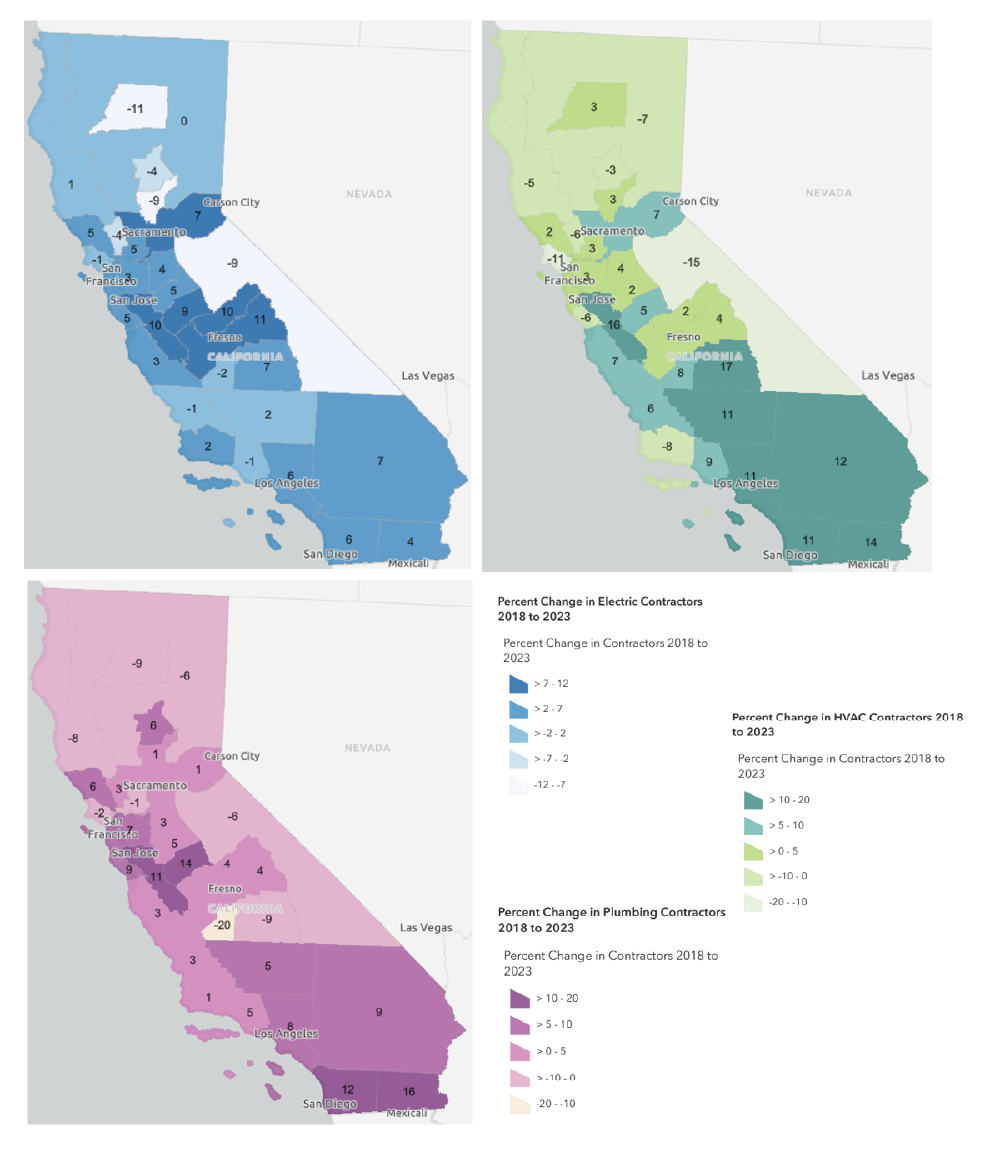
4.2.3 COVID-19 Pandemic Employment and Contractor Analysis
Analysis in this section is based on data from the Bureau of Labor Statistics (BLS) Occupational Employment and Wage Statistics (OEWS) dataset for employees and the CA State License Board (CSLB) for contractors.
The study team also examined trends in fuel substitution employment and licensed contractors coinciding with the COVID-19 pandemic. It is well documented that the COVID-19 pandemic resulted in temporary but substantial increases in unemployment and that these effects varied depending on the sector.[40] To understand these effects on the trades in California, we assessed the change in licensed contractors and reported employees during the pandemic. The number of closed contractor licenses in 2020 and 2021 was comparable to other years for all trades, while there was a modest dip in new licenses in 2021 compared to other years for all trades. Meanwhile, our analysis revealed a modest decrease in electrical (3% decrease) and plumbing (8% decrease) employees between the BLS data reported in May 2019 and May 2020, with a modest increase in HVAC technicians (9% increase). These values reflect regional variation: while some regions experienced an increase in the number of employees between 2019 and 2020, others reported a decrease (Figure 47). That said, the BLS reports that employment figures from the time period surrounding the COVID-19 pandemic are likely to have more error than a typical year, so these figures should be interpreted with caution.[41]
[40] Center on Budget and Policy Priorities. 2021. “The COVID-19 Economy’s Effects on Food, Housing, and Employment Hardships.” https://www.cbpp.org/sites/default/files/8-13-20pov.pdf
[41] U.S. Bureau of Labor Statistics. “Occupational Employment and Wage Statistics Frequently Asked Questions.” Accessed June 24, 2024. https://www.bls.gov/oes/oes_ques.htm#qe1.
Figure 47. Regions Experiencing a Change in Employees by Trade, 2019-2020
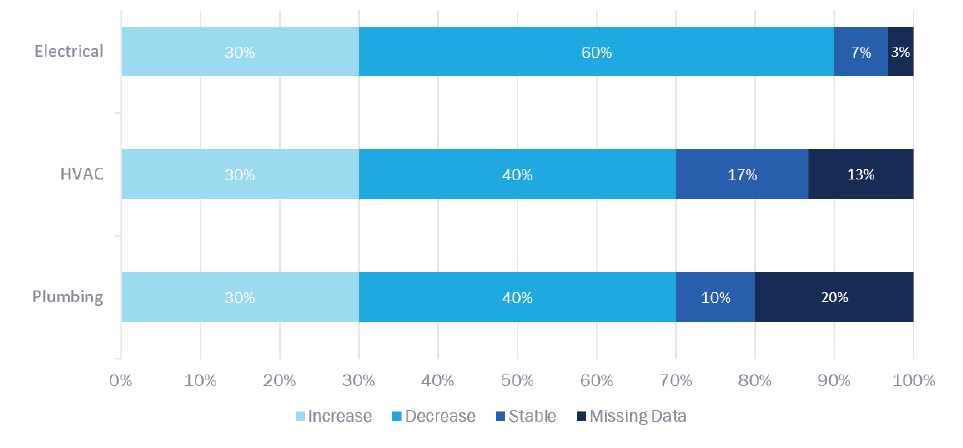
Figure 48. provides a more nuanced view into the statewide patterns in employees lost or gained during the COVID-19 pandemic for each trade. Across all three trades, the central part of the state generally gained employees while the coastal, northern, and southern regions lost employees.
Figure 48. Percent Change in Employees by Trade and Region, 2019–2020
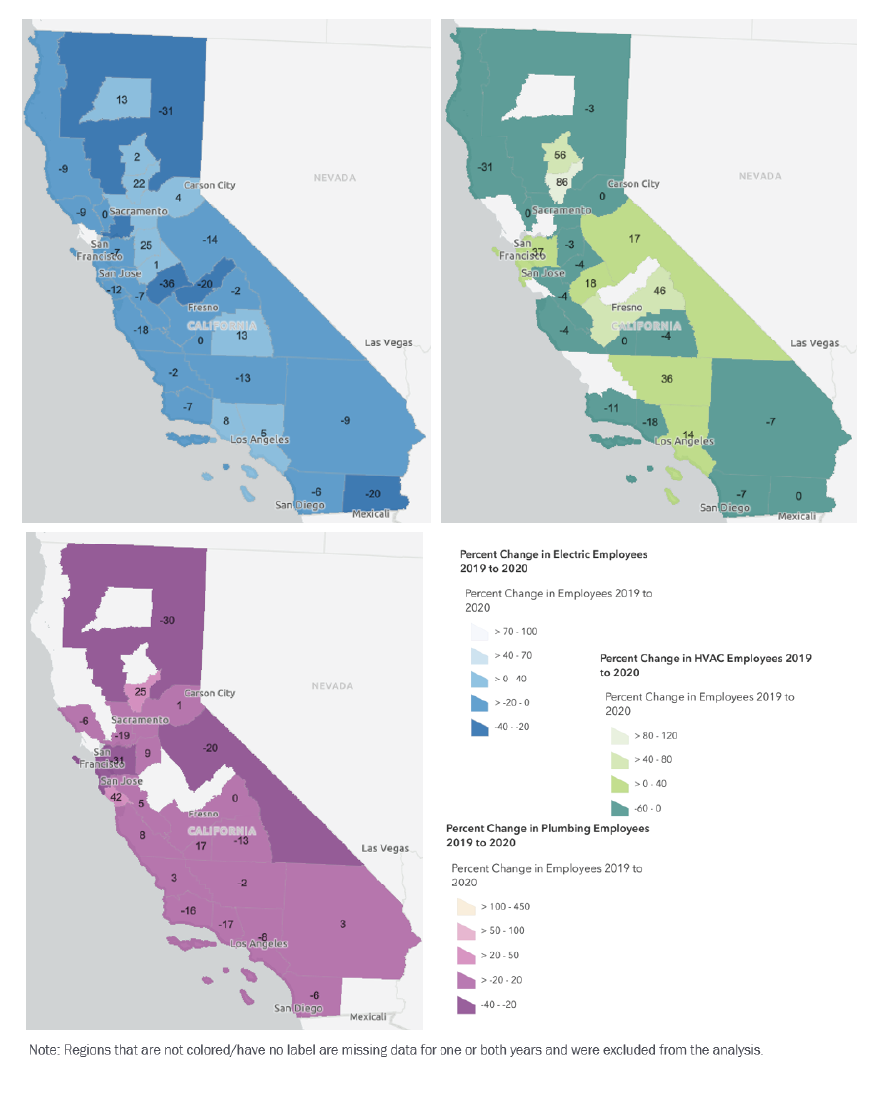
4.2.4 Fuel Substitution Demand Drivers
Several housing and demographic factors are likely to drive market adoption of fuel substitution measures in the short term. Regions with more of these attributes will likely have a greater need for services from electricians, HVAC technicians, and plumbers who do this work in the short term. For this study, we focused on identifying critical regions based on the following factors:
- Median home value (Source: Census data): Regional home prices in California are highly correlated with household income and can provide an indicator of the additional resources that residents may be able or willing to expend on home upgrades.[42] In areas with higher median home prices, we expect more disposable income and the ability to invest that income in home upgrades than in areas with lower median home prices.
- Primary heating fuel (Source: Census data): In regions where relatively more homes are currently heated with fuel oil or propane, there is likely to be greater adoption of fuel substitution measures (in this case qualifying as fuel switching) than in areas with high penetration of electric or natural gas heat, due to the relatively high cost of heating with unregulated fuels.[43]
- Age of housing stock (Source: Census data): Most heating equipment has an effective useful life of 20 to 30 years. In regions where a relatively high proportion of homes were built between 2000 and 2009, we can surmise that homes are at or near the time to replace their heating equipment for the first time.[44]
- Clean Energy Investments (Source: Clean Investment Monitor): Clean energy investments support innovation in areas including battery storage, solar, hydrogen, and wind-based energy, and carbon management. We expect areas with greater energy and manufacturing investments to exhibit greater demand for fuel substitution measures and services.[45]
A spatial analysis of these factors demonstrates that each factor is geographically clustered, but there is no pattern across the attributes. Therefore, there may be different reasons that consumers seek to electrify their homes across the state, and it will be essential to have a sufficient workforce to meet the demand across regions. Median home prices are highest in the coastal urban regions (Figure 49), heating with fuel oil and propane is most prevalent in the northern regions (Figure 50), and housing units that are nearing the time of heating equipment replacement are most prevalent in the inland central and southern regions (Figure 51). Based on data collected by Clean Investment Monitor, there have been over $14 billion in energy and industry investments in California, and many regions in central and southern California have received billions of dollars of energy investments under the IRA and other funding sources to date. Manufacturing investments also fund many areas critical to the energy industry, such as manufacturing solar and battery components. There has been about $6 billion in manufacturing investments in California, with most of this concentrated in the Los Angeles and San Francisco regions (Figure 52).[46]
[42]Based on study team analysis of regional median home values and household income from Census data.
[43] https://www.cell.com/joule/fulltext/S2542-4351(24)00049-7
[44] We use this timeframe due to the measurement increments in the American Housing Survey data. The subsequent category includes homes built very recently that will not be ready for replacement soon.
[45] For this analysis the study team used data tracked through the Clean Investment Monitor which tracks public and private investments in climate technologies across the United States. The database includes technologies that are (or for historical investments, would have been) eligible for Inflation Reduction Act (IRA) tax incentives. https://www.cleaninvestmentmonitor.org/methodology
[46] Clean Investment Monitor. Accessed 6/21/2024. https://www.cleaninvestmentmonitor.org/about
Figure 49. Median Home Price by Region
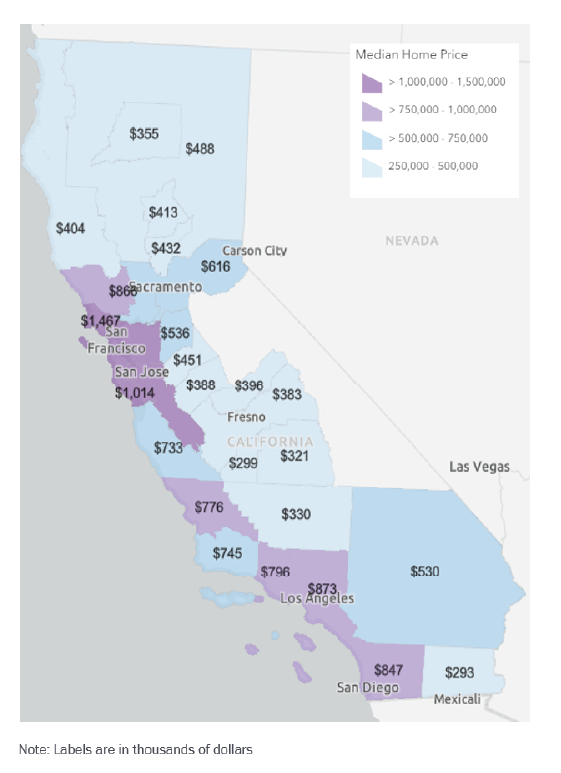
Figure 50. Housing Units Heating with Fuel Oil or Propane
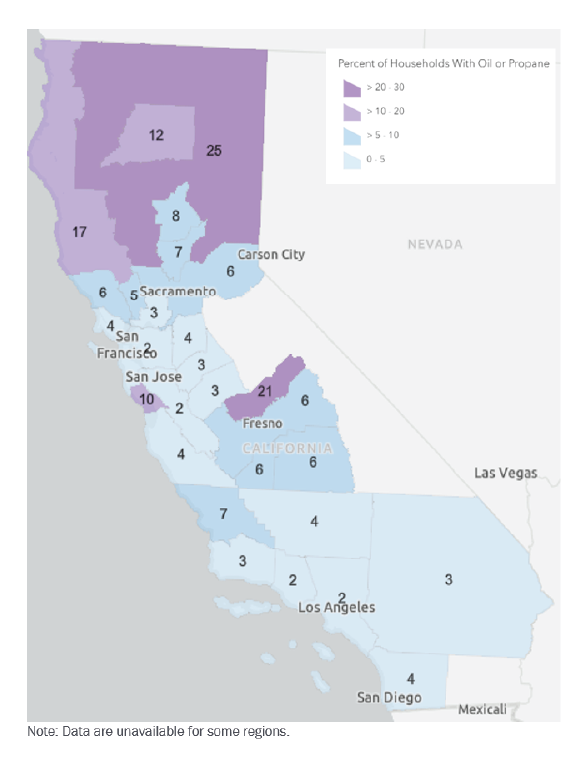
Figure 51. Percent Housing Units Built Between 2000 and 2009
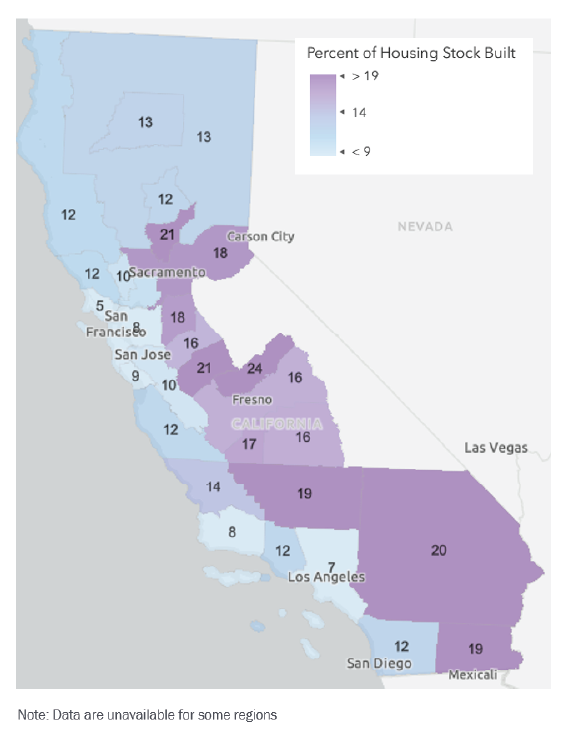
Figure 52. Clean Energy Investments in Manufacturing (left) and Energy (right) in Millions of Dollars
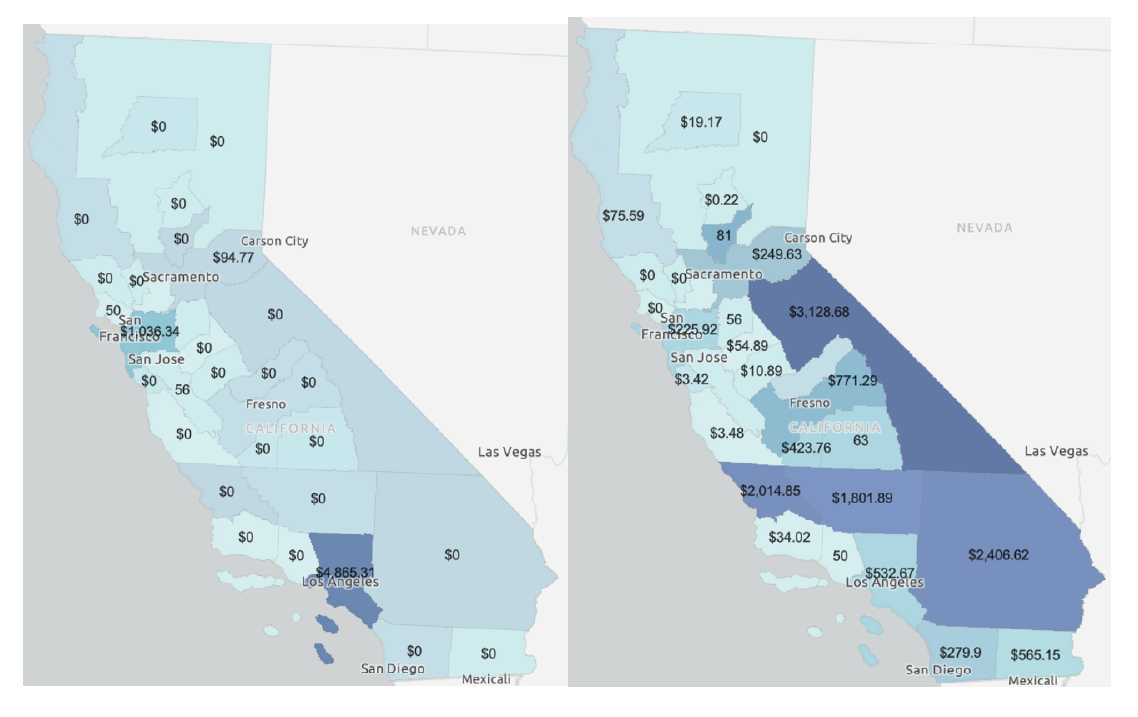
The study team combined information on the median home price, primary heating fuel, home age, and clean energy investments for each region to assess which regions exhibit relatively more or fewer factors likely to drive market demand for fuel substitution. Regions in eastern and southern California tend to score higher across all demand drivers the study team examined. In contrast, regions in the northern and central coastal regions score lower. Overall, the highest-scoring regions with data on all metrics are San Luis Obispo (88%), Sacramento (81%), and Yuba City (81%), and the lowest-scoring regions are Santa Maria (44%) and Vallejo-Fairfield (38%) (Figure 53).
Figure 53. Demand Drivers Summary Score by Region
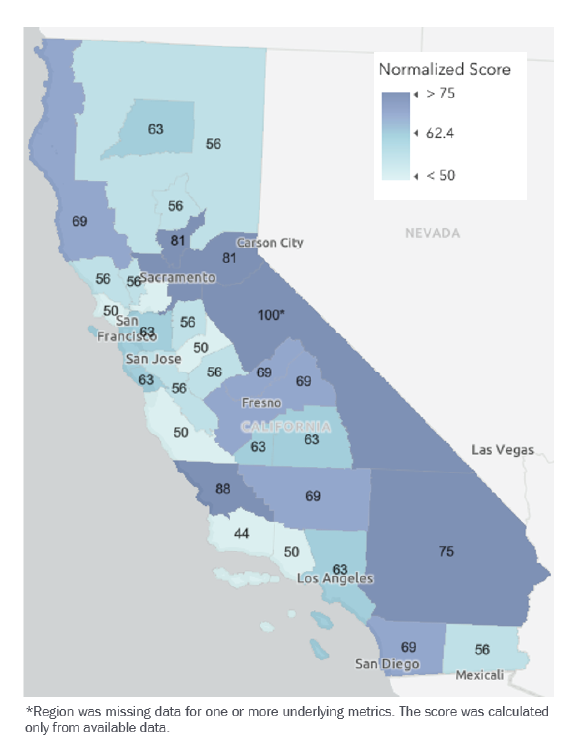
4.2.5 Workforce Supports and Enablers
Just as certain factors are likely to drive market demand for fuel substitution measures and services, some regional trends and resources are likely to better position the fuel substitution workforce. Regions with more of these attributes are likely to be more successful in terms of workforce availability, readiness, and retention. In contrast, we hypothesize that regions with fewer attributes will likely struggle to recruit, train, upskill, and retrain the workforce needed to support mass fuel substitution. The factors we focus on in this study include:
- Population entering the workforce (Source: Census data): Regions with a higher proportion of the population establishing their careers have more opportunities to attract new talent to the trades.
- Training and certifications (Sources: Apprenticeships USA and ESCO): We consider training and specialization opportunities for workers new to the trades and those upskilling or specializing to best support fuel substitution work. Regions with more apprenticeship opportunities are better positioned to support new entries in the workforce as they develop the required skills. Likewise, we expect regions where more contractors have completed ESCO electrician or heat pump exams to have relevant skills to support fuel substitution. While these training and certification data are not an exhaustive representation of training and certifications completed statewide, the study team leverages them as a proxy for workforce participation in and access to these offerings.
- Union support (Source: Department of Labor): Regions where many unions are based or where union membership is high are likely to have better workforce support and to be able to provide protections and other benefits that make the trades an attractive and sustainable career choice.
- Engagement with utility energy efficiency programs (Source: CEDARS database): When contractors and residential customers are already engaged with existing utility energy efficiency programs, we expect engagement to continue with new fuel substitution offerings. Thus, regions with higher energy efficiency program participation, especially for offerings most likely to require contractor support, are better positioned to take advantage of new programs.
Santa Maria (19%), San Luis Obispo (19%), Chico (18%) and Santa Cruz (18%), have a high proportion of their population about to enter the workforce or still establishing their career path compared to other regions (Figure 54).
Figure 54. Percent of Population 15 to 24 Years of Age
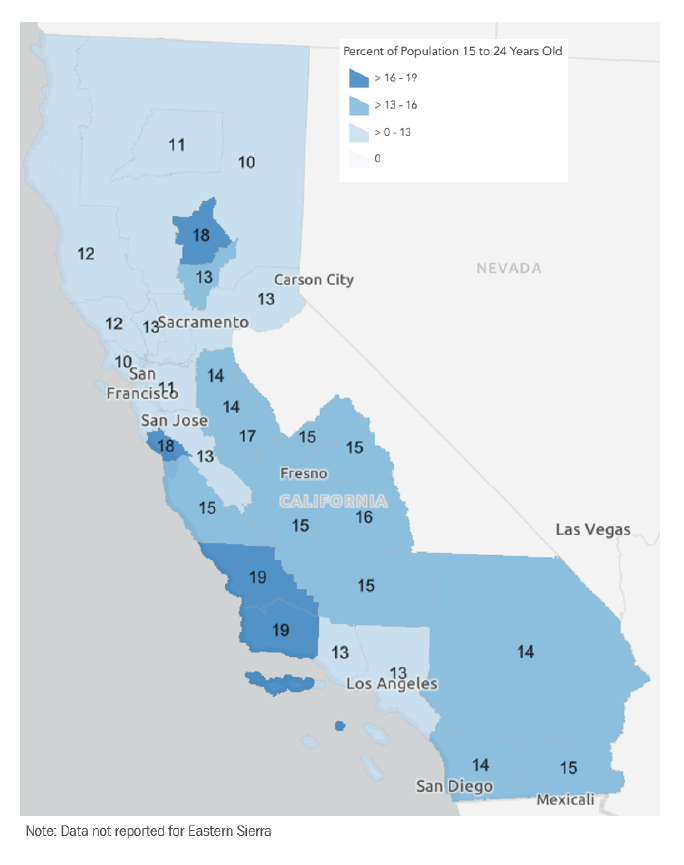
Apprenticeships are an essential tool to support new entries in the workforce who are establishing a career in the trades. As of early 2024, nearly 12,500 apprenticeships were reported statewide for the electrician, HVAC, and plumbing trades. About two-thirds of these were for electrician apprenticeships. HVAC apprenticeships were exceedingly rare and made up less than 1,000 of the total reported apprenticeships in 2023 (Figure 55).
Figure 55. Current Active Apprenticeships by Trade
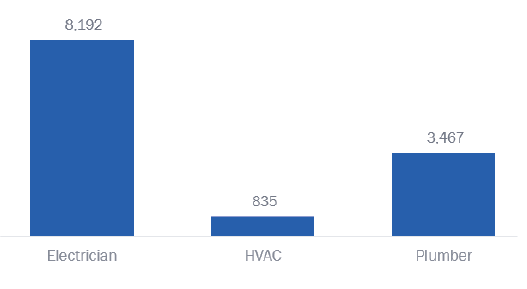
Figure 56 depicts the number of apprenticeships underway for each trade and region. The apprenticeships have been normalized by the current number of trade employees within each region to facilitate comparisons. The regions offering the greatest number of electrician apprenticeships per capita were El Centro (72 per 100 employees) and Merced (32). The vast majority (76%) of counties reporting data offered less than 20 electrical apprenticeships per 100 employees. HVAC apprenticeships are only accessible in the regions surrounding San Francisco, Sacramento, and in Los Angeles. Several counties do not report any data on HVAC apprenticeships, and among those that do, 70% offered three or fewer apprenticeships per 100 employees. Plumbing apprenticeships were most common in Yuba City (27 per 100 employees), Vallejo-Fairfield (14), and Bakersfield (13). While the number of apprenticeships seems small, we estimate they are sufficient to meet existing CA Employment Development Department (EDD) workforce growth projections for this decade for the electrician and plumbing trades in the majority of regions, but likely insufficient for the HVAC trades.
Figure 56. Apprenticeships Per 100 Employees by Trade and Region
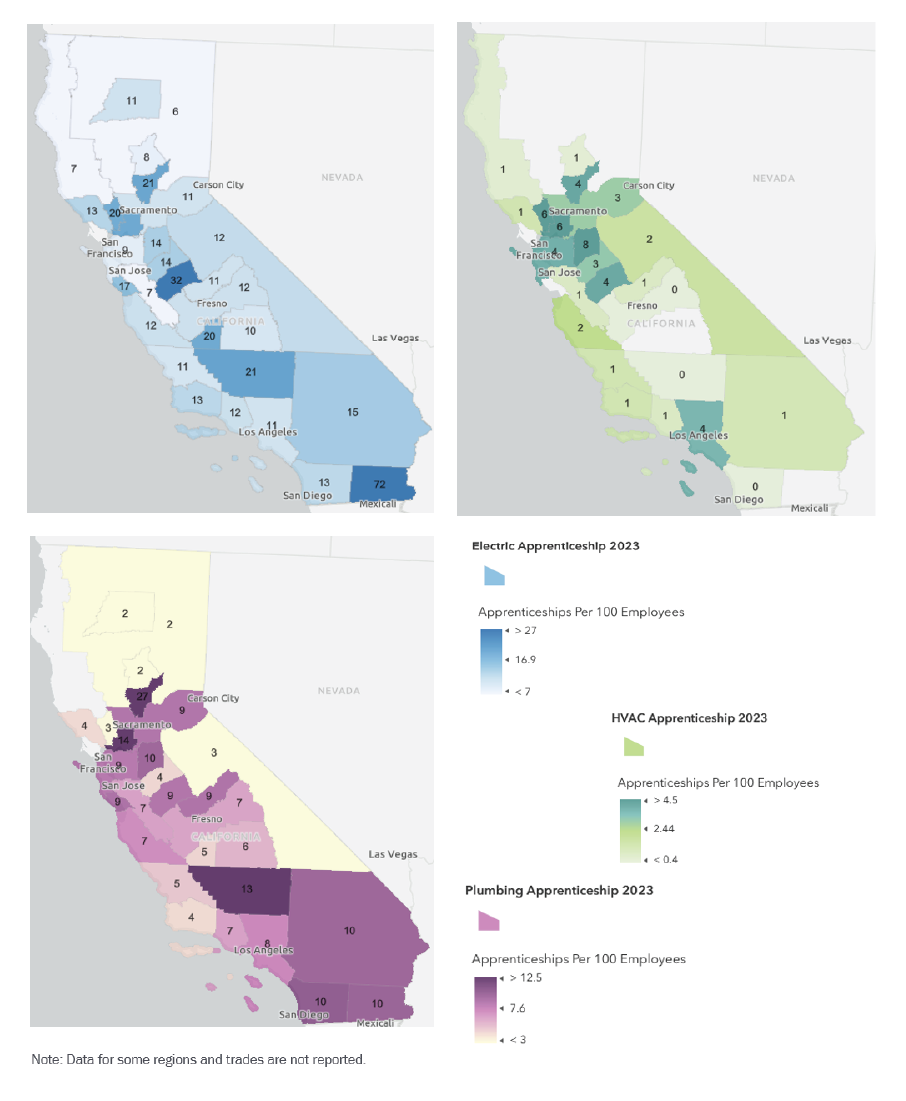
In addition to apprenticeships, ongoing education opportunities and certifications can ensure the existing workforce is prepared to support fuel substitution. ESCO offers exams in various topics to help advance knowledge in the trades in the service of a more sustainable future. The study team assessed the total number of electrical and heat pump exams passed between 2018 and 2023 in each region and found that participation in this continuing education opportunity is rare among electricians and HVAC technicians across the state. About 1,800 total electrical exams and 200 total heat pump exams were completed statewide in that five-year timeframe. The electrical exams are concentrated in a few regions with a large number of employees, including Los Angeles (877 exams), Sacramento (23), and Riverside (229). Most regions (80%) reported fewer than 100 exams or no data in the study period. Most regions (60%) also reported no data or zero heat pump exams over five years, and only three regions reported more than ten heat pump exams: Los Angeles (128), Sacramento (31), and San Jose (15) (Figure 57). ESCO is only one training organization that offers exams and were willing to share their data with us.
It is challenging to assess union membership from a geographical perspective based on available data, which is recorded based on where the union is located and not where the employees work or live. Unions may represent employees in multiple regions, even if they are based in a particular region. That said, it is reasonable to hypothesize that unions are more likely to and better positioned to support members who live and work nearby. With that in mind, there is a notable discrepancy in the availability of union support across the state. Nearly half (47%) of the regions we studied do not have any unions representing electricians. Of the regions with a union for electricians, nearly two-thirds (63%) have just one union. Los Angeles is an outlier with 14 unions that represent electricians. Generally, regions with more unions tend to have more members, and vice versa, with a few exceptions. Half (50%) of the regions we studied do not have any unions representing plumbers. Of the regions with at least one union that represents plumbers, 60% have only one union available to represent all employees. Los Angeles (6) and San Francisco (5) are the regions with the most unions for plumbers. Although, in general, the level of union membership corresponds with the number of available unions, a notable outlier is Sacramento, which has only two unions but nearly 37,000 members. This is even greater than the total number of electricians enrolled in unions in the Los Angeles region (Figure 58).[47]
[47] No data were available on HVAC union representation or membership.
Figure 57. Total ESCO Electrician and Heat Pump Exams Passed by Region, 2018–2023
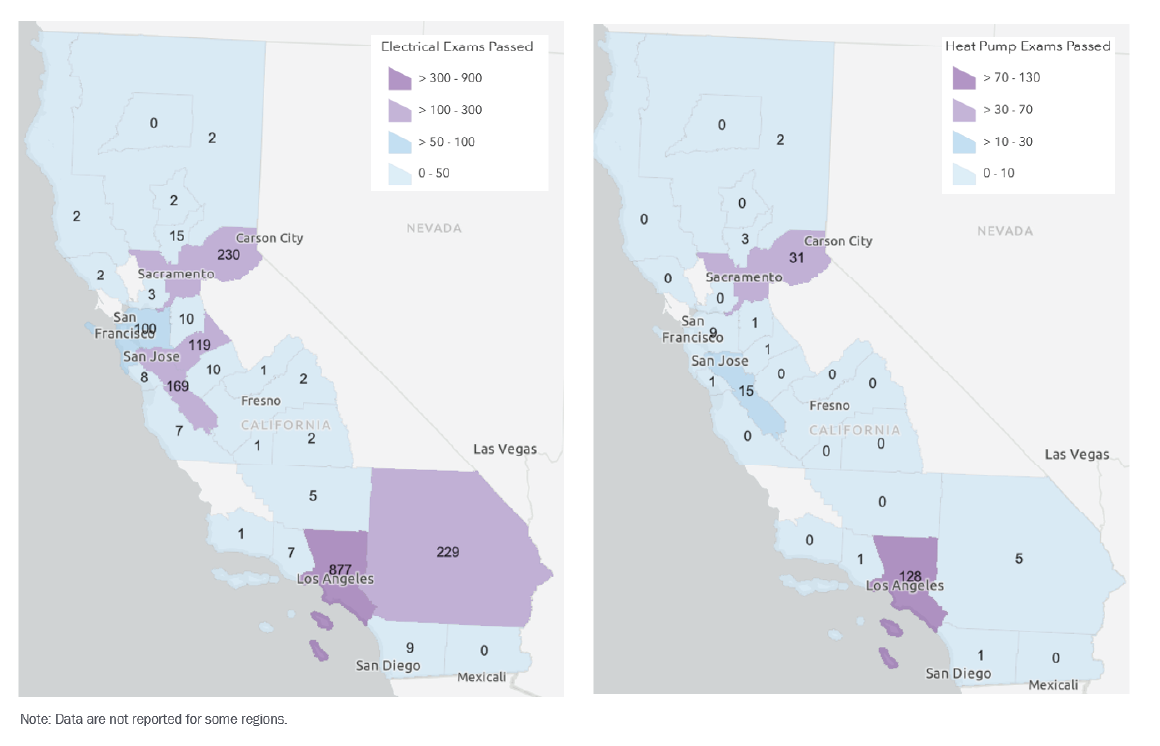
Figure 58. Unions Membership by Region
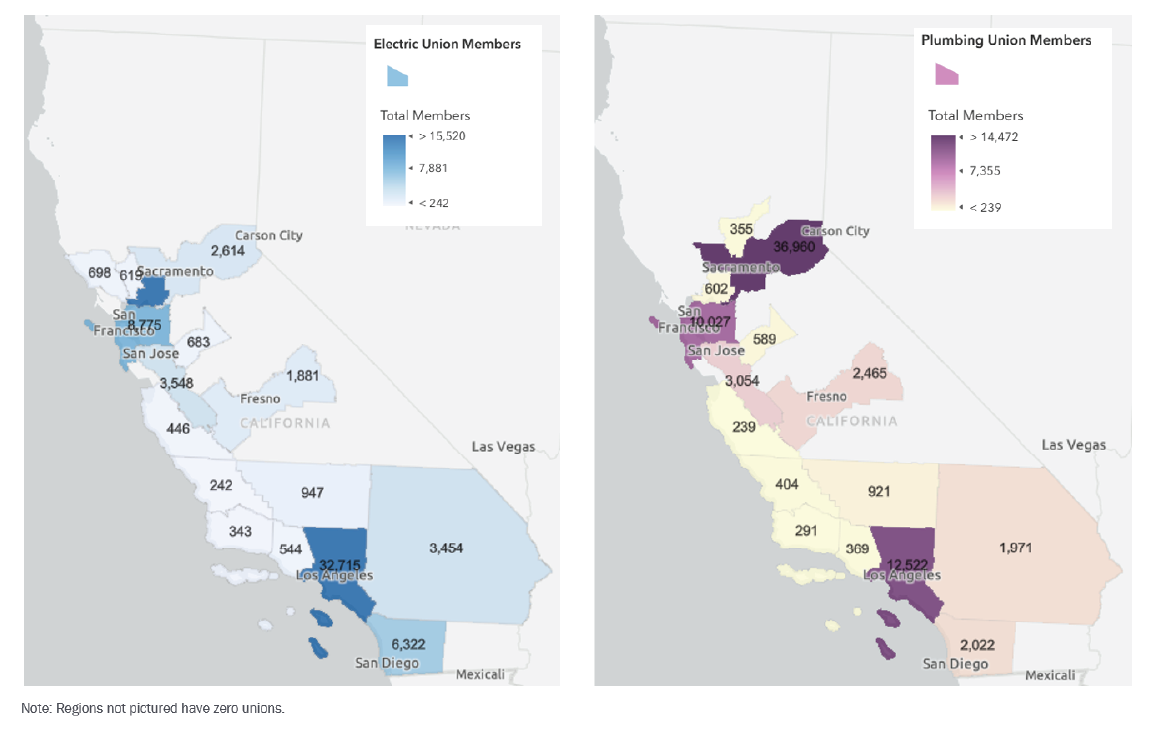
Data about participation in existing energy efficiency programs can tell us about the likelihood of both customers and contractors to engage with these offerings. We examined participation in residential energy efficiency offerings statewide between 2018 and 2023. After accounting for population density, we can observe that consumers and contractors in certain parts of the state have been much more likely than others to engage with such offerings. In particular, Hanford-Corcoran (1,124 instances per 1,000 housing units) and Visalia-Porterville (1,049 instances) have outsize engagements, with the most popular program being RES-EE Kits (58.98% of all energy efficiency program claims for Hanford-Corcoran and 63.69% for Visalia-Portville), followed (distantly) by the Residential Direct Program and Residential Advanced Clean Energy Program in both regions (Figure 60). The lowest participation per capita was in the northern part of the state, including North Coast (28 instances) and Redding (28 instances). While regional differences in participation may in part reflect variation in available offerings, they are likely also to reflect differences in contractor awareness and engagement with utility programs (utility territories overlaid across regions can be seen in Figure 59), differential interest and awareness from customers, and the level of barriers to participation, such as inability to afford up-front costs or a high proportion of renters.
Figure 59. Investor-Owned Utility Territories
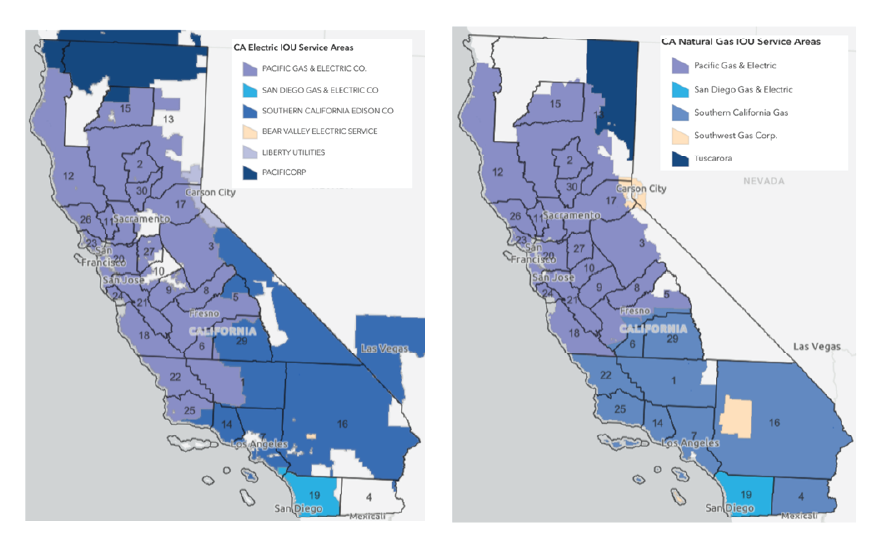
Figure 60. Instances of Utility EE Program Participation Per 1,000 Housing Units by Region from 2018–2023
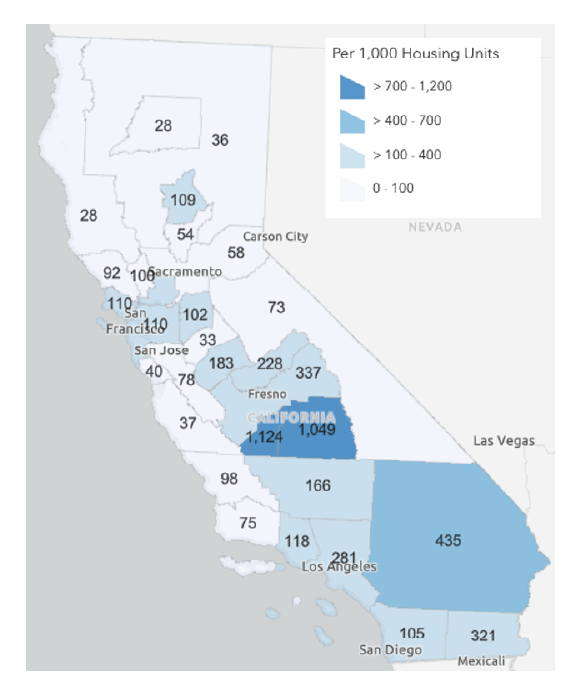
The study team combined information on the population entering the workforce, union membership, apprenticeships, training and certifications, and existing energy efficiency program participation for each region to assess which regions have relatively more or less of these factors that are likely to enable the workforce to successfully grow and support fuel substitution. Regions in central and southern California tend to score higher across all of the workforce supports and enablers that the study team examined. In contrast, regions in the northern, eastern, and central coastal regions score lower. Overall, the highest-scoring regions with available data on at least half of the metrics are Yuba City (96%) and Los Angeles (92%) and the lowest-scoring region is North Coast (35%) (Figure 61.)
Figure 61. Workforce Supports and Enablers Summary Score by Region
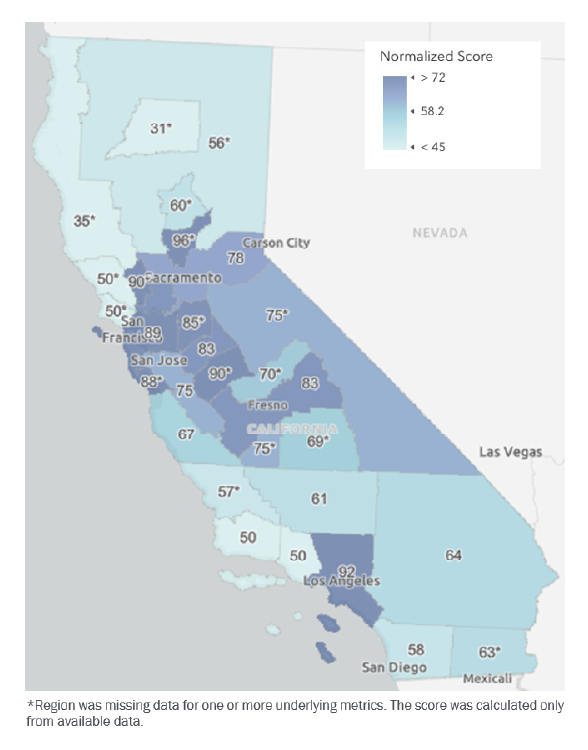
4.2.6 Fuel Substitution and Workforce Areas of Opportunity
Some workforce and population attributes present opportunities for additional consideration and support regarding the available and qualified workforce to support fuel substitution and the market demand for fuel substitution measures and services. This is in addition to the factors already discussed, as we expect that regions with low-demand drivers or poor workforce support are likely to face challenges as well. The study team suggests the following deserve special attention from policymakers and others working to ensure fuel substitution is timely and equitable statewide and explores them further in this section.
- Population exiting the workforce (Source: Census data): Regions where a relatively high proportion of the population is nearing retirement age will likely lose many experienced trades workers in the coming years. It will be essential to ensure enough well-trained new employees replace these workers. To the extent this workforce exit also causes existing contractors to close as they transition to retirement, there may also be a need to foster and support new small businesses in these regions.
- Primary heating fuel (Source: Census data): In regions where a relatively high proportion of homes that heat with natural gas, given uncertain fuel cost savings,[48] there are likely to be fewer short-term incentives to adopt fuel substitution measures. If these homes choose to replace their current equipment with another natural gas system the next time their system is ready for replacement, the window of opportunity to fuel switch will likely close for another 20 to 30 years. It is important to educate and incentivize these customers and the contractors in these regions and to pursue other longer-term strategies to achieve cost parity between natural gas and electric up-front and operational costs.
- Disadvantaged and other vulnerable communities (Source: CalEnviroScreen 4.0): In regions where a high proportion of the population resides in disadvantaged communities, natural market demand for fuel substitution measures and services is likely to be lower, but the importance of identifying and supporting this population to participate in the transition is critical. These regions will also benefit from a robust, well-trained, local workforce that is trusted in their community, culturally competent, and can serve limited English-speaking households. We recognize that California’s current plans for funding through the Inflation Reduction Act (IRA) Home Energy Rebates programs (and the required community benefit plans) will tackle these barriers. The Home Electrification and Appliance Rebate (HEAR) program is specifically designed to incentivize heat pump and other appliance adoption by residents of low and moderate incomes.[49] This will potentially assist with building a demand “pull” on fuel substitution measures in disadvantaged communities. Meanwhile, while the state has not released its final plans for its allocated formula funding through the IRA Training for Residential Energy Contractors (TREC) program, such plans may additionally address the workforce needs of disadvantaged and other vulnerable communities in line with Federal Justice40 requirements.[50]
In general, regions in northern California have a higher percentage of the population at or near retirement age than other parts of the state. The regions with the highest proportion of the population between 60 and 64 years old are North Valley (9%), North Coast, Napa, San Rafael, Vallejo-Fairfield, and Santa Rosa (all 7%). Isolated regions in the southern part of the state with a high proportion of the population in these age groups include San Luis Obispo (7%) and Oxnard (7%) (Figure 62).
[48] https://www.cell.com/joule/fulltext/S2542-4351(24)00049-7
[49] https://www.energy.gov/scep/home-electrification-and-appliance-rebates
[50] https://www.energy.gov/scep/training-residential-energy-contractors-grants-formula
Figure 62. Percent of Population Exiting the Workforce
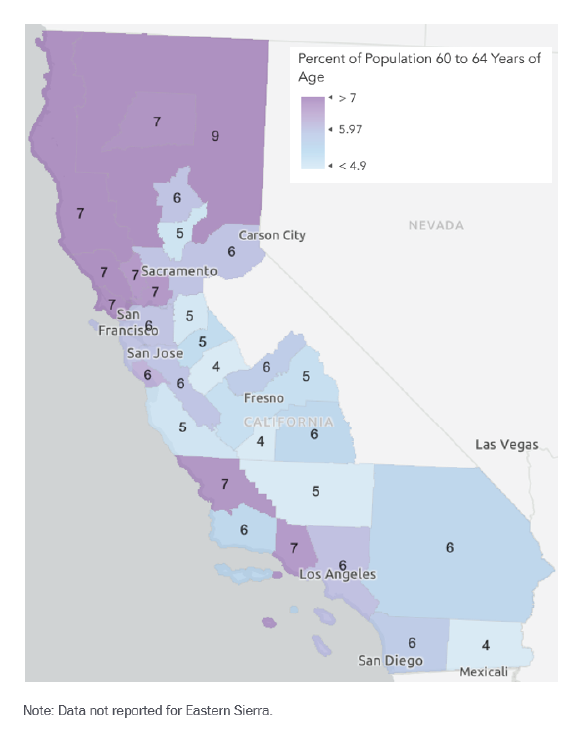
In many parts of California, over half of the housing units are heated primarily with natural gas. The percentage of homes heating this way is lowest in the northern part of the state, where fuel oil and propane are more prevalent but widespread nearly everywhere else. The highest incidence of natural gas heat occurs in Hanford-Corcoran (72%), Oxnard (71%), and Riverside (69%). It is worth noting that the percentage of households heating with natural gas is over half in four out of five (79%) regions with available data (Figure 63).
Figure 63. Percent of Housing Units with Natural Gas as Primary Heat Source
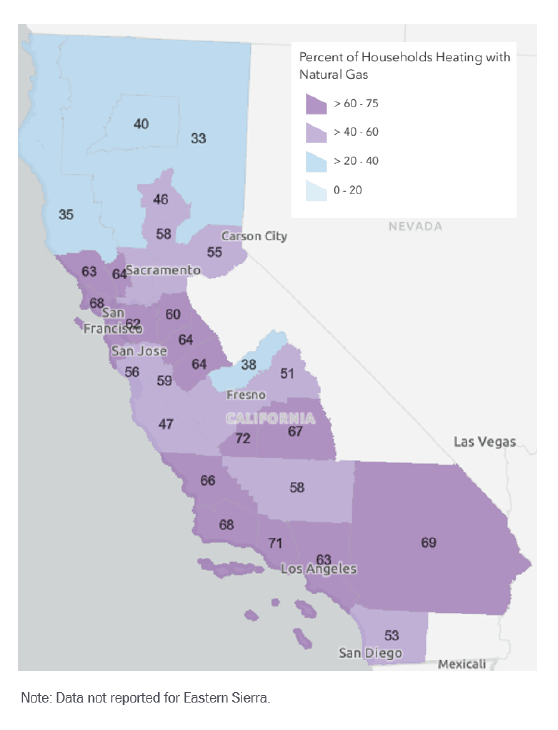
The study team assessed the CalEnviroScreen 4.0 percentile of each region. Regions with a high CalEnviroScreen score warrant particular attention in the fuel substitution journey. While naturally occurring market adoption of fuel substitution measures may lag, their adoption is particularly important from equity, population health, and environmental perspectives. We found that the regions requiring the most support and attention are in central California, where CalEnviroScreen scores often approach or exceed 70%. El Centro in southern California also has a very high CalEnviroScreen score (76%) (Figure 64).
Figure 64. Average CalEnviroScreen 4.0 Score by Region
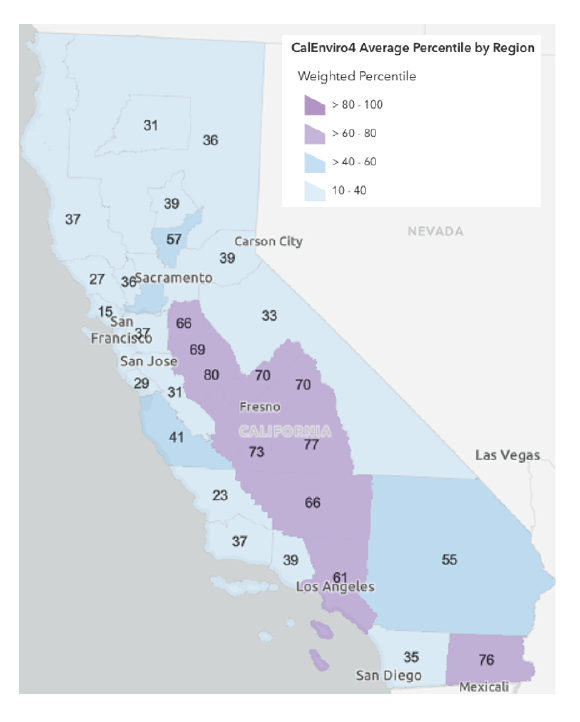
State licensing board data do not contain information on status as a minority- or veteran-owned business, but we can infer demographics by cross‑referencing contractor geographic distribution and disadvantaged communities (using CalEnviroScreen 4.0 data). According to California State License Board data, in 2021, 19% of licensed electrical contractors (C10), 22% of licensed HVAC contractors (C-20), and 20% of licensed plumbing contractors (C36) had business addresses in Disadvantaged Communities (DACs), while about 25% of the population lived in DACs.[51] The definition of a DAC is a census tract in the top 25% of census tracts most burdened by pollution per the CalEnviroScreen 4.0 scoring tool.[52]
While there is variation in the number of contractors located in individual Census tracts, on average, those Census tracts designated as DACs have fewer contractors than those not designated as DACs. Across the trades, there are 28% fewer contractors in DACs than non-DACs, after controlling for differences in population density. The difference between DACs and non-DACS is greatest for licensed electrical contractors, where DACs have 33% fewer licensed contractors, and least for licensed HVAC contractors, where DACs have 18% fewer contractors than non-DACS (Table 25). This discrepancy is partially driven by a large number of DACs with no licensed contractors. Nine percent of DACs have no licensed contractors in any of the three trades studied, while only 5% of non-DACs do. When looking at individual trades, about one in four (23%) DAC Census tracts have no licensed electrical contractors, close to half (42%) have no licensed HVAC contractors, and one in three (34%) have no licensed plumbing contractors. These figures are higher across all trades than for non-DACs (Figure 65). While data on the disadvantaged community status of individual employees is not available, if we assume that contractors located in DACs are more likely to hire employees from disadvantaged communities than contractors not located in DACs (i.e., that contractors hire from the surrounding community), it is possible that disadvantaged communities are underrepresented among employees in the trades.
[51] Based on 2019 American Community Survey data, which may differ from the population referenced for CalEnviroScreen 4.0.
[52] www.calmac.org/publications/TECH_Baseline_Market_Assessment_Final_Report.pdf
Table 25. Average Licensed Contractors Per 1,000 Residents Located in DACs and Non-DACs
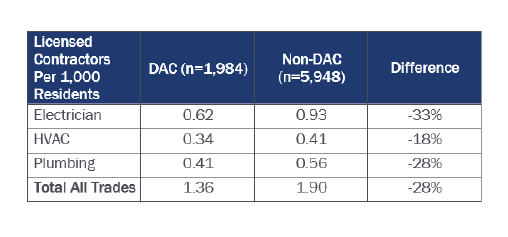
Figure 65. Distribution of Licensed Contractors Per 1,000 Residents Located in DACs and Non-DACs
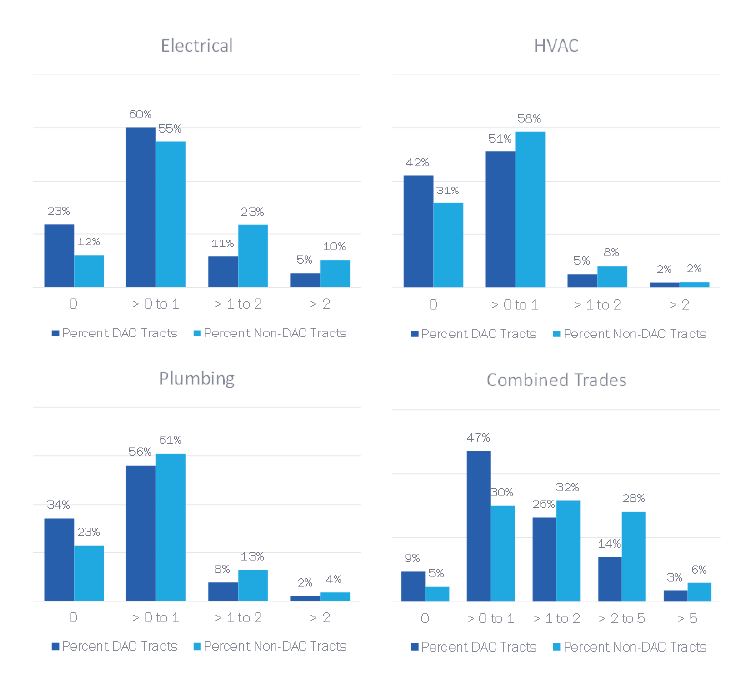
The study team mapped 2023 contractor businesses data against Census tract level CalEnviroScreen Scores (Figure 66, Figure 67, Figure 68). Maps for select metro areas can be found in the Appendix.
Figure 66. CalEnviroScreen Score and Business Locations of Electrician Contractors as of 2023
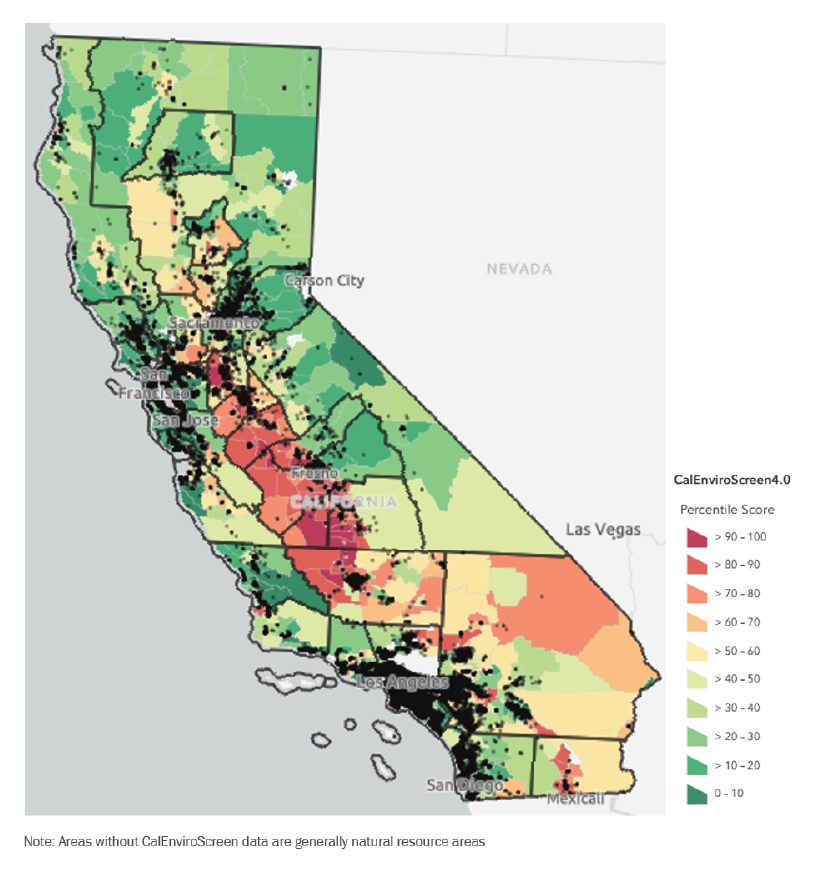
Figure 67. CalEnviroScreen Score and Business Locations of HVAC Contractors as of 2023
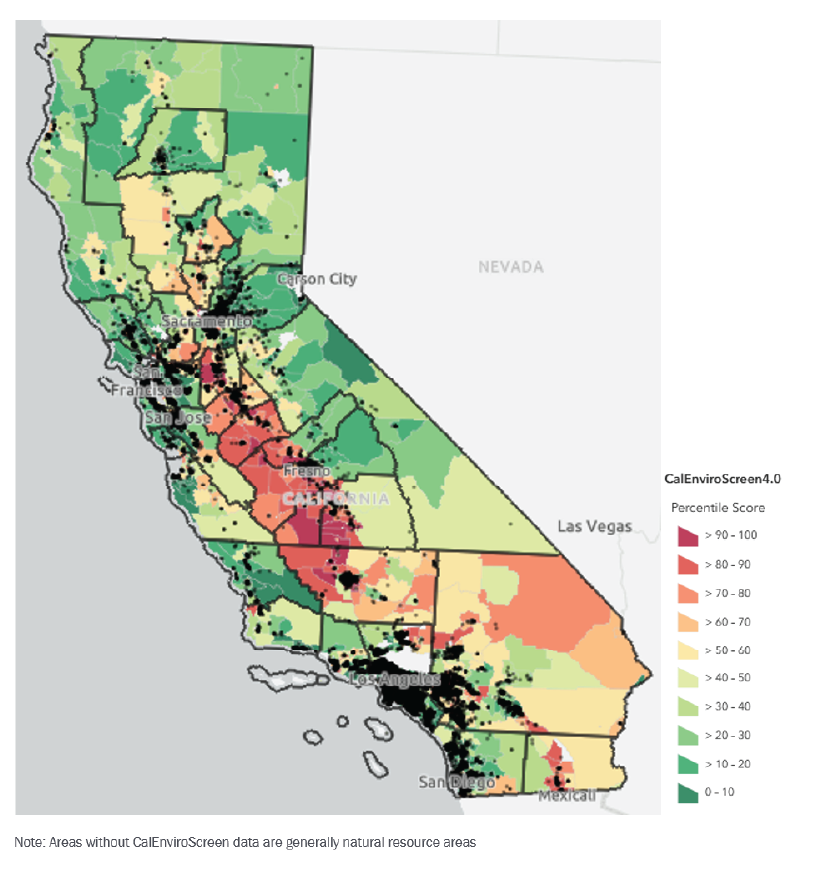
Figure 68. CalEnviroScreen Score and Business Locations of Plumbing Contractors as of 2023
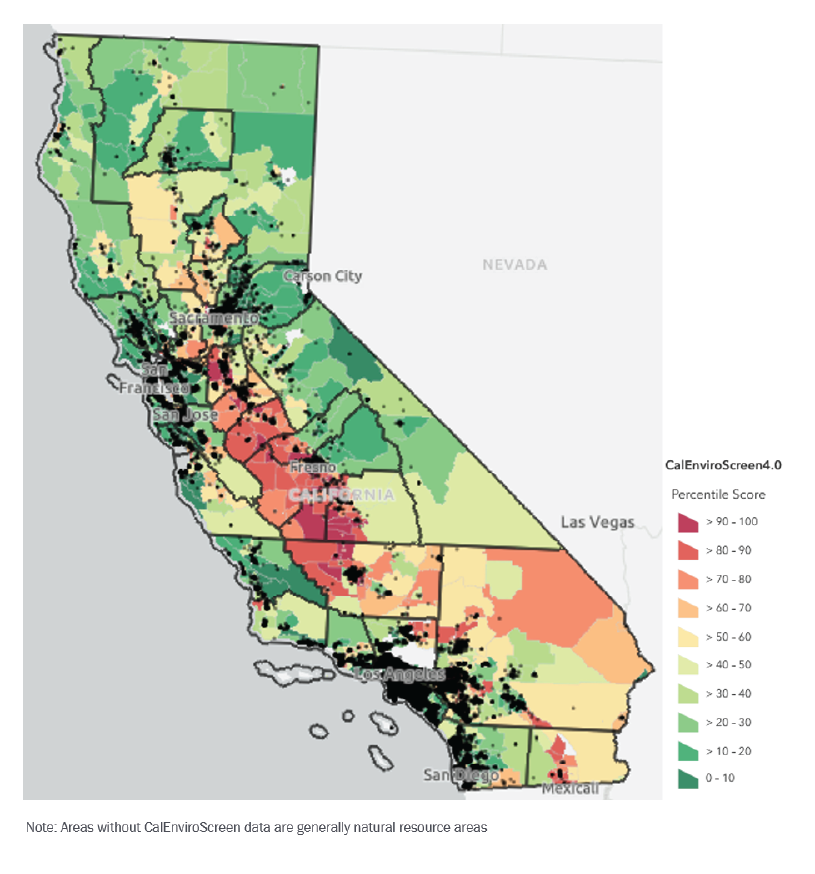
The study team combined information on population exiting the workforce, prevalence of natural gas heating fuel, and the CalEnviroScreen index of disadvantaged communities to assess which regions have relatively more or fewer of these factors that likely require additional support to facilitate timely and equitable fuel substitution (Figure 69). Regions in the Bay Area and Southern California tend to score higher across the factors that the study team examined, while regions in the northern, eastern, and central coastal regions score lower. Overall, the highest-scoring regions with data on all metrics are Oxnard (83%) and Visalia-Porterville (83%), and the lowest-scoring regions are San Jose, San Diego, and Salinas (all 42%).
Figure 69. Opportunities Summary Score by Region
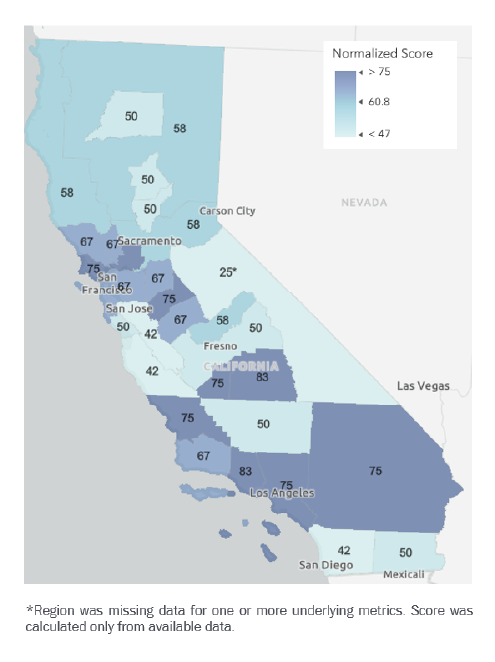
4.2.7 Comparison of Drivers, Supports and Enablers, and Areas of Opportunity
By comparing the regional analysis of fuel substitution demand drivers, workforce supports and enablers, and areas of opportunity we can identify complementary or conflicting trends and identify regions that require additional support. Figure 70 provides a summary of our analysis across all three categories. There is a moderate negative correlation (0.39) between demand drivers and opportunities, which tells us that regions expected to have higher natural market demand for fuel substitution services are likely to face fewer challenges while regions that will require extra support for fuel substitution also not evidence as much natural market demand. With the exception of a few regions such as North Valley and Riverside, the demand drivers and opportunity maps are approximately the inverse of one another.
Fuel Substitution Demand Drivers: Regions with more demand drivers will likely require a greater workforce in the short term.
Workforce Supports and Enablers: In high-scoring regions, we expect the workforce to be better positioned to meet the demand for fuel substitution services and support the transition than in regions where such enablers are less prevalent.
Areas of Opportunity: These regions need extra support to achieve sufficient and equitable fuel substitution.
In an ideal scenario, we would observe that regions with the greatest workforce supports and enablers are also expected to have the highest natural market demand (demand drivers) or to need the most support in their transition (opportunities). However, there is no correlation between either demand drivers and supports or between opportunities and supports, suggesting that neither the regions with expected naturally high market demand for fuel substitution services nor the areas in need of most support systematically have those supports and enablers in place, at least at the regional level, and the maps below also support this observation. Some regions score high on both demand drivers and supports, such as Yuba City, Eastern Sierra, and Sacramento, while others score high on one scale and lower on the other, such as Vallejo-Fairfield or San Luis Obispo. Likewise, some regions score relatively high on both opportunities and supports, such as Los Angeles, Modesto, or Vallejo-Fairfield, while others score high on one scale and lower on the other, such as Oxnard, Yuba City, or Eastern Sierra. (Figure 70). Taken together, these trends underscore the need to align supports and enablers to both natural market demand and high-opportunity regions. Future analyses might explore additional explanatory variables as well as the possibility that regional trends conceal sub-regional variation in each of these categories.
Figure 70. Comparison of Demand Drivers, Supports and Enablers, and Opportunities
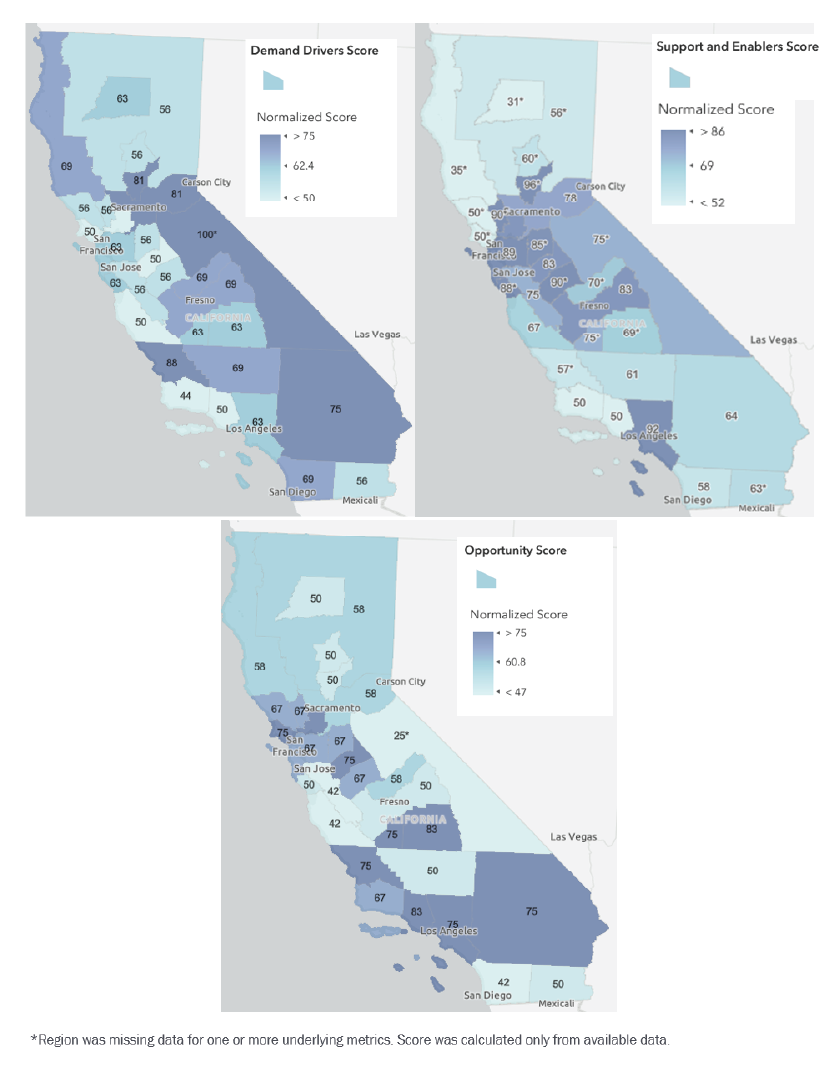
4.2.8 Workforce Projections
The California EDD sets long-term employment projections by trade. We compared the regional 2020 to 2030 employment projections for electricians, HVAC technicians, and plumbers to the growth in the workforce over the first part of the decade to assess which regions are on track to meet their employment projections in each trade by 2030.
The statewide percent change in employees needed between 2020 and 2030 is 20% for electricians. Several regions need to achieve over 25% growth including San Luis Obispo (32%), Madera (31%), San Rafael (30%), and others. Regions requiring high growth are spread around the state, although regions in northern and eastern California generally require slower growth than other parts of the state. In some cases, regions requiring high growth border regions requiring lower growth, which may present an opportunity to share and shift the available workforce. For example, Madera requires a 31% increase in the number of electricians between 2020 and 2030, while neighboring Merced and Stockton-Lodi only need to achieve 8% and 10%, respectively (Figure 71).This potential for shifting across counties may depend upon accessibility and specific areas of need, however. For example, the southern portion of Madera is accessible via highway 99 and is near Interstate 5 while the remainder of the region is situated across a broad swath of the mountainous Sierra National Forest. The statewide projected required growth in HVAC contractors between 2020 and 2030 is 16%. Primarily the same regions require the greatest relative growth for electricians, including San Luis Obispo (33%), Redding (29%), and Oxnard, San Rafael, and Yuba City (25% each). A handful of regions are expected to require just single-digit growth, but this is rare (Figure 71). Finally, the statewide percent change in employees needed between 2020 and 2030 is lowest for plumbers at 15%. Statewide trends in terms of relative growth required between regions mirrors the other trades. The regions with the greatest required growth are Redding (27%) and San Luis Obispo, San Rafael, and Oxnard (24% each). The lowest required growth is in Chico (6%) and Santa Rosa (3%) (Figure 71).
Figure 71. Employment Projections by Trade and Region from 2020 to 2030
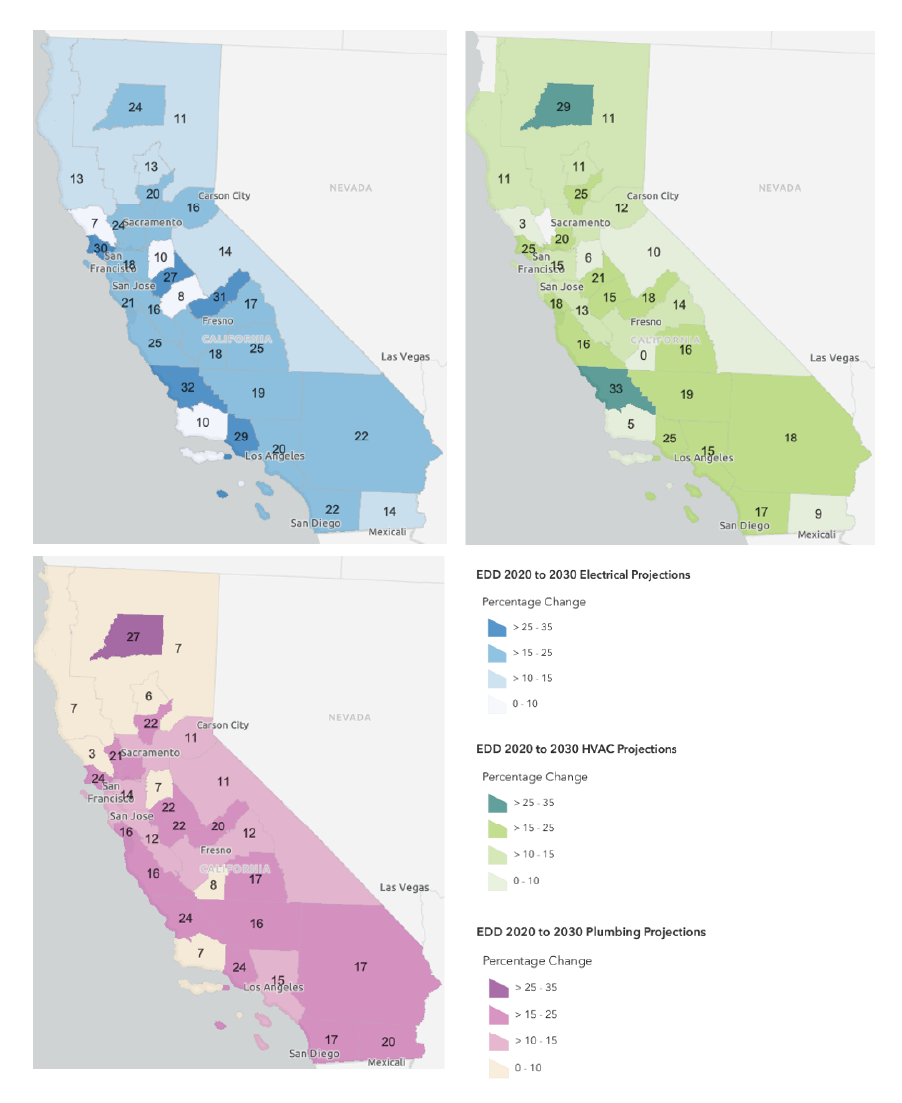
The study data used employment data from 2018 through 2023 to understand the average annual rate of growth or decline in employees in each trade and region. Using this recent growth trend as a starting point, we assessed how each region will progress towards EDD 2030 employment projections if recent trends continue. We found that most regions are tracking well ahead of pace to hit projections for HVAC technicians, but nearly half are behind on electrician (42%) or plumber (45%) projections (Figure 72).
Figure 72. Pace of Progress Towards 2030 Projections
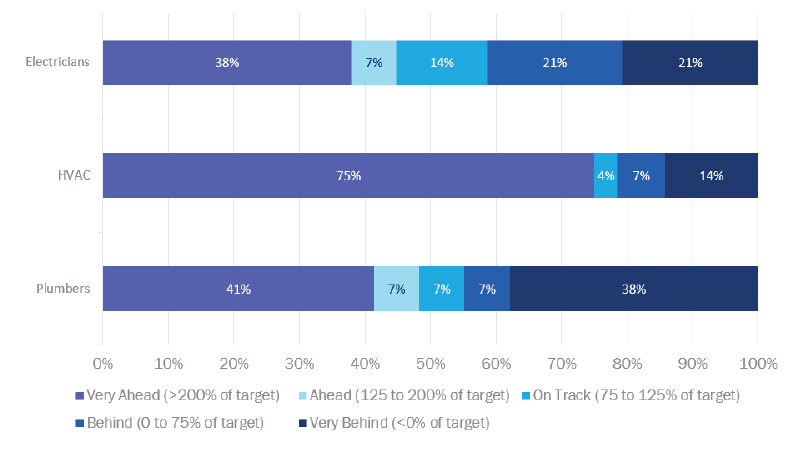
Most regions are only behind track for one trade or none, but several are behind or very behind for two or more: Chico (electrician and HVAC), Los Angeles (all trades), Modesto (HVAC and plumbing), Salinas (electrician and HVAC), San Diego (electrician and plumbing), San Jose (electrician and HVAC), San Luis Obispo (electrician and plumbing), and Santa Cruz (electrician and plumbing). In contrast, several regions are tracking very ahead for all three trades: Eastern Sierra, Merced, North Coast, and Redding. Figure 73 illustrates the regional trends in progress towards the 2030 employment projections by trade.
Figure 73. Progress Towards 2030 Workforce Projections by Region and Trade
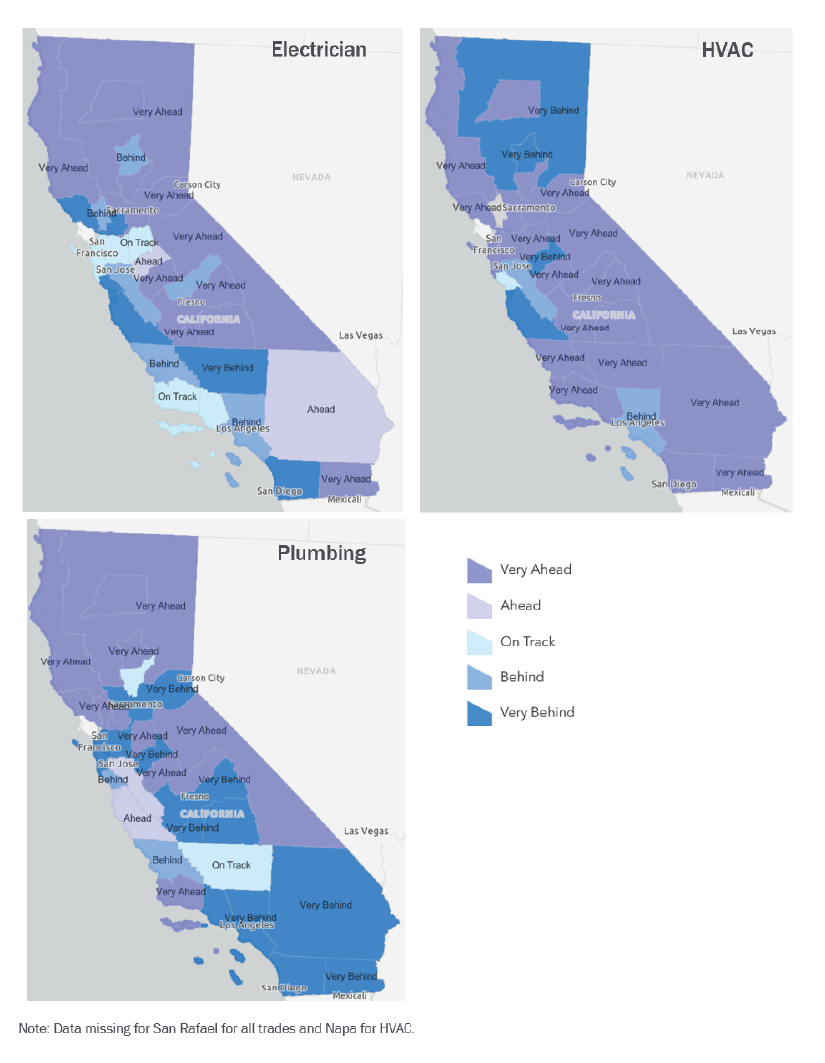
4.2.9 Findings Summary
- Existing workforce: The current workforce across the electrical, HVAC, and plumbing trades varies widely across the state. The majority of regions have three or fewer HVAC workers and plumbers per 1,000 housing units and five or fewer electricians. Even after adjusting for population density, customers in urban areas still tend to have greater access to fuel substitution services (based on the available workforce) but this varies. This finding presents a slightly more optimistic outlook than a recent statewide assessment.[53]
- Workforce trends: Over the past five years, there has been a moderate increase in the number of employees in each trade in the majority of regions. The growth of HVAC employees has been most pervasive, while over one-third (36%) of regions experienced a decrease in plumbing employees. While the number of contractors has remained relatively stable with slow growth statewide, this conceals trade-specific regional variation. Some regions are losing contractors, especially for HVAC and plumbers, while others are gaining.
- Demand drivers: Different parts of the state are likely to seek out fuel substitution services for distinct reasons including existing HVAC equipment nearing the age of replacement, expensive or inconvenient existing heating fuel, availability of disposable income to make an early upgrade, or high levels of local investments in clean energy. Each of these drivers are concentrated in different parts of the state which means the workforce needs to be ready to support fuel substitution statewide.
- Future studies might consider incorporating local permit data to triangulate the data used in this analysis and to better project short to medium-term demand for fuel substitution services.
- Workforce supports and enablers: There are many tools and structures that can support the workforce and it is not a one-size fits all approach. That said, when examining the availability and utilization of various tools across the state, a few things stand out.
- Apprenticeships are unevenly distributed across the state and are surprisingly not always more common/available in urban and suburban than in more rural areas. HVAC apprenticeships are particularly rare.
- Certifications and training to prepare the workforce to provide fuel substitution services appear underutilized across the state. However, the study team had access to limited training data and this analysis should be updated if more comprehensive data sources become available in the future.
- Employees in the northern and eastern parts of the state lack access to union representation based on available data.
- Participation in existing EE offerings is uneven across the state and it may be worthwhile to pursue additional outreach with contractors and customers about fuel substitution offerings in historically low-participating regions.
- Opportunities: Much like demand drivers, potential challenges and areas for attention and support are spread across the state – suggesting different regions have the potential to struggle with fuel substitution and supporting it with a sufficient workforce for different reasons – such as a declining workforce, high current penetration of natural gas heating, or disadvantaged communities that may require additional support from both a customer and workforce perspective. The latter two issues are most salient in central and Southern California whereas northern California may face more challenges from an aging workforce.
- Future workforce projections: Between 2020 and 2030, California is projected to grow the electrician workforce by 20%, HVAC by 16% and plumbing by 15%. Growth needs to be greatest, across trades, in primarily central and southern California. There is substantial variation between regions, but the trade-level trends are consistent– meaning that the same regions will need to grow their fuel substitution workforce across all trades. Based on recent historical trends, most regions are on track or better to meet their HVAC workforce projections, while about half are struggling to make sufficient progress towards electrician and plumbing projections for 2030. Few regions are close to EDD projections on any trade – Most are either well ahead of target or well behind.
- Taken together: Our analysis highlights several regions that would benefit from particular attention to ensure the workforce is sufficient and ready to support fuel substitution.
- Regions that are “very behind” in achieving the required workforce for one trade, or “behind” for two or more trades, regardless of other factors: Based on recent historical trends, these regions are unlikely to achieve a sufficient workforce across key trades to support fuel substitution. There are 20 regions that meet these criteria: Bakersfield, Chico, El Centro, Fresno, Hanford-Corcoran, Los Angeles, Modesto, North Valley, Oxnard, Riverside, Sacramento, Salinas, San Diego, San Francisco, San Jose, San Luis Obispo, Santa Cruz, Santa Rosa, Vallejo-Fairfield, and Visalia-Porterville.
- Regions that are not “on track” or better in achieving the required workforce across all trades even though demand is expected to be high: Only about one in four (23%) of regions are on track or better when it comes to meeting their 2030 employment projections across all trades. Several of the regions that are behind in one or more trades are also expected to have high natural market demand for fuel substitution in the near future especially San Luis Obispo, Sacramento, and Riverside.
- Regions that are not “on track” or better in achieving the required workforce across all trades and existing workforce supports and enablers are lacking: Among regions that are behind in achieving the required workforce across all three trades, several also have limited workforce supports and enablers including Oxnard, San Rafael, and Santa Rosa. These regions would benefit from additional supports.
- Regions where demand drivers are low and opportunities are high: Several regions are expected to have low natural demand for fuel substitution over the coming years and have risk factors that will make the transition, or will make achieving a sufficient workforce, challenging. These regions require special attention. They include Vallejo-Fairfield, Santa Maria, Oxnard, San Rafael, and Modesto.
[53] https://grist.org/energy/electrician-shortage-electrify-everything-climate-infrastructure-labor/
5. Summary Conclusions and Recommendations
In Section 5.1 we present findings on our customer journey mapping. In Section 5.2 we present findings on the geographic and demographic disposition of the clean energy trades as well as insights into gaps and opportunities for growth. Then, in Section 5.3 we draw conclusions from these findings and make recommendations that link observed barriers during the customer experience with heat pump installation, as well as issues related to workforce availability and training, to areas that need future support.
5.1 Customer Journey Findings
Customer journey maps visually represent the steps and interactions a customer goes through when engaging with a product, service, or brand. They enable us to understand the customer experience, including identifying pain points and areas of friction, such as long wait times. The players in the electrification customer journey are generally the customer, a contractor, sometimes an electrician, and sometimes the electric utility provider if service upgrades are required. (Three of the 73 HPWH respondents (4%) and one of the 72 space conditioning heat pump respondents (.01%) reported needing a service upgrade from the utility). Figure 74 displays the HVAC heat pump and HPWH replacement customer journey resulting from this study.
Additional Electrical Work More Common for HPWHs. Of the upgrades required to accommodate heat pump equipment, additional electrical work in the form of modifications or upgrades to wiring, outlets, or circuits was more common for HPWHs (48 of 73; 66%) than HVAC heat pumps ( 21 of 72; 29%) An electrical panel replacement, panel optimization, or the addition of a new subpanel was required for 17% (13 of 72) of HVAC heat pump installations and 27% (20 of 73) of HPWHs. The majority of these upgrades were completed by the same contractor business that performed the installation, with HVAC contractors completing the upgrades more often than HPWH contractors.
We found that HPWH companies are less likely to complete electrical upgrades than HVAC companies. Of the electrical work not performed by the installation company, HVAC heat pump customers hired the electrician themselves 100% of the time for both electrical panel upgrades and modifications to wiring, outlets, or circuits, while HPWH customers did so in most cases for both panel upgrades (64 out of 73; 88%) and electrical modifications (41 out of 73; 56%).
Figure 74. HVAC Heat Pump and HPWH Replacement Customer Journey Map
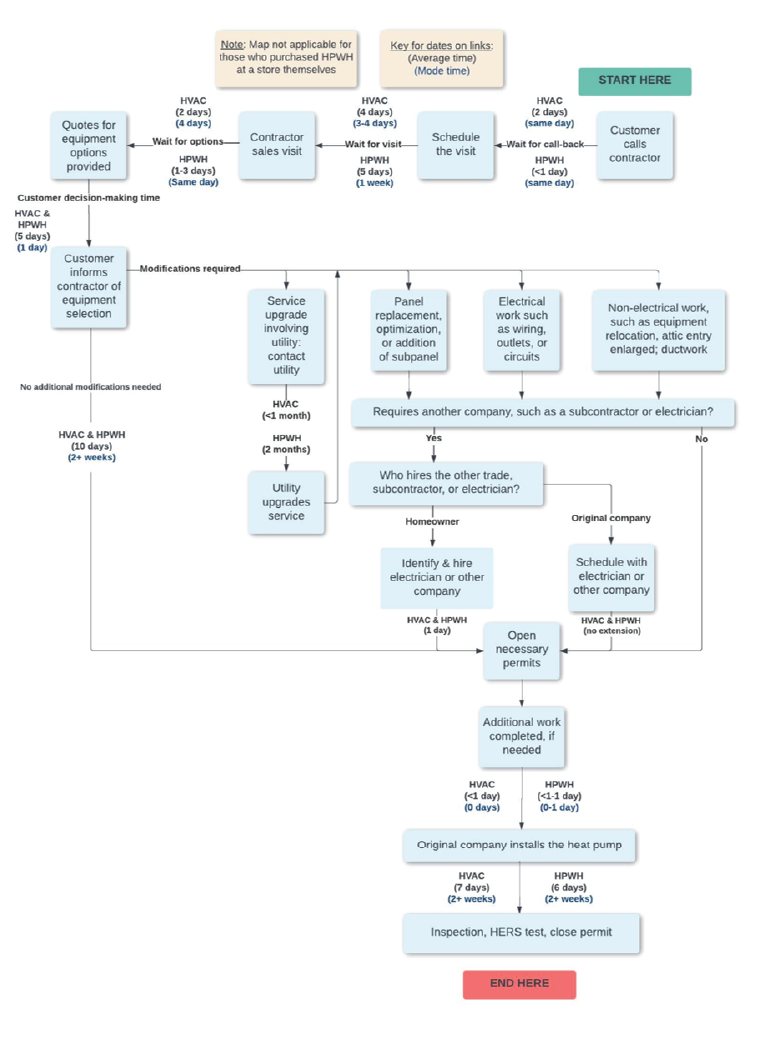
Average Project Timelines of Over One Month. Barriers differed somewhat between the HPWH and space conditioning heat pump installation processes and between planned replacements and replacements of malfunctioning equipment. HPWH customers with malfunctioning equipment commonly experienced less than a one-week project timeline, while the average time experienced was 32 days across all HPWH projects (from contacting a contractor to when the equipment was installed, not counting the time for inspection and/or HERS[54] testing after installation). The length of HPWH customer decision-making time was an average of 5 days (notably, customers with still functioning equipment were more likely to take only one day for selection than customers with a broken or failing system). It frequently took two or more weeks for an inspector or HERS rater to come out.
HVAC heat pump installations averaged 38 days from the beginning to when the equipment was installed, although malfunctioning equipment replacement projects were commonly completed in two weeks, and they were twice as likely as other customers to receive project quotes at the time of the sales visit. As with HPWH projects, it took some customers longer than others to select equipment, but in this case, the customers taking more time were those replacing currently functioning equipment. Most electrical upgrades did not cause delays, but when customers hired a separate electrician, that often extended the process. As with HPWH installs, it frequently took two or more weeks for a HERS rater or inspector to come out.
5.2 Workforce Findings
The study team conducted a spatiotemporal distribution analysis to assess geographic and temporal trends in California’s fuel substitution workforce. The team focused this analysis on electricians, HVAC technicians, and plumbers as a proxy for the subset of the overall workforce most likely to install heat pumps and perform necessary ancillary updates to facilitate those installations. For this analysis, the study team considered the current workforce, recent workforce trends, and long-term workforce projections in each region of California. We analyzed workforce trends alongside contextual data regarding the likely demand for fuel substitution services, the local supports available to the workforce, and workforce and population factors that require additional attention and assistance. Fuel substitution demand drivers, areas of opportunity, workforce supports, and enablers all have important implications for supply and demand. Their relative presence or lack thereof in a given region, combined with the state of the workforce, can help identify areas of particular concern and resulting policy interventions.
Contractors Are Not Often Cross-Licensed Across Trades Studied. There are 150,990 workers in California who fall into the Bureau of Labor Statistics (BLS) categories selected for this analysis (electricians, heating, air conditioning, and refrigeration mechanics and installers, and plumbers, pipefitters, and steamfitters). Both the workforce and number of licensed contractors are largest for electricians (72,880 employees), followed by plumbers (42,480 employees). As of 2023, most contractors (92%) were licensed in just one of the three trades we considered. Among the 8% of contractors licensed in more than one trade, the most common combination was HVAC and plumbing (35% of those licensed in more than one trade and 3% overall). Seventeen percent of the contractors licensed in more than one trade are licensed as an electrician, HVAC, and plumber, but this represents only 1% of all contractors studied.
High Variability in Workforce Growth Across Regions and Trades. Bureau of Labor Statistics data[55] suggest that portions of the fuel substitution workforce are growing while others are declining. There was a 10% increase in electrical and a 29% increase in HVAC employees reported statewide between 2018 and 2023, but a 12% decrease in plumbing employees in the same timeframe.
For all trades, there is regional variation in the change in the workforce over time. More than half of regions experienced moderate growth in the number of employees per trade between 2018 and 2023, with 70% experiencing such growth in the HVAC professions. However, about one-third of regions saw more than a five percent decrease in the number of plumbers between 2018 and 2023.
The regional trends in employee growth or decline differ by trade. The regions experiencing the most significant change in employees between 2018 and 2023 are identified in Table 26.
[54] HERS stands for Home Energy Rating System.
[55] The BLS cautions that the Occupational Employment and Wage Statistics (OEWS) dataset has limitations when used to make comparisons over time due to changes in occupational and geographic classifications as well as underlying OEWS data collection processes and calculation methodologies. Given the lack of alternate comprehensive data sources the study team elected to use the BLS data, but we encourage caution in interpreting the historical analysis of employment trends.
Table 26. Regions Experiencing Most Significant Change in HVAC, Plumbing, and Electrification Employees

There Are Proportionally Fewer Contractors in Disadvantaged Communities. In general, the greatest concentration of employees in the trades is in urban regions, and fewer employees are in rural regions, with suburban regions falling in the middle. This trend is consistent across all three trades. Normalizing (or adjusting the data to a common scale) the number of employees by the total housing units in each region facilitates the comparison of regions with different levels of population density. Most regions have three to five electricians per 1,000 housing units and three or fewer HVAC technicians or plumbers per 1,000 housing units. (See Figure 75)
As for demographic data and the distribution of the workforce across Disadvantaged Communities (DACs), state licensing board data do not contain information on status as a minority- or veteran-owned business. Still, we can infer demographics by cross-referencing contractor geographic distribution and disadvantaged communities. According to California State License Board data, in 2021, 19% of licensed electrical contractors (C10), 22% of licensed HVAC contractors (C-20), and 20% of licensed plumbing contractors (C36) had business addresses in DACs. On average, DACs have fewer contractors than non-DACs both before and after controlling for population density. The California Environmental Protection Agency has found certain associations between more impacted census tracts and ethnicities other than White.[56]
While there is no available data on the “disadvantaged” status of individual workers in these trades, we can use data on contractor location to infer the access to employment in the trades among workers who reside in disadvantaged areas. This approach assumes that contractors are more likely to employ workers from the surrounding neighborhoods than workers who live outside the immediate community. Our analysis shows that while there is a lot of variation, controlling for differences in population, on average DACs have about 28% fewer licensed contractors located within the community across the electrical (C10), HVAC (C20), and plumbing (C36) trades compared to Census tracts not designated as DACs. This relatively lower access to opportunities in the trades within DACs suggests that disadvantaged workers could be underrepresented in these trades. However, this research question would benefit from the collection and analysis of more granular data than is currently available.
Regions Are Tracking to HVAC Employment Projections Better than Electrician or Plumbing. The California Employment Development Department’s long-term employment projections show that between 2020 and 2030, California is projected to grow the electrician workforce by 20%, HVAC by 16%, and plumbing by 15%. Growth is projected to be to be greatest across trades primarily in central and southern California. There is substantial variation between regions, but the trade-level trends are consistent—meaning that the same regions will need to grow their fuel substitution workforce across all trades. Based on recent historical trends, most regions are on track or better to meet their HVAC workforce projections, while about half are struggling to make sufficient progress toward electrician and plumbing targets for 2030. The study team analyzed the average annual rate of growth or decline in employees in each trade and region and assessed the pace of progress for each region toward its 2030 employment target, assuming the continuation of recent trends.
[56] https://storymaps.arcgis.com/stories/f555670d30a942e4b46b18293e2795a7
Figure 75. Employees Per 1,000 Housing Units by Trade and Region in 2023
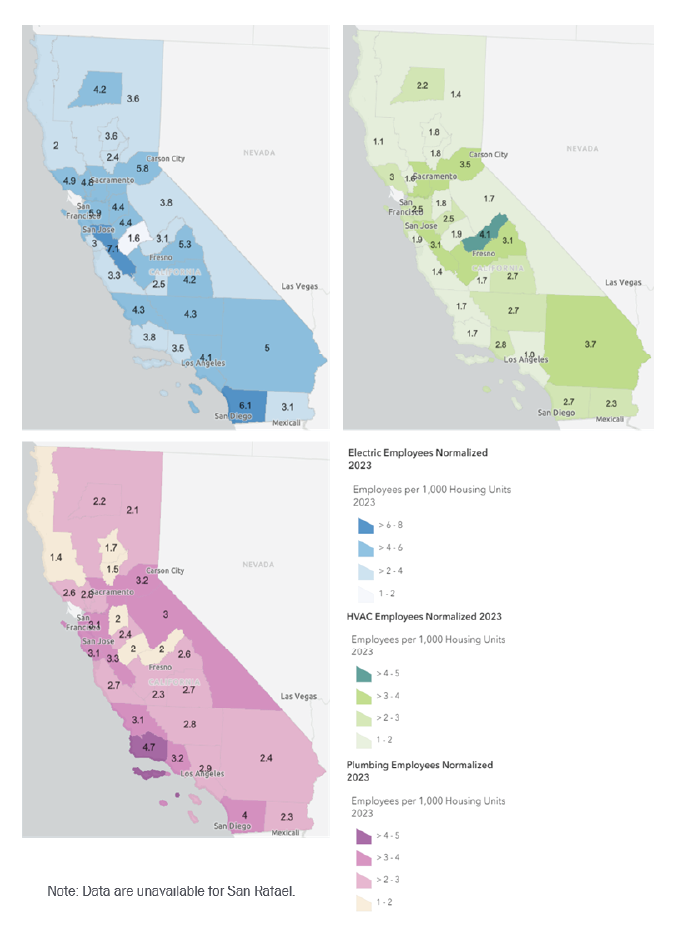
Fuel Substitution Demand Drivers: Regions with more demand drivers will likely require a greater workforce in the short term.
Factors: Median home value, primary heating fuel, age of housing stock, clean energy investments.
Workforce Supports and Enablers: In high-scoring regions, we expect the workforce to be better positioned to meet the demand for fuel substitution services and support the transition than in regions where such enablers are less prevalent.
Factors: Population entering the workforce, training and certifications, union support, engagement with utility energy efficiency programs.
Areas of Opportunity: These regions need extra support to achieve sufficient and equitable fuel substitution.
Factors: Population exiting the workforce, primary heating fuel, disadvantaged and other vulnerable communities.
Analysis Highlights Needs Across Several Regions. Taken together: Our analysis (summarized below and listed in Figure 76) highlights several regions that would benefit from particular attention to ensure the workforce is sufficient and ready to support fuel substitution.
Twenty regions are “very behind” in achieving the projected workforce levels for one trade or are “behind” for two or more trades, regardless of other factors. Based on recent historical trends, the following regions are unlikely to achieve a sufficient workforce across key trades to support fuel substitution: Bakersfield, Chico, El Centro, Fresno, Hanford-Corcoran, Los Angeles, Modesto, North Valley, Oxnard, Riverside, Sacramento, Salinas, San Diego, San Francisco, San Jose, San Luis Obispo, Santa Cruz, Santa Rosa, Vallejo-Fairfield, and Visalia-Porterville.
Only about one in four (23%) regions are on track or better when it comes to meeting their 2030 employment projections across all trades. Several of the regions that are behind in one or more trades are also expected to have high natural market demand for fuel substitution in the near future, especially San Luis Obispo, Sacramento, and Riverside.
Among regions that are behind in achieving the workforce that is projected to be required across all three trades, several also have limited workforce supports and enablers including San Luis Obispo, Oxnard, Santa Rosa, and Madera. These regions would benefit from additional interventions.
Several regions are expected to have low natural demand for fuel substitution over the coming years. They also have risk factors that will make the fuel substitution transition challenging, including achieving a sufficient workforce. These regions require special attention. They include Vallejo-Fairfield, Santa Maria, Oxnard, San Rafael, and Modesto.
Figure 76. Results of Regional Analysis
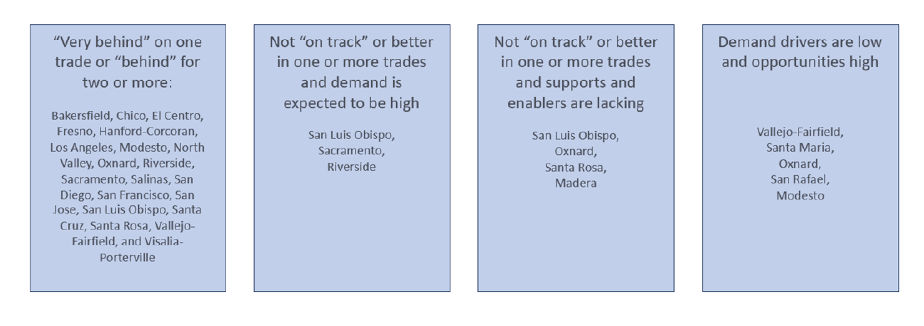
5.3 Conclusions and Recommendations
California must more than triple its current installation pace and achieve 750,000 installations per year to achieve its goal of installing six million heat pumps by 2030.[57] Many dynamics must align in order to create this reality; data gathered through the TECH program should help ascertain the state’s progress towards market transformation in terms of cost parity with fossil fuel alternatives, while this report sheds light on the current disposition of the state’s workforce. Assuming that the 750,000 installations per year needed to achieve the six million heat pump goal will be a mix of space- and water-heating heat pumps, we can calculate a few data points for context. In 2023, there were a combined 34,092 HVAC and plumbing contractor businesses in the state of California. For the current workforce to achieve 750,000 installs per year, every single contractor would need to install, on average, 22 heat pumps per year. Those installs are in addition to any repair calls and other non-heat pump installation jobs. If 2024 doubles the historical pace of heat pump installation and achieves 400,000 installs, that means that the remaining years to 2030 each need to see 820,000 installs per year, or on average, 24 heat pump installs per year for every single plumbing and HVAC contractor. For every year that the pace of installations lags behind the required rate, the number of installations per business increases unless there is a significant increase in contractor businesses.
In our February 2024 TECH Clean California Time 1 Market Assessment Final Report (“2024 TECH Report” or “Report”),[58] Opinion Dynamics made several findings regarding contractor and homeowner perspectives and experiences with the heat pump market in California that help inform conclusions and recommendations here, as referenced below. Meanwhile, a key conclusion from this study has been that workforce demand, drivers, and opportunities are geographically varied and that even a regional-level analysis obscures more geographically granular trends. Yet, we can still draw inferences from the data. Observations, conclusions, and recommendations are as follows:
- Conclusion: We see a geographic disparity in the number of HVAC employees per contractor, and the 2024 TECH Report found that, of businesses that were not sole proprietorships, larger (annual revenue of $3 million or more) HVAC contractors are hiring at least six installers annually while nearly half of contractors with lower revenue (of less than $250,000 annually) hire zero.[59] From this, we assume that the relative dearth of employees in northern and eastern California and the relative abundance of employees in the Bay Area and central California may continue a self-reinforcing pattern that widens regional disparity absent intentional intervention. Northern and Eastern California Regions also tend to have higher proportions of contractor businesses that are sole proprietorships, which may further exacerbate the pattern. Notably, while still evident, this hiring dynamic was not found to be as pronounced within the HPWH market. While these patterns may track with population, the gap still exists for electric and HVAC employees (although not plumbers) when accounting for the number of employees per 1,000 households. An equitable transition to heat pumps requires a robust workforce sufficient to meet the adoption potential of every region.
- Recommendation: In the short term, a solution to address this regional disparity in workforce availability may be to enable contractors from regions with more fully developed workforce to earn a premium by doing work in less-developed areas during the relatively slower shoulder seasons between the notoriously busy heating and cooling seasons. This may be an especially appealing prospect for contractors from the Bay Area and Sacramento area to travel to Northern California, where there is presumably a better business case for fuel switching due to a higher predominance of households heating with delivered fuels as well as more heating demand due to the number of heating degree days in California’s northern regions.[60] This is a short-term recommendation, with a longer-term objective of developing the local workforce. If daily travel between regions is overly burdensome, stakeholders may look to the example of utility storm recovery work, where crews travel for an extended period of time to affected areas. In this case, for heat pump workforce development, the contractor crew would receive support to spend a month during a shoulder season in Northern California, both doing installs and training the local workforce via a shadowing program on those installs. This model may be optimized by pairing targeted technical assistance for small business establishments to enable Northern California contractors to get up and running. We recommend the Investor Owned Utilities consider this as a potential program moving forward, especially where pockets of robust workforce numbers and pockets of sparce representation exist within the same service territory.
- Conclusion: The study team observed a longer delay in decision-making by customers converting to an HPWH upon malfunction of their existing equipment. No customers were performing a like-for-like replacement, meaning no surveyed customers previously had a HPWH. The study team hypothesizes that the fact that more customers with functioning water heaters than those with failing or broken equipment made an equipment decision in just one day may be due to a high proportion of “early adopters” and customers who otherwise already knew they wanted an HPWH and, therefore, did not require much time to consider their options. Conversely, customers with malfunctioning equipment may not have already been aware of HPWH technology and may have required time to consider switching to heat pump technology.[61]
- Recommendation: Utilities may benefit from providing plumbers with customer sales tools such as case studies, customer testimonials and directing them to the Switch Is On website[62] to more quickly guide customers through the fuel substitution or fuel switching process as the water heating market moves beyond early adopters, which it must do to achieve California’s climate goals.
- Conclusion: We found that one of the consistently longest steps reported in HVAC heat pump and HPWH replacements was the wait for an inspector or HERS rater to review the project. This may indicate a workforce shortage but does not fall into the trades analyzed in this study.
- Recommendation: Given the observed delay in project inspection and HERS rater availability in this study, regions that are “on track” or better in achieving the required workforce across the trades included in this study and that have an anticipated high demand for heat pumps may be well-served by California Home Energy Efficiency Rating Services (CHEERS)[63] focusing on increasing training and certification opportunities for HERS raters in these regions.
- Conclusion: Madera features a mix of attributes that make workforce development opportunities compelling. Specifically, we observe a relatively high proportion of homes that heat with oil or propane, a relatively high proportion of homes built between 2000 and 2009, a moderately high proportion of the population of 15 to 24 years old, relatively low HVAC apprenticeship numbers, and only moderate participation in utility energy efficiency programs. Madera may be a prime location for a concentrated workforce development effort. With so much of the population about to enter or newly entered the workforce and theoretically a high proportion of homes that are at or nearing the end of life for their mechanical equipment, at least a proportion of which is likely to currently be served by delivered fuels, the conditions are favorable for an expansion of the electrification workforce. However, current apprenticeship numbers indicate that additional support may be required to facilitate this shift.
- Recommendation: Records show that Madera County issued 6,826 single-family building permits in the years 2003 to 2009. In 2003, the total stock of single-family housing units was 21,905, meaning that in those years, the County increased single-family housing unit stock by a significant percentage per year. Meanwhile, the Madera County 2016-2024 Housing Element Update names several (as of that time) planned subdivisions alongside mentions of previously established subdivisions.[64] Given that subdivisions tend to be developed rapidly and with similar mechanical systems, if subdivisions of the appropriate vintage exist, they may be facing a large-scale need to replace HVAC and water heating systems. Our recommendation is to support community-level electrification of subdivisions where optimal preconditions exist and to scaffold an apprenticeship program or other training program around such community-level targeting. If successful, this model may serve as a template for other counties and regions facing similar dynamics. Given the fact that Madera County sits within PG&E territory and PG&E has a zonal electrification goal within its 2022 Climate Strategy Report,[65] we recommend that PG&E collaborate with County officials and review the feasibility of this approach. While not explicitly a non-pipes-alternative recommendation and therefore likely not eligible (without modification) for PG&E’s Zonal Electrification Pilot,[66] our recommendation for community-level electrification of subdivisions may have the effect of accelerating a community’s departure from reliance on a natural gas line. Based upon the study team’s understanding of PG&E’s zonal electrification efforts, this recommendation differs in that targeting relies on information about natural cycles of gas equipment retirement on the customer side of the meter versus geographic filtering based instead upon anticipated gas line replacement or repair needs (amongst a number of other factors).[67] This recommendation aligns well with existing CPUC building decarbonization actions, and PG&E may begin coordination by sharing its internal Geospatial Electrification Tool under NDA with Madera County officials.[68] Several other regions have a permutation of characteristics that may also lend themselves to intervention of this type. For instance, North Valley has a relatively high proportion of oil or propane heating, relatively low electric and plumbing apprenticeship numbers, and relatively low participation in energy efficiency programs. North Coast also has a relatively high proportion of oil or propane home heating as well as relatively low electric and HVAC apprenticeship numbers and relatively low participation in energy efficiency programs. While the region of Madera has 24 percent of building stock built between 2000 and 2009, North Valley has 13 percent and North Coast has 12 percent. Cross-referencing counties within these regions against data on subdivision approvals may surface areas of opportunity for community-level electrification.[69]
[57] https://heatpumppartnership.org/blog/new-public-private-partnership-forms-to-accelerate-heat-pump-adoption-in-california/ and https://www.energy.ca.gov/news/2023-10/top-global-building-appliance-manufacturers-and-distributors-commit-help
[58] https://www.calmac.org/publications/TECH_Time_1_Market_Assessment_Final_Report_4.22.24.pdf
[59] In the 2024 TECH Report, we did not ask about departures to calculate a net gain.
[60] https://www.calmac.org/%5C%5C/publications/Residential_Exterior_Window_Shading_Research_Report_10102022.pdf Appendix B.
[61] Since this study surveyed only customers who ultimately installed heat pump equipment, our findings do not represent customers who replaced their fossil-fuel equipment with a non-heat pump unit. Recent findings indicate that conversions to HPWH equipment are far outweighed by like-for-like non-heat pump water heating equipment. https://calnext.com/wp-content/uploads/2024/07/ET23SWE0020_Emergency-Replacement-HPWH-Market-Study_Final-Report.pdf
[62] https://switchison.org/
[63] With the notification of CalCERTS of its intention to cease operations, CHEERS remains the single data registry in California. https://www.energy.ca.gov/programs-and-topics/programs/home-energy-rating-system-hers-program/home-energy-rating-system
[64] https://plansearch.caes.ucdavis.edu/static/data/pdfoutput/2024-07-11_CA_county-Madera_2015_ERKK0FK84U.pdf
[65] https://www.pge.com/content/dam/pge/docs/about/pge-systems/PGE-Climate-Strategy-Report.pdf
[66] https://rmi.org/wp-content/uploads/2024/06/24.06.17-NPA-webinar.pdf pgs. 13-18
[67] https://gridworks.org/2022/08/selecting-gas-decommissioning-pilot-locations/
[68] https://www.cpuc.ca.gov/buildingdecarb/
[69] One such resource may be https://www.dre.ca.gov/Developers/NewSubFilingList.html
6. Appendix: Spatiotemporal Analysis
Detailed below are the process, methodology, and data sources used in the Spatiotemporal Analysis.
6.1 Data Preparation and Analysis
The study team conducted a literature and data review to assess the types of data needed to support a comprehensive analysis and to review the available data sources including their accessibility, recency, level of granularity, completeness, quality, and any limitations. This process allowed us to identify and prioritize the data sources available to address the research questions.
Geographic Areas
The study team elected to conduct the analysis at a regional level. The regions were defined as the metropolitan statistical area (MSA), metropolitan division (MD), or county consortium. These regional definitions are consistent with the regions used by the California Employment Development Department (EDD) and Bureau of Labor Statistics (BLS) for tracking employment data. Some of the data used in this analysis is tracked at a more granular level, such as the county, census tract, zip code, or city. In these cases, we aggregated the data to the regional level to achieve a consistent unit of analysis.
Workforce
Employment History
To estimate the number of employees in each trade, the study team leveraged annual estimates from the U.S, Bureau of Labor Statistics (BLS) Occupational Employment and Wage Statistics (OEWS) dataset. For this analysis we utilized occupational estimates for 2018 through 2023 for the following occupations: electricians, heating, air conditioning, and refrigeration mechanics and installers, and plumbers, pipefitters, and steamfitters. The BLS tracks data at the metropolitan and nonmetropolitan area levels by trade and year. The study team reported on both the total number of employees as well as the normalized number of employees based on the total housing units within each region.
BLS data represents individuals employed in a given occupation and does not provide insight into the total licensed contractors. It is possible that there are licensed contractors currently not employed in a given trade as well as employees in a trade that are not licensed. The BLS also cautions that the OEWS dataset has limitations when used to make comparisons over time due to changes in occupational and geographic classifications as well as underlying OEWS data collection processes and calculation methodologies.[70] Despite these limitations, given the lack of alternate comprehensive data sources, the study team elected to use the BLS data. However, we encourage caution both in drawing inferences about licensing and in interpreting the historical analysis of employment trends.
Workforce Demand Projections
The study team leveraged publicly available data from the California Employment Development Department (EDD) to determine occupational employment projections for each trade. The occupations used in the analysis were electricians, heating, air conditioning, and refrigeration mechanics and installers, and plumbers, pipefitters, and steamfitters. The study team aggregated the data to the metropolitan and nonmetropolitan area levels used in the analysis. We utilized the EDD’s long-term (2020-2030) employment projections for new jobs created (numeric change and percent change).
Licensed Contractors
To estimate the change in licensed contractor businesses within each region over time, the study team received historical licensing data from the California State Licensing Board (CSLB) on licensed contractors from 2018 through 2023 for the following business classifications: Electrical (C10), Warm Air Heating, Ventilation, and Air Conditioning (C20), and Plumbing (C36). Due to the geospatial nature of the analysis, a small number of California-licensed contractors with addresses outside California were excluded. The raw data were at the annual level and included the exact business address for each contractor and key details about their license such as the start and expiration dates. The study team aggregated the data to the regional level and assessed trends over time.
Fuel Substitution & Workforce Drivers, Supports, and Opportunities
Housing and Demographic Characteristics
The study team leveraged Census data on a number of topics to characterize the population within each region including key sociodemographic and housing attributes. All Census data were extracted as a snapshot based on the most recent available data for a given topic. The study team used the following data:
- Housing Characteristics: The team analyzed housing characteristics using the publicly available U.S. Census Bureau Housing Characteristics 2022 data from table DP04. The data were at the county level, and the team aggregated it by calculating the weighted averages of each variable based on the number of housing units per county. In cases where the number of housing units was unavailable for a specific county, the team used the average household size and total population per county to generate an estimate. The variables used for the analysis included total housing units, total occupied housing units, the percentage of housing units built between 2000 and 2009, the percentage of housing units with oil or propane as their primary heating fuel, the percentage of housing units with natural gas as the primary heating fuel, and median household price.
- Urban and Rural Areas: The team utilized the 2020 Urban Area (UA) Relationship Files from the U.S. Census Bureau. After filtering the data to include only California counties, the team aggregated the data to the metropolitan and nonmetropolitan area levels. During this process, we totaled the number of housing units, urban housing units, and rural housing units. Subsequently, we calculated the percentages of urban and rural housing units within each region.
- Population Characteristics: The team utilized the American Community Survey Demographic and Housing Estimates table DP05 for this analysis. The procedure followed was identical to that used for the housing characteristics analysis. The variables included in the analysis were the total population, the percentage of the population aged 20 to 24, and the percentage of the population aged 60 to 64.
Disadvantaged Communities
The study team recognizes that there are multiple definitions and corresponding tools and datasets available to identify disadvantaged communities. For this analysis, the study team elected to utilize CalEnviroScreen 4.0. We elected to use this definition in our analysis for the following reasons:
- It accounts for population characteristics such as health and socioeconomic factors as well as pollution burden from environmental factors and exposure in a single index.[71]
- Every Census tract in the state is assigned a score, which allows us to accurately aggregate risk factors to the regional level and assess the relative vulnerability of each region statewide.
- CalEnviroScreen is a key input to the CPUC’s definition of disadvantaged communities and feeds into other indices and assessments such as SB 535 Disadvantaged Communities and the CPUC Environmental and Social Justice Action Plan.[72]
The study team leveraged the CalEnviroScreen percentile score as it allows us to best compare regions. When aggregating the data to the regional level, the study team took a weighted average of the percentile score for all of the Census tracts within a region, accounting for the population in each Census tract so that more densely populated tracts were weighted more heavily than less densely populated tracts.
Clean Energy Investments
The study team downloaded data from the Clean Investment Monitor for the state of California from 2018 through Q1 2024. The Clean Investment Monitor is a joint project of Rhodium Group and MIT’s Center for Energy and Environmental Policy Research (CEEPR) that compiles a publicly available dataset on public and private investments in climate technologies across the United States.[73] Technologies included in the database must be eligible for tax incentives under the Inflation Reduction Act (IRA). The database includes investments in manufacturing, energy and industry, and retail. For this analysis, we included only manufacturing and energy and industry investments. The study team aggregated all investments within a region to estimate the total clean energy investments in the region over the study period.
Union Representation
We leveraged data available from the U.S. Department of Labor Financial Reporting to estimate union representation and participation in California in 2023. The data included the union name, address, number of members, city, and zip code. The data were imported into ArcGIS and aggregated to the region level. These data represent the location of the union itself and not the home or work address of the workers represented by the union. Thus, it is possible that members associated with a given region may live or work in a neighboring region that does not have local unions present. The study team did not identify any HVAC unions after a thorough search of the database, so these data represent electrician and plumber unions only.
Apprenticeships
Apprenticeships USA offers a publicly available dataset on apprenticeships completed across the United States. The study team extracted the data on active apprenticeships in California as of April 2024. These data were tracked at the county level and include information about the apprenticeship such as the supporting contractor, whether the position is unionized, starting pay, and demographics of the apprentice. The study team used these data to estimate the current active apprenticeships per trade and region.
Certifications and Training
There are many resources that contractors and individual employees can leverage to grow their skillset and keep up to date with new technologies. As a proxy for workforce engagement with such resources as well as readiness to support fuel substitution, the study team measured ESCO exams on key topics, specifically ESCO data on electrician and heat pump certifications passed in California from 2018 through 2023. These data are not an exhaustive representation of training or certifications completed by employees or contractors in the state during the study period.
Energy Efficiency Program Participation
The study team downloaded data from the California Energy Data and Reporting System (CEDARS) database to estimate energy efficiency program participation between 2018 and 2023. Data were downloaded at the zip code level and the study team chose to limit their analysis to residential claims associated with custom, midstream, and downstream programs as we hypothesize these programs better capture the variable we are trying to measure (population and contractor engagement with existing energy efficiency offerings) than do upstream or direct install programs. The data were aggregated to the regional level to represent residential energy efficiency program participation from 2018 to 2023. The reported values represent the total number of claims (measures).
[70] U.S. Bureau of Labor Statistics. “Occupational Employment and Wage Statistics Frequently Asked Questions.” Accessed June 24, 2024. https://www.bls.gov/oes/oes_ques.htm#qe1.
[71] Zeise, Lauren and Jared Blumenfeld. 2021. CalEnviroScreen 4.0. https://oehha.ca.gov/media/downloads/calenviroscreen/report/calenviroscreen40repor
[72] California Public Utilities Commission. 2022. Environmental and Social Justice Action Plan Version 2.0. https://www.cpuc.ca.gov/-/media/cpuc-website/divisions/news-and-outreach/documents/news-office/key-issues/esj/esj-action-plan-v2jw.pdf
[73] Clean Investment Monitor. Accessed 6/21/2024. https://www.cleaninvestmentmonitor.org/about
6.2 Composition of Key Metrics
Calculation Summary of Scores
The study team classified the data and analysis in three categories: fuel substitution demand drivers, workforce supports and enablers, and areas of opportunity. Within each category there were multiple continuous metrics estimated per region. For example, within the fuel substitution demand drivers the study team assessed the median home price, percentage of homes that heat with fuel oil or propane, percentage of homes built between 2000 and 2009, and total clean energy investments. To calculate the summary scores, most metrics were normalized across all regions to represent a percentage of the population, a value per 100 employees, or a value per 1,000 housing units. The only metrics not normalized for the summary score analysis were median household price, dollars of clean energy investments, and EPA 608 Refrigerant Certifications.
The study team calculated a summary score for each category to provide a more holistic view of how each region is affected by each category and how this relates to the ability to achieve the required workforce in each trade. The score was calculated by assessing the distribution of regions across each metric and assigning each region to a quartile. If a region fell at the first quartile for a given metric, they would receive a score of “1” on that metric, whereas a region that fell in the third quartile would receive a score of “3”. This was completed for all metrics within a category and the quartile scores were summed across metrics to arrive at a total score per category and region. Given that there are a different number of metrics within each category, the total score was then normalized by dividing by the total possible score. For example, in a category with four metrics the maximum possible score would be 16. Thus a region with a total score of 12 would be rated at 75% on that score. In cases of missing data, that metric would be excluded from both the numerator and denominator for the region, and their score would be calculated based only on the available data. In our example, if a region was missing data for one metric, their total possible score would be 12. If that region had a score of 6 then their normalized score would be 50% as they are assessed only on the available data points.
Performance Against Workforce Projections
We used a combination of BLS and EDD data to determine how each region is performing against their 2030 employment projections per trade. BLS data was used to establish a baseline of employees in 2020 and to estimate an average annual change in employees over the past five years (2018 to 2023). The study team used the 2020 BLS employment estimates combined with the region and trade level average annual change in employment to project the total number of employees in each trade and region if growth continues based on recent historical trends. The study team compared this projection against the EDD 2030 employment estimates for each region and trade to assess whether each region is on track to meet their goals.
6.3 CalEnviroScreen 4.0 Score and Business Locations – Select Metro Areas
Select metro areas – Electricians
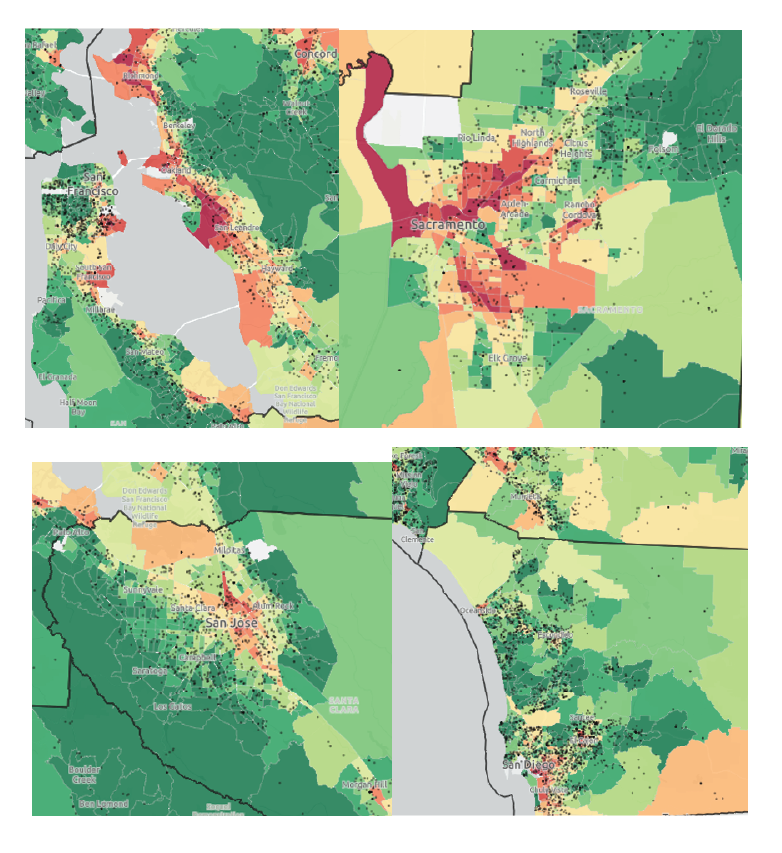
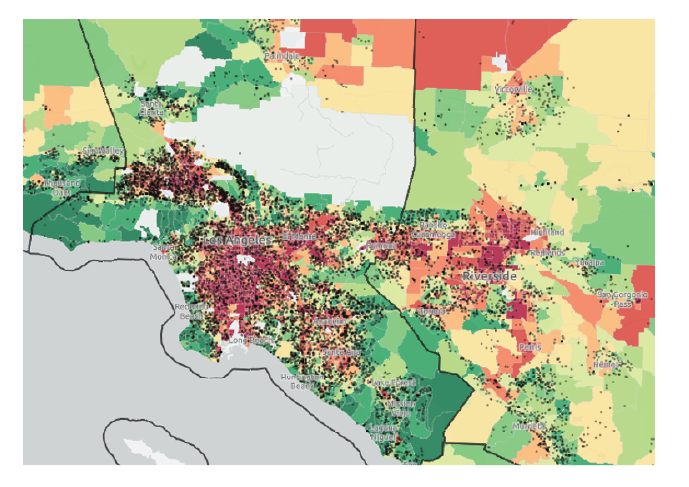
Select metro areas – HVAC
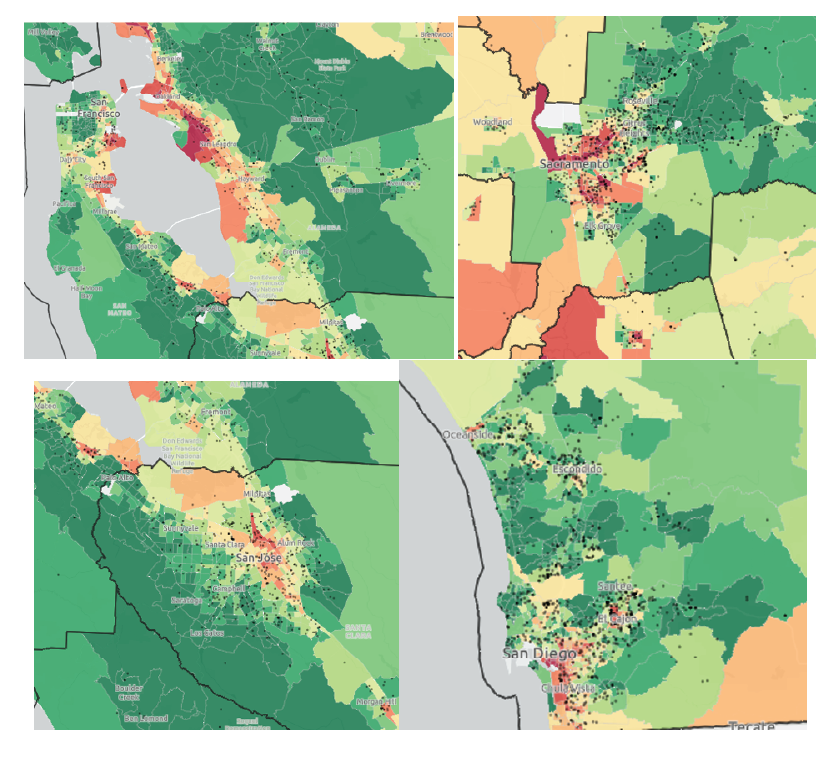
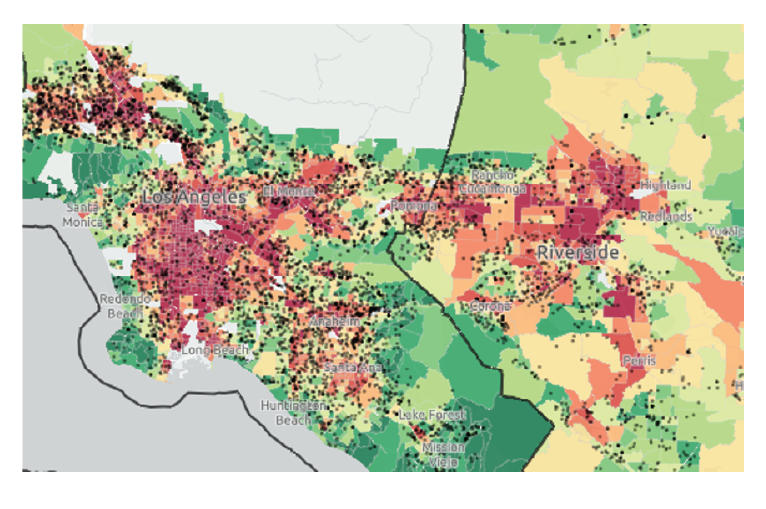
Select metro areas – Plumbing
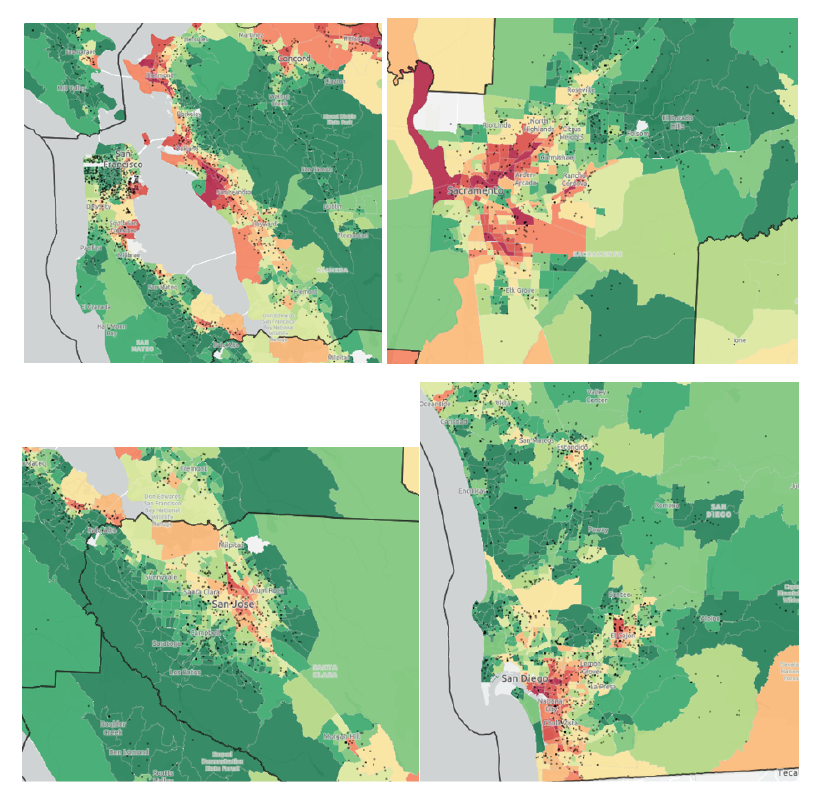
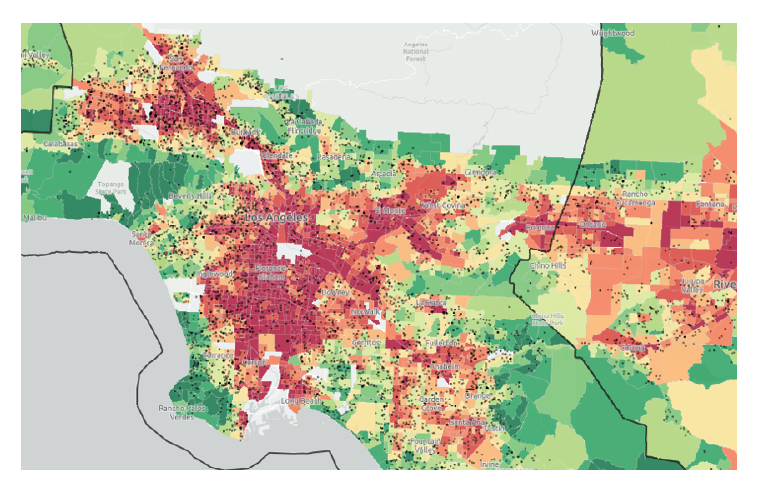
6.4 Summary Tables
The following tables provide regional detail on the data underlying the maps and analysis presented in the report body.
Table 27. Fuel Substitution Workforce by Region in 2023
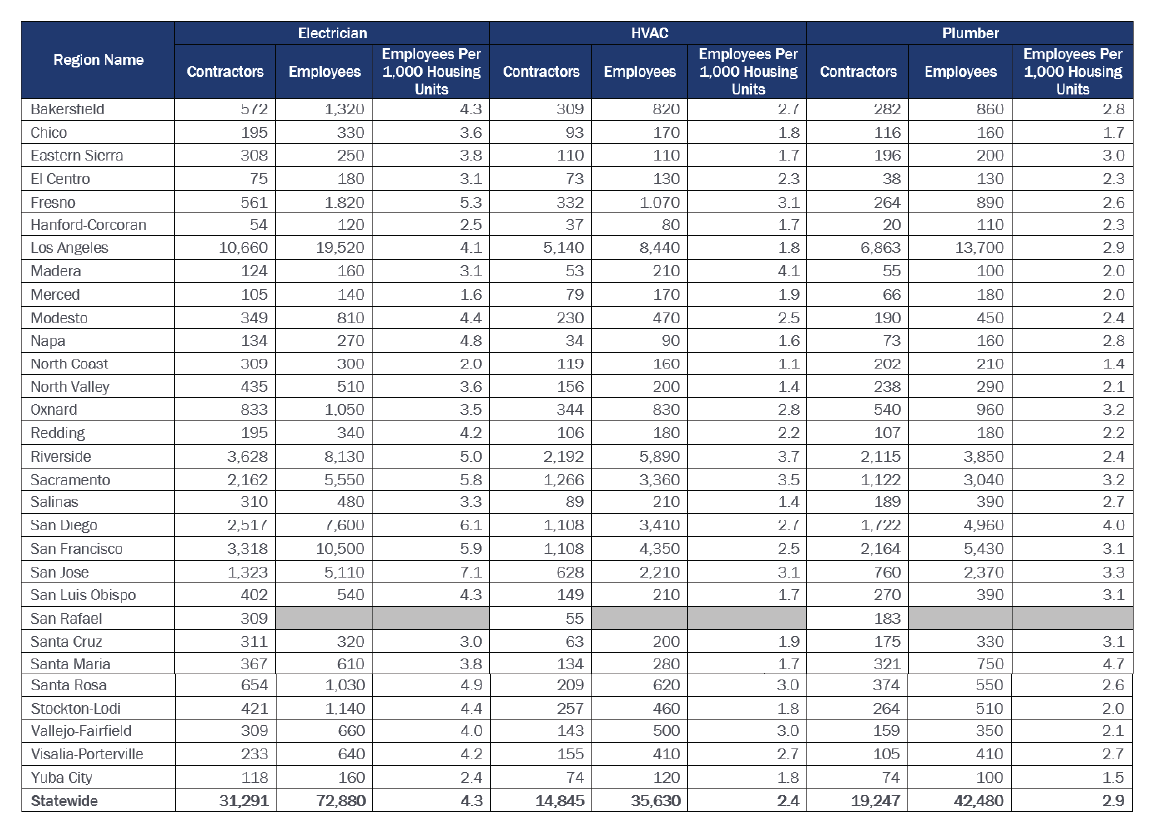
Table 28. Change in Employees by Trade from 2018 to 2023
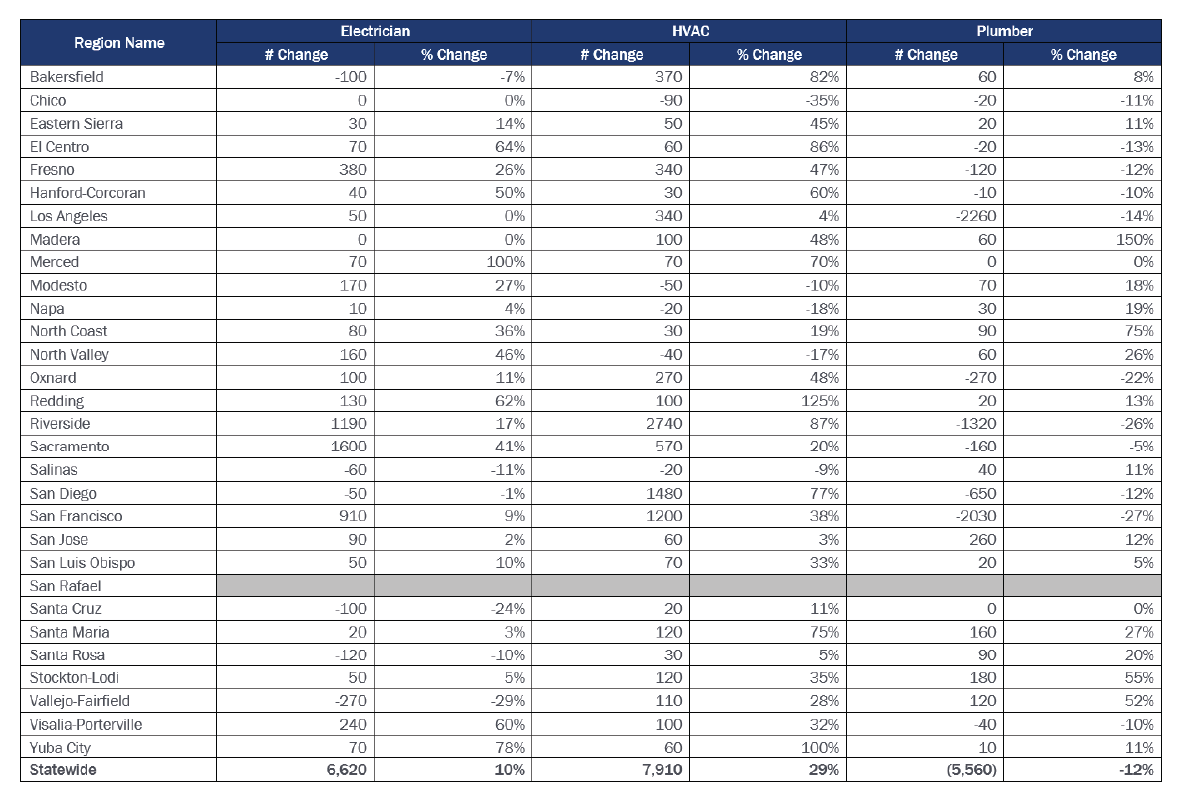
Table 29. Fuel Substitution Demand Drivers
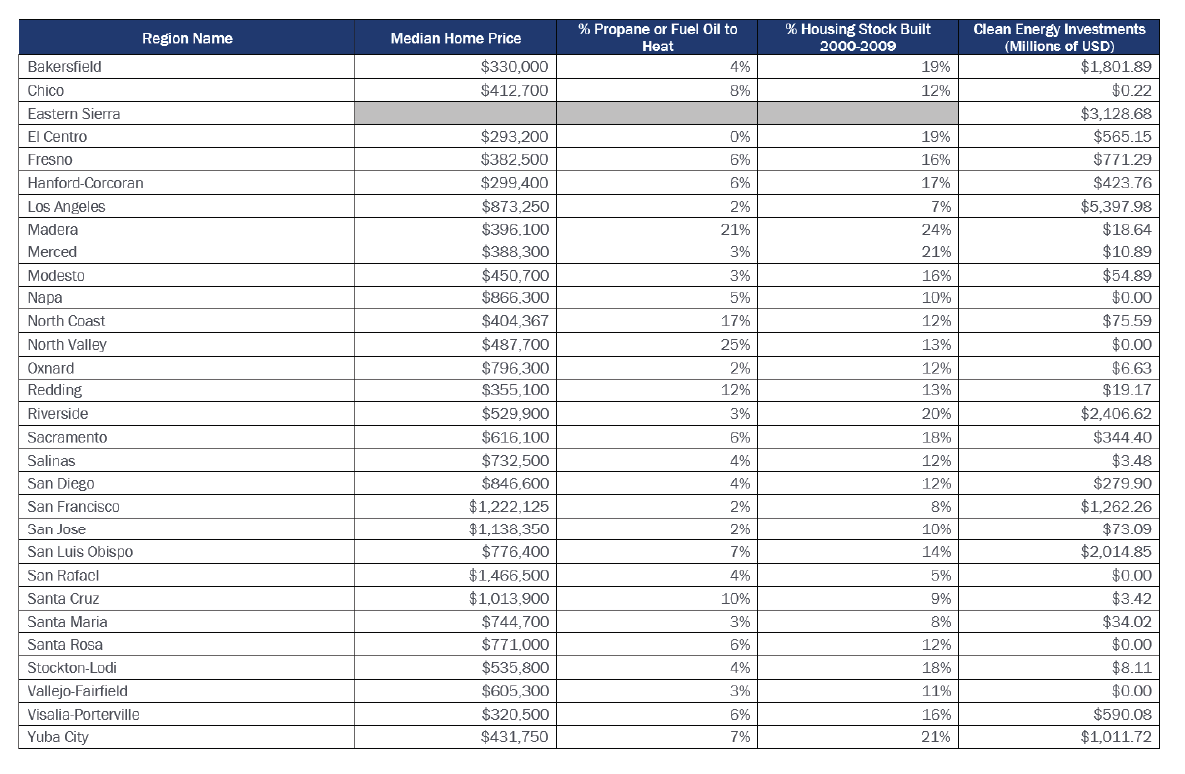
Table 30. Workforce Supports and Enablers
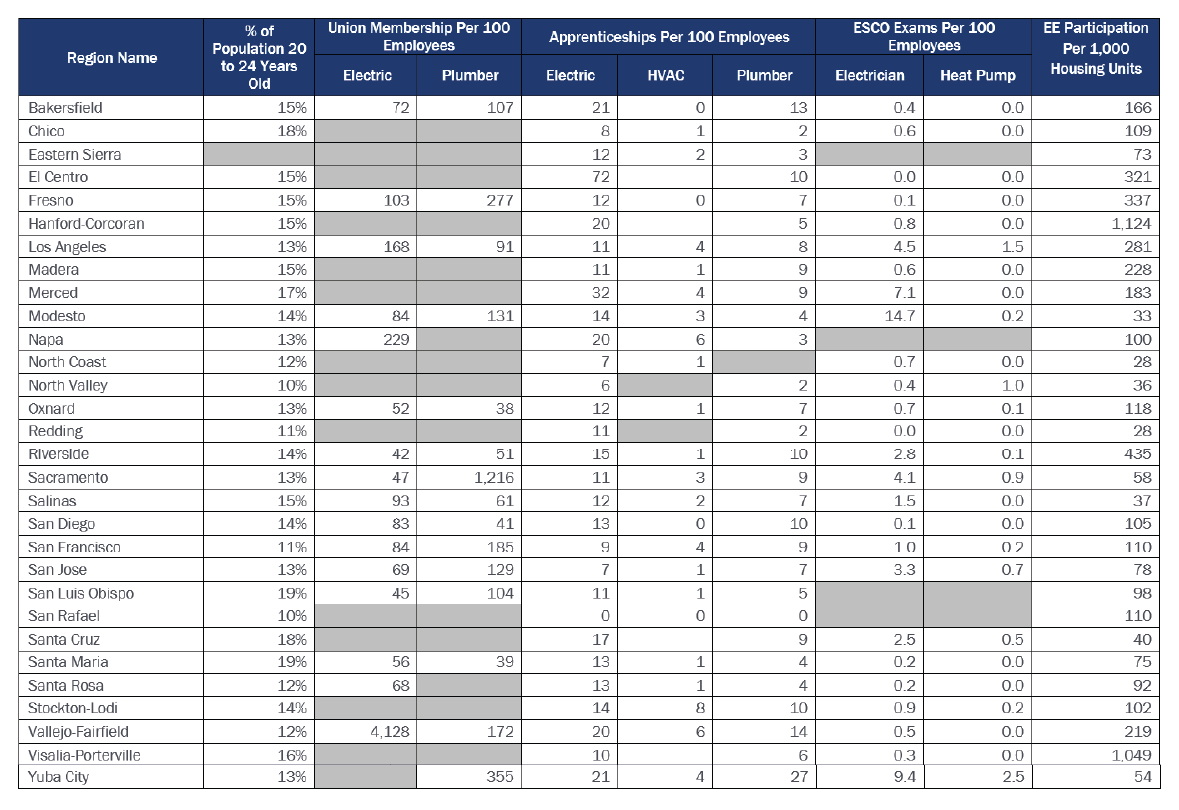
Table 31. Workforce and Fuel Substitution Opportunities
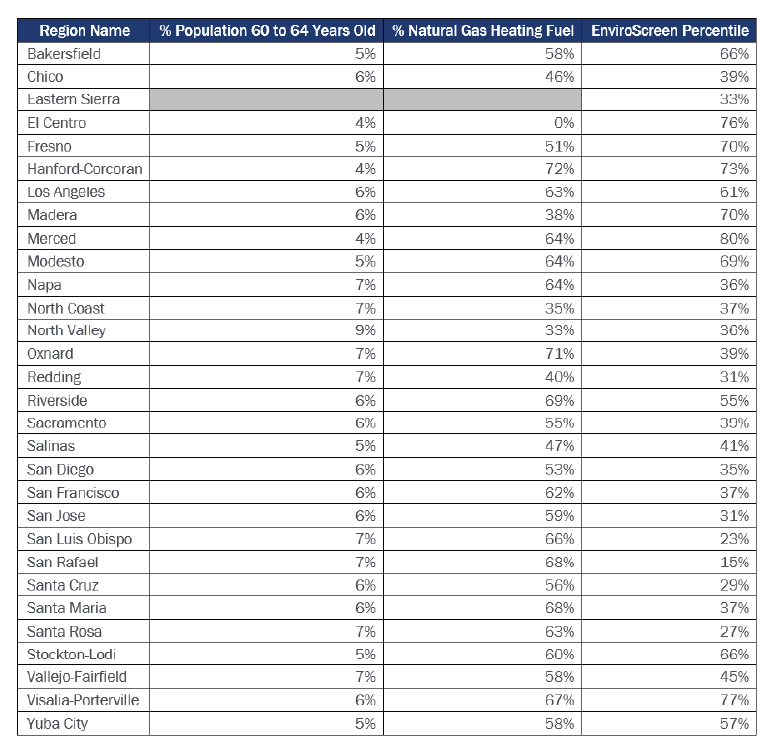
Table 32. Demand Driver, Workforce Supports and Enablers, and Opportunity Scores
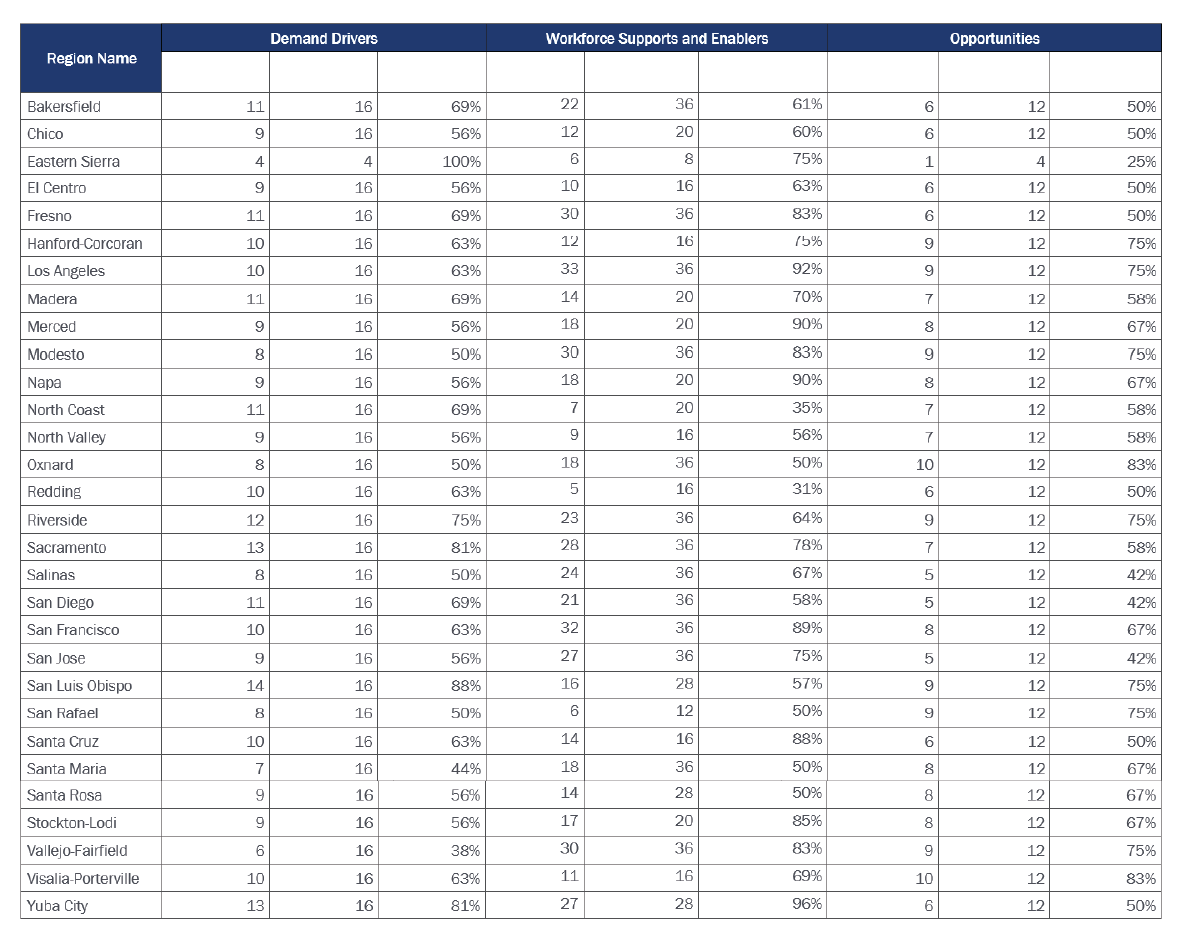
Table 33. Workforce Performance Against 2030 Projections by Trade