

The authentic and inspiring partnerships of the Ameren Illinois Market Development Initiative
Honored Guests Contact Information
Show Links
Showcasing the amazing content featured in this podcast is why we choose to put the links first! To learn more about this program, the initiatives, partners and events mentioned, please follow the links below. Transcript available after the links.
Transcript
Liz Law: Welcome to another podcast with Opinion Dynamics. My name is Liz Law and I am the Managing Editor here at Opinion Dynamics. And here with me today, I have Angie Ostaszewski of Ameren, Illinois, and Paul Douglas from the JPI Group. We’re gonna talk a little bit about the Ameren Illinois Market Development Initiative (MDI). For a little bit of background as a managing editor, I get to read, or at least a cursory glance at all of the innovative programs and projects that our clients are working on across the country. And ever since I first encountered the Market Development Initiative, I found it to be innovative, one of a kind. We’ve been working with Ameren Illinois since the beginning of its energy efficiency programs. And in recent years, one of those programs, part of the Market Development Initiative that we evaluated was the Empower Communities program. This program stood out to me as a way to really begin a connection, a true partnership with local communities instead of starting and focusing on taking existing programs and seeing how we can take the community and make sure that they can get into those programs or access them instead focused on building partnerships and listening to existing community-based organizations that are already providing services to meet those unmet needs.
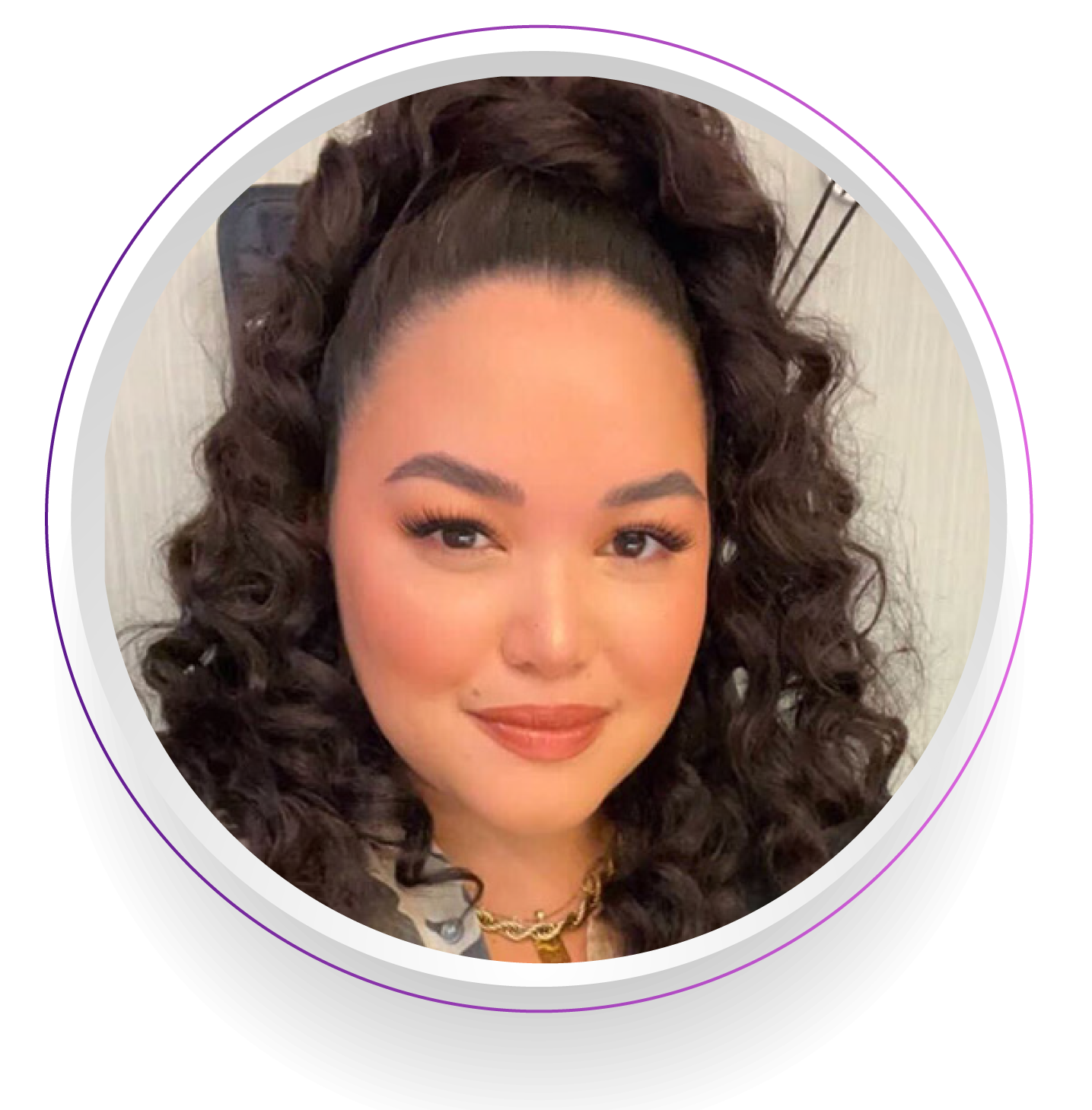
And many ways, the current MDI work, to me, it feels like an extension of the Empowered Communities and some of the other offerings that the Market Development Initiative has had. I’m thrilled to be chatting with both Angie and Paul today. The assessment of the Market Development Initiative is being led by the JPI Group and supported by Opinion Dynamics. For any of our listeners who are not familiar with our guests today, you probably must not have been at a conference in the last two or three years in the energy industry <laugh>. But just to fill you in, Angie is an award-winning energy expert who has been recently promoted to Senior Program Supervisor at Ameren Illinois. She has been recognized by MEEA as an inspiring, efficiency rising star. She’s got the Individual Leadership Award for diversity inclusion from AESP and the Equality Plays in Peoria Leadership Award from Peoria Pride.
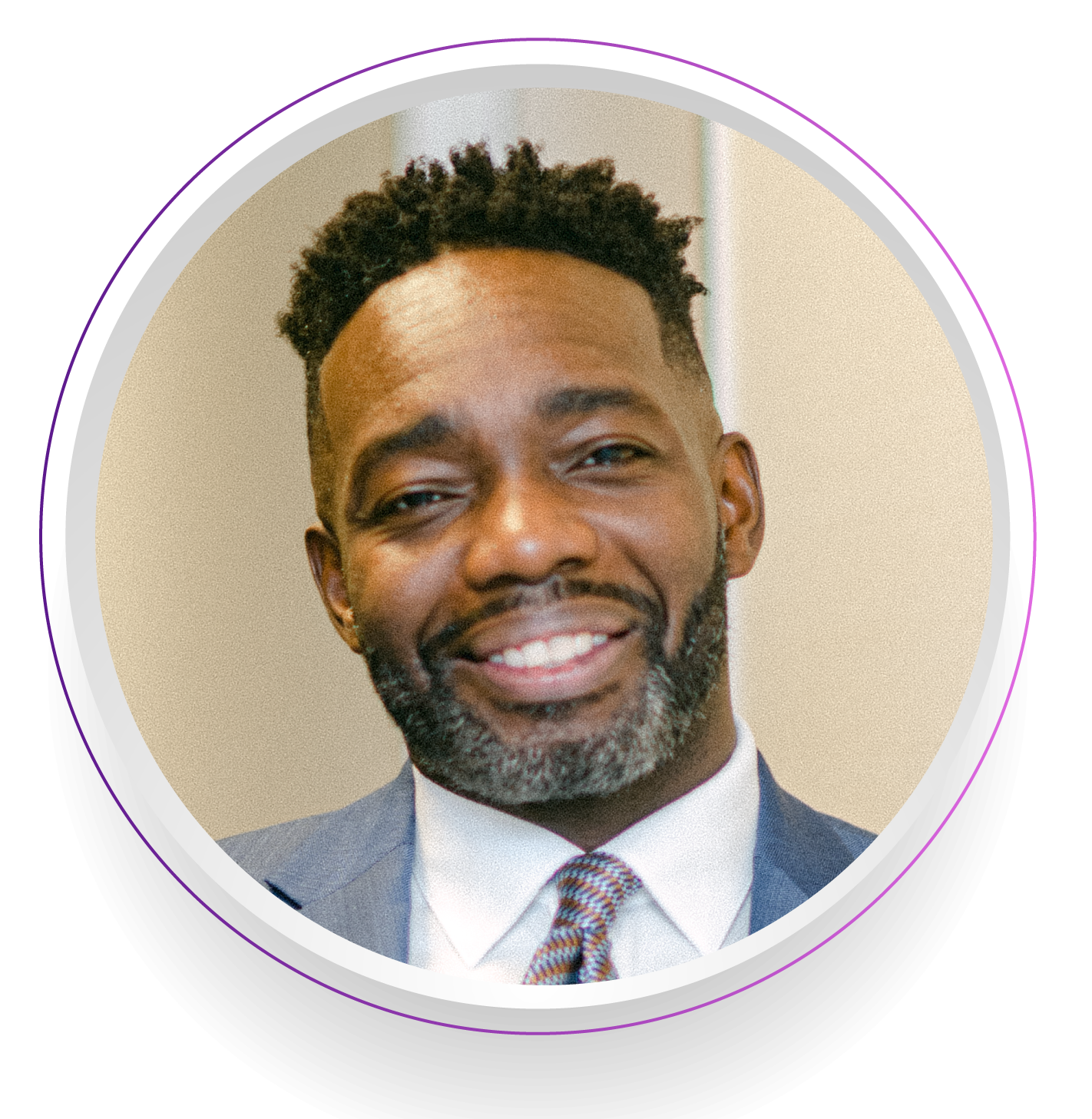
Those are just the things in the last few months. I don’t know that we have time to go through all of those awards for you. <laugh>, welcome Angie. It’s great to have you here. Also, we have Paul Douglas, who is the president of the JPI Group, which he co-founded with his wife Yom Douglas. Paul has been recognized as the Minority Business Advocate of the year, and the JPI Group has been recognized as supplier of the year for the National Minority Supplier Diversity Council. I believe that’s been a few years running that you guys have been winning that award; so fantastic. Looking forward to hearing a little bit more about that. I also wanted to just draw attention to this slightly tangential program that the JPI Group just announced. A partnership with the African-American Chamber of Commerce of New Jersey to launch the Transformation Project, empowering Mercer County individuals impacted by the opioid crisis as an initiative to provide the job placement, mentorship, and ongoing career support. Having lived for a significant time in New Jersey, that is near and dear to my heart, and I’m really excited to hear in the future as that goes forward. Angie, I think we’re gonna start with you. Could you tell me a little bit more about Ameren and about your role there?
Angie: Sure thing. Uh, first of all, I’m so excited to talk to both of you. I feel like a fan who gets to go to the show of like the artist they like. Liz, ever since I met you and we talked about, I think it was how to measure like societal transformation. I just love the way you think. So I’m excited to get into this conversation. So, I’ve been at Ameren, um, as of May this year, seven years. I’ve been in the Energy Efficiency Group since 2018. And 2018 was the year of inception for the Market Development Initiative. The MDI, I’m gonna abbreviate it from now on to the MDI is the first utility program of its kind in the country. I have to always give a shout-out to our Vice President of the Clean Energy Transition. Crystal Sims, she’s really the mastermind of this program.
She created the infrastructure that I now get to run every day, which is my dream job. It’s an amazing opportunity. I’m very thankful as a woman of color, as a queer person, as someone who has both my parents immigrated to the US that I can now help connect people with resources that have been offered to me and given me really a, a different trajectory in my life than I ever thought possible. We have three regulatory goals in the MDI. The first is to engage customers that haven’t previously benefited from energy efficiency resources. The second is to develop or launch businesses within the energy space. And the last is to bring in local and diverse job seekers into this industry. And it’s quite unique because it’s not a workforce development program or an equity program specifically to Ameren or filling Ameren jobs. This is industry-wide within our service territory. And so, for a for-profit organization to be in a space of what can feel like nonprofit work delivering programs with this huge network that we have, it’s really a privilege and a joy to see how it’s evolved over time and exactly why I can’t wait for us to complete our assessment and push ourselves, even more, to do better.
LL: You mentioned, you know, the service territory for folks not familiar, Amerin Illinois serves more than 1.2 million electric and over 800,000 natural gas customers. Your service territory includes something like 75% of Illinois. If that sounds about right?
AO: It’s 44,000 square miles. It’s a mix of urban and rural. It is spread out, and that means I put a lot of miles on my car.
LL: <laugh> <laugh>. Fantastic. Thank you so much Angie. Paul, I think I’d like to turn the mic over to you a little bit. If you can tell me a little bit more about the JPI Group, what it is that you guys normally do and work here; looking forward to the Market Development Initiative.
Paul Douglas: Uh, thanks Liz and I, I feel the feeling is mutual. I’m excited to be with this group today. Both Angie and Liz, both organizations have played a big part in just overall social transformation in this industry over the past couple years. So Paul Douglas, uh, as Liz mentioned, uh, the co-founder of the JPI Group, as my lovely wife Yom Douglas. I always share a very quick story to share why this is critical and important for me. I’m from Baltimore City. In my freshman year at Temple University, I was given the opportunity to be part of a program called Inroads. Inroads was a workforce development program that was focused on helping African Americans and Hispanics and other, uh, people of color to get jobs in corporate America. Right? That one little program, which at 17 I probably just joined, and I was excited to be part of a group, ended up with a really good mentor who was the, uh, CFO of that company.
And that small program is the main reason why I have this opportunity to be here with you guys today. Right. So fast forward; that was my workforce development experience. Fast forward to 2008, I’ve been with the company for maybe 11 years. Um, 10, 11 years. I transitioned to an MBE company, which at that point was probably around 7-8 million in revenue. I had a chance to report directly to the CEO. And that individual had a really, he had a really strong passion around growing diverse companies. Grew to almost 400 million right? In seven years.
LL: Wow.
PD: So that was my experience working with an MBE. But most importantly, I saw the impact that he had, not only on the DEI initiatives, not only on supply diversity, not only on the community. So those two experiences, when I decided to go off, my wife went off and we started JPI, we always said, whatever we do, it has to include supply diversity, it has to include DEI and it has to include workforce development.
‘Cause that’s what got us to where we are today. And ironically, when you talk about the MDI program, that’s what drew me to that program. Um, the JPI Group as a whole focuses on, uh, providing workforce development, consultation, assessment, implementation across the industry as we’ll talk about throughout this podcast. We’ve had the opportunity to start from scratch in this space and grow to the size we’re today. So, a lot of lessons learned, right? A lot of burn marks as I call it. But I’ve learned over time that if we can slow down and pass that information over to others, that’s the biggest benefit. So excited to be here today and I look forward to this conversation.
LL: Thanks. I appreciate, you know, the tying into those three core pieces of work that you want to have at the JPI Group and how that works into how that really drew you towards the MDI group. We’ve all talked a little bit about how the market development initiative is, is unique and it really stands apart among the other programs and offerings that AM and Illinois has. What are some of the key pieces of the MDI that make it unique in the industry? Because it really feels like it is at the cutting edge and the innovation of some of these programs. Dunno if, um, that’s better for maybe Angie to start, or Paul, if you wanna jump in a few things, that’d be great too.
AO: I can kick us off.
DL: Yep.
AO: Um, so I think, again, it has really been attending conferences and networking with other utilities and other companies delivering equity programs. That has enlightened me as to what was unique because, you know, I was in a position that kind of my first exposure to energy efficiency and equity programming was the MDI. And as time has gone on, I, I’ve seen a couple of things that have made me appreciate, again, how Crystal conceptualized this program and the flexibility we have to adapt it. The first thing is, you know, when you’re looking at, you know, we’re doing this assessment with JPI, traditionally, when you’re assessing or evaluating an energy efficiency program, you’re looking at cost-effectiveness. This is not an initiative with any direct energy savings and it is not held to those same cost-effectiveness kind of lens that a traditional program would be.
Instead, we’re looking at measurements of, you know, how many customers are we engaging, how are we treating our community partners? And sometimes that’s really hard to put into something measurable and numeric, but it has been so important to have that attitude of we have a vision in our mind, but that vision has to always be willing to change and adapt based on the feedback from the folks we’re trying to serve. And so I thrive in the gray and so it’s been wonderful to be able to run this program that every day we’re kind of listening to different folks and seeing what can we tweak, what can we do differently? Where are we not providing enough support? Because this really is a response to the lack of historical participation by marginalized communities in energy efficiency programs. So, it’s very flexible and it also supports all of the other offerings.
So it’s, it’s not quite marketing, it’s not quite community outreach. It really is strategic programs meant to increase or further these three goals, but within that we have the ability to make that anything that makes sense. And so that can be a workforce program. We just recently completed a pilot placing people coming out of Department of Corrections into positions in the field. We have actually funded positions for employers that have been reticent to hire people from different marginalized backgrounds. We do paid partnerships with nonprofits. And unlike traditional funders in the nonprofit space, we want to fund overhead. We’re not saying this has to go direct to clients. We know that nonprofits are resource constrained. And so we wanna help the staff have the ability to do the great work they’re doing, but incorporating energy. And so it really is disruptive in so many ways. And for me, coming from nonprofit work, I always think what would’ve been a huge relief to me when I was in a position of running programs, marketing, and fundraising and building that trust goes such a long way. And the last thing I’ll say about that is one of the deliverables of this program is building trust, which again, can be so hard to boil down. But the benefit of the program for us is repairing that trust with the communities we serve. And that’s through offering financial support, being consistent and following through on our commitments and listening
PD: I’ll, um, the only thing I’ll add to what Angie said is, um, I’ve been in this space for the last 18 years, but also in different industries. And this isn’t a energy problem, right? This is a problem that’s in healthcare; it’s in construction. And I think what, what this program has done, and Andrew just summed it up, is she’s created a collaborative ecosystem, right? And in order for these programs to work, because there are so many stakeholders and so many people who are really, really good intentions, but like you could have intentions in your own company and have disparate groups. We’re talking about separate stakeholders, nonprofits, community partners, private sector, workforce development fund, and agencies. So this program, what really makes it unique is the ability to collaborate amongst all these stakeholders, create data transparency, but most importantly, the impact. So that’s what is pretty unique, and it’s a very difficult thing to do, right? You have to bring the right collaboration, and I’m gonna talk about trust a lot throughout this. You have to ensure that the people trust each other to know that we’re having the right impact, um, and we have the right intentions.
LL: I agree 100% that the, the building trust and the listening to begin with as part of those stages for building trust are so central to those partnerships. I also have a background in nonprofit work. And so, um, a lot of what you’re saying, Angie spoke to me that often the funding is not available for the overhead and the administrative and the people who are doing the work. And the work is getting the funding. And that’s wonderful, but we need the people who are able to do it there as well. As we are talking about, you know, building trust and collaborating and the difficulty of measuring that, like how do you measure trust? Grateful for the folks that we have with backgrounds and qualitative <laugh> research and being able to figure out ways to reliably measure and evaluate those things. I believe there are two key channels of focus for the assessment that we’re doing. And please correct me and jump in if I am wrong on any of that, but I believe it’s the community-based organization’s partner strategies and the diverse vendor procurement program. Could either or both of you speak a little bit to the goals of these different channels and also maybe a little bit more about ideas behind how we’re hoping to evaluate these things or what we can anticipate encountering along the way?
PD: Yeah, I, I can start off by saying, the first thing I wanna say is the partners that Ameren has today are all doing an exceptional job. And I think they’ve all done an exceptional job for the past couple of years. So that’s the most important piece that’s important to, uh, communicate to the audience and also communicate to those partners. The, the biggest thing for us, and I think Angie if I’m not mistaken, this is version 3.0, right? I think.
AO: We’re preparing for MDI 3.0 That’s right.
PD: 3.0. So, um, as we mentioned earlier, these things are very, very difficult. So as much as I think as Ameren and Angie, and the team has accomplished, there’s a long way to go, right. And there’s a lot of opportunity to improve the program. So a couple of the, the key things we plan on doing, one is this feedback, like the stakeholders running the programs right now have so much ideas and insight and things they will like to do. So I think just slowing down and just really listening to all the stakeholders. We’re looking for commonalities and pain points. We’re looking for opportunities to scale. We’re looking for opportunities with technology. We’re looking for just candid feedback on how to build trust. So, there are some qualitative pieces you mentioned and some quantitative data we’re looking for. So the goal is to come back to Ameren in partnership with Opinion Dynamics and say, ‘Hey, here’s some opportunities.’ I think there is some low-hanging fruit here that some small tweaks that create large opportunities and we see some really big opportunities to have a bigger impact on the diverse communities, the CBOs and also the minority firms coming into the, this ecosystem as a whole.
AO: The meat was hard… what Paul said… just kidding. I always have something to add. Uh, so I’ll briefly describe these two channels and kind of our vision for this assessment with JPI and Opinion Dynamics. So we have two channels of our three and Market Development Initiative that we’re looking at right now. The first is our community-based partnerships. And so that is the several organizations that we fund partnerships with. Each of them has an individual scope, each of them has a specific contract memorandum of agreement with those deliverables. And we have worked for years since 2018 to refine that process, make sure the deliverables, for example, are achievable with their client base. Oftentimes in traditional implementation, you’re creating stretch goals every year and trying to push yourselves. This is not that kind of program. It’s how can we optimize the existing reach these community partners have through our partnership.
And so, it’s a different lens on program delivery and making sure that we’re doing that in the right way and in a respectful way. The second is our diverse vendor procurement program. And this channel we are trying to increase our diverse spend, tier one, tier two, and tier three. Even though we only report out the tier one and tier two spend, we’ve realized trying to diversify every level of our spend, our procurement, it has a, a real transformational impact. Even when you know of our approximately 25 implementers, if all of them start using the same diverse caterer for example, that’s transformational for a business. And so that’s a really an approach of leave no stone unturned. We work with everyone of what are your upcoming procurement needs. We vet and recommend diverse vendors, and we also have an internal diverse vendor database, but we know that we’ve created this, and it can only continue to go up.
And the last comment I’ll make on this assessment that I think, again, why I’m so grateful to work with this group is that we are not trying to assess the nonprofit organizations or diverse businesses themselves. And it would be very easy to come to that conclusion of, oh, are they performing well? This is not that kind of assessment. We trust that they are effective in their communities. We know the impact they have. It’s more so how can the utility be a better partner to them? How can we refine the relationships we’ve created and provide additional value and benefit to them, which in turn will only benefit the community. So working with a group like JPI who has that innate empathy and understanding for that has been so just wonderful. And the ease of that work because we are so aligned in the goal.
LL: The themes of, you know, listening and of building trust. They bring to mind part of why I feel like both the JPI Group and Ameren Illinois are so built for this particular type of work that you have both organizations who’ve received award-winning partnerships. And if you go through the JPI Group website, you’ll find that authentic relationships or one of the core values. And I’ve never seen that listed as a, as a core value. You know, we see doing work with integrity, we see some fantastic things, but the idea of relationships at the core of a company, I think is, was new to me. And some of the ways that we see that played out in Ameren, Illinois and the partnerships, your recent partnership with the Peoria Guild of Black Artists. One, when I think about utility partnerships, I don’t immediately think about an artist’s guild. And so I am, as somebody who works in marketing, really excited especially to hear a little bit more about that partnership and any ways in which that has, you know, tied into or learnings that can apply or you’ve already maybe applied towards the MDI as this moves forward.
AO: Heck yeah. I could talk about the Peoria Guild of Black Artists all day or PGOBA. We began working with them in 2020. And I love this partnership ’cause it’s unlike anything we have done because it’s such a unique organization. Many of our initial partnerships with, uh, community action agencies or nonprofits are really about community outreach, taking their customer appointments, and adding in energy efficiency education with a collective of artists. We could really be, I mean, creative, they’re artists and do something totally different, especially because this is a collective of black artists throughout central Illinois. And they formed because they were really not getting asked to do exhibitions outside of Black History Month. And so they wanted to organize, increase their voice and increase their power. And it has been amazing to see how they’ve helped each other to gain more visibility and speak up on the fact that diverse voices don’t only deserve to be honored in like a history month.
And when they came on to work with us, we started with a mural project and it was so much fun, first of all, but again, totally unique. Rather than creating an energy efficiency billboard, we put in permanent murals throughout the central Illinois area. And those murals then served as a connection point to the program. They beautified the neighborhood, the residents loved them, they saw people they knew and who looked like them painting them, and they culminated with a community event. And so we hosted a community event at the mural called ‘Lightning Bulbs.’ I absolutely love it. I’ll give you a link to the video, which shows the murals, but it’s children chasing what looks like lightning bugs. But when you look up close, the bugs are actually little LED bulbs with wings, and it just invokes like hope and joy, and I don’t know, like innocence.
And it’s just beautiful. Uh, it’s designed by Hannah Offut, and that brought people in for this event. We had over 465 people there, even though,
LL: Wow
AO: …it was cold. It was the Midwest; it was a cold, windy day. It was the most attended community event we’ve ever had. We weren’t even giving anything away other than food. It was just people craved being a part of that- that natural energy. And now, this year, we are expanding that partnership to actually work with them to put out a call for artists where they’re finding other black artists throughout the state and showing them how to replicate this partnership. We’re gonna compensate people for submitting designs, and then those that are selected to go into program marketing materials, they’ll get additional prizes. So I love that they’re a group that so innately tries to think of how they can create opportunities for others and just to be along for that ride. I feel like I always say I get to be the hype man or the gap filler, you know, that like made-for-TV commercial of like the thing you put between your seat so the stuff doesn’t fall on the ground. <laugh>,
Yes. Like I’m the gap filler, whatever you need to do your thing, I’m here, but you’re the one doing the thing <laugh>. You know?
LL: Yeah. That’s fantastic. Being able to provide that, that bridge is an amazing service, and I love the buildup. I love the idea that the partnership, the new step for it involves compensating people for submissions. Just there’s so much around, uh, creative work that is difficult to, um, sustain. And I imagine that’s harder as well for artists of color. And so, I’m really excited to hear that that’s continuing forward.
AO: Compensation for ideation and execution. If you’re gonna ask someone to brainstorm 30 concepts, you should pay them for that as well as the final product. And that spans to a lot of work with diverse suppliers.
LL: Absolutely. As, uh, Paul mentioned early in the, in the podcast, this isn’t just about the energy industry. These are principles that can apply to a lot of other industries and partnerships as a whole. And it actually leads me a little bit to, I think I mentioned to you both that I do follow you both on social media, on LinkedIn, and if anybody, uh, any of our listeners don’t, you really should. Recently Paul shared an African proverb on LinkedIn that I feel like really exemplifies the mission of a lot of the MDI group, but of JPI Group overall, ‘if you wanna go fast, go alone. And if you want to go far, go together.’ I would love to hear a little bit, Paul, about how the JPI Group elevates partnerships into authentic relationships and how you are able to bring that core value into the MDI work.
PD: The, uh, the funny story behind that, that proverb, it’s early in my career, uh, Liz I was one of those individuals that wanted to do stuff on my own, right. Because I’m not sure when you, when we were young, and we have a lot of energy and passion, and we think we know everything, we just wanna go, go, go. And my, my old boss, the CEO I mentioned, used to always say this to me, he goes, ‘Paul, you can, you can go alone, right? But imagine if the team went with you.’ And I started to figure that out in my career that while when the team’s with you, it’s less stress, it’s um, it’s more rewarding at the end. And, uh, I took that same concept over to our company, right? So when I tie that back to authenticity, there is a, um, it’s a pyramid we have internally that kind of goes through the, the five core values we have.
And it’s, but it’s tied to why teams are not effective. So, we talk about trust and conflict and commitment and accountability and results. So, if you don’t have trust with your team and you can’t be your true self, it’s already difficult. If you can’t do that within these programs, it’s 10 times as difficult, right. So, the example that Angie just shared about, like Angie’s always her true self, which I think is the core behind why this program is successful. Like everyone can show up and be their true selves, right. And that level of authenticity builds trust. Then when you build trust, Angie and I can disagree because we know that we have trust, right? But you can also hold each other accountable. You can have an impact; you can get to your results. So, the authenticity is key. ’cause I, I, what I’ve seen in this space sometimes is you have a lot of individuals with good intentions, but no trust, and that causes a misalignment. So that’s what, again, piqued my interest for this program. I think that’s what allows this program to do well so that some programs you go into, it’s a cultural thing you have to fix
LL: Mm-hmm. <affirmative>
PD: That’s not the case there, right? It’s more operational; it’s programmatic opportunities for us. And I think that’s what is a unique opportunity, and I think what’s going really well in this program.
LL: Fantastic. I feel like the partnership and the friendship and collegiality that exists, obviously between the two of you is being able to bring that as well to this work. Like what a, what a foundation to start with. What a fantastic foundation to have for this work to build on and that trust.
PD: Um, can I share one other thing, Liz? I think..
LL: Please!
PD: And you already alluded to it, sometimes we forget about the impact we have. Like that’s like the, the reason behind the entire thing. Like there’s so many stories and I’ll, I’ll share a very quick one, when we did a workforce program maybe 18 months ago, two years in Jersey, we trained someone up, and I, I didn’t know the individual, but one of other folks on my team say, ‘Paul, there’s someone that we trained up, he got a job, he was able to buy a house,’ and we saw that person. I was at a BPA conference right in Seattle, right. And someone came running up to me, grabbed me and says, you work with JPI? And I say, ‘yes.’ He goes, ‘you’ll have no idea what the program that we were part of in New Jersey. I now not only bought a house, my kids now go to a different school.’
And I think sometimes we don’t realize when your kids go to a different school, you’re starting to impact legacy at that point. ’cause different schools mean they go to college means they get a different job. So that’s the real reason. I know even talking about it kind of gives me the chills when I bring it up because I know that’s the true goal behind this is you’re changing lives. And I think sometimes Angie may not be as close. She may not see it all the time, but um, and I may not say it all the time, but I know that’s what drives us day in and day out. So that’s a core for this entire thing. And I think, ah, I know we’ll probably get to it at some point, but I know that’s what keeps me going and that’s what’s exciting about this project as well.
LL: I love that. I love how, you know, that pulls, when Angie was talking about the Diversified buyer spend and you know, doing that equitably and that how everybody, um, all the vendors working with a single caterer can be transformative for a business. And what’s transformative for a business is transformative for the people who work in that business. It’s transformative as well to their families and to their communities. And it really, um, what a wonderful way to pull that all together, <laugh>, um, and, and, and show how that trickles through. Yeah, go ahead Angie.
AO: Well, I just wanted to amend my, what Paul said to what Paul and Liz said now, ’cause <laugh> both of you wholeheartedly. And one of the reasons I was so excited for this conversation is because both of you are so authentic. And I don’t know if you relate to this, but I feel a responsibility now that I have job security and that I have a voice in this space to push myself to be authentic because I represent so many identities, and I know that it will encourage others that they can fit in. Because we all know this is a very conservative industry. It’s, it’s actively transforming, but I still am constantly in spaces where no one looks or sounds like me, or I feel a pressure to sort of corporatize the way I speak when I know that’s not what resonates with the folks I serve. And so, both of you inspire me so much.
PD: Thank you. I have countless ways I could count on inspiration. Angie, starting with your first time I saw you and you had a, I think it was a bright pink suit. This was my first industry conference and, you know, hyper-aware. What am I wearing? How am I presenting myself as the company? I’m not a consultant. I work in, in marketing and you know, what’s my space here? And you can just show up and be you. And it just shining, shining star the, um, Inspiring Rising Star Leadership award. Just nail on the head. They definitely got it right with that one. I think so thank you.
AO: That was my Elle Woods. Paul, you should get a matching one for our panel.
PD: I, we all three of us! <laugh>, <laugh>.
LL: Uh, speaking of panels, if some of our listeners are not following you as closely on social media, again, they should really amend that on LinkedIn. Both Paul and Angie and both of their companies are on and active. We will provide some links down in the, with the transcripts and the meeting notes on the podcast, but we do have a couple of upcoming speaking engagements so if you would like to catch Angie and Paul in the wild. Angie and Paul will be on a panel together at AESP SummerCon, which is happening August 22nd through the 24th. Can you tell me a little bit about that panel?
AO: Take it away, Paul, and then I’ll just be like, <laugh>, yeah…
LL: What Paul said.
PD: I think the, uh, the, the panel will be focused on just how do we, as we all know, there’s a massive skill shortage in the electrification all across the industry. So we’re gonna talk about some of the best practices within the MDI program, some of the best practices within data analytics and research, and how we can solve that problem long term.
LL: Fantastic. Uh, jumping from August to September, Angie is gonna be at eSource, uh, September 19th through the 22nd. Angie, can you tell me a little bit about what you’re talking about there?
AO: Yeah. Uh, another one of my roles at Ameren has been with designing and launching our innovation strategy. And it’s been wonderful to do that because a big part of that strategy is incorporation of the Market Development Initiative goals and that we look at innovation as, uh, crossing both technology and equity. And, uh, I’m excited to talk about that. I think it’ll be our first public presentation on that strategy as it’s launched. And, of course, because there’s several pilots running, we’re also being very intentional with our supplier diversity team on bringing in diverse vendors for each of those scopes.
LL: And I think the October will round up the ones that I wanna talk about, uh, for upcoming things. The, uh, Paul is gonna be at the National Minority Supplier Development Council Conference in Baltimore, October 22nd through the 25th. And Paul, can you tell me a little bit about what you’re gonna be talking about there?
PD: Sure. I, I’ll, I’ll give a, a 30-second commercial for this organization because I, I think there is, in this industry, there’s always a really big need for diverse vendors. And for those of you who do not know, this is an organization with thousands of certified vendors across the entire country. So, we have an event in Baltimore as, um, as Liz mentioned, on the 22nd through the 25th. I’ll be speaking on how the recent, not the recent passing, but I, IJA and IRA, those are maybe two of the biggest opportunities for minority companies, maybe in history, to scale and grow. But sadly, I think there’s just a lack of awareness, a lack of resources, and we wanna make sure we, we provide that awareness. I’m also publicly asking Angie to come and speak there. So, this is my request, so she can’t say no because it’s on the podcast <laugh>,
LL: It went to publication. We can’t say no <laugh>. People will be clamoring where is Angie <laugh>.
PD: But seriously, I think, um, to have someone like Angie or the MDI programs, you need those programs to bring those firms in because we struggled heavily. We didn’t have this program. We really, really struggled in engaging and learning the industry. Um, so having a program and an infrastructure is key, especially when things are moving so fast. So, I’m excited to, to have that conversation and have, hopefully have an impact and helping more MBs get into the space and also more MBs potentially provide feedback that can help us on this project as well.
LL: Fantastic.
AO: And if I can soapbox a little bit about Paul for a second, I feel like he just said something that is one of the reasons I value him and his team so much is I feel like there’s kind of two paths you can go when you have endured an immense amount of struggle. You can either take what you learned and try to reduce those barriers for other people, or you can expect others to struggle as you did in order to earn their place. And to be surrounded by folks like Paul who wanna take, I encountered this adversity, I want others to have an easier time. I, I want others to access this funding. I wanna make this less complicated. That’s, it’s just beautiful. That’s not something you can train someone to do. That’s an innate part of being determined to retain humanity in a, in a business environment. And so, I just wanna commend you for that.
PD: Thank you, Angie. I really appreciate it.
LL: Before we go, I want to mention if folks want to stay up to date on the Market Development Initiative or learn more about it, you can go to the following website: amerenillinoissavings.com/mdi. We will also have a link down in the podcast notes to that. And I have really, really enjoyed and appreciated your time and energy. I am looking forward to reading all of the reports as they come through. Thank you. Thank you so much both for your time. Really appreciate it.
PD: Liz thank you and Opinion Dynamics for providing this podcast and support. Appreciate it.
AO: What Paul said.
End music.